

Principle of Dust Pneumatic Conveying Equipment
Understanding the working principle of dust pneumatic conveying equipment is crucial for optimizing material handling processes in various industrial applications. This equipment efficiently transports bulk materials like powders and granules through a pipeline system using air as the conveying medium. The core mechanism involves creating a pressure differential to move the material, ensuring reliable and efficient material transfer.
Key Components and Their Functions
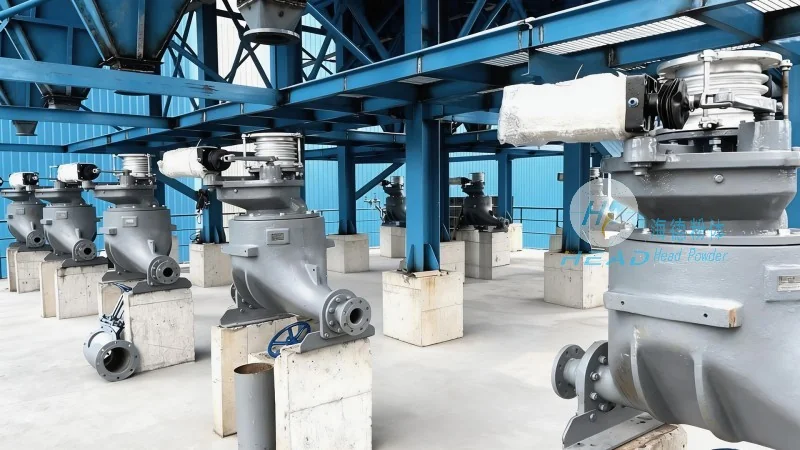
The dust pneumatic conveying system is composed of several critical components that collaborate to ensure efficient material transport. The hopper, typically made of stainless steel or other corrosion-resistant materials, serves as the primary storage vessel for the bulk material. It is equipped with a feeding mechanism, such as a rotary valve or a screw feeder, which controls the flow rate of the material into the system. The air compressor or blower is the heart of the system, responsible for generating the necessary air pressure to move the material. This component can be a positive displacement blower or a centrifugal fan, depending on the system's requirements. The pipeline network consists of rigid or flexible pipes, connected using appropriate fittings and valves, to form the path for material and air flow. Control valves, including pressure regulators and flow meters, are integrated into the system to monitor and adjust the pressure and flow rates, ensuring optimal performance. Each component is designed to work in harmony, minimizing energy consumption and maximizing material throughput.
Working Principle of Pneumatic Conveying
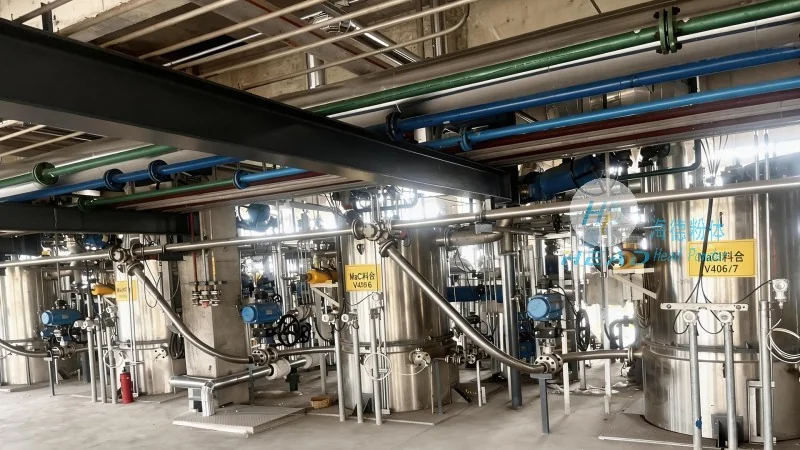
The working principle of dust pneumatic conveying relies on the creation of a pressure differential to suspend and transport particulate materials. In pressure systems, a positive pressure is maintained throughout the pipeline, with the air compressor supplying compressed air to push the material from the source to the destination. The material is introduced into the pipeline through the hopper and feeding mechanism, where it is mixed with the air stream. The air velocity is sufficient to lift the particles, allowing them to be carried along the pipeline. In vacuum systems, a vacuum pump creates a low-pressure environment at the receiving end, drawing the material from the source through the pipeline. The material is then deposited at the destination, where the pressure is higher than the vacuum. Both systems utilize the principle of fluidization, where the material particles are suspended in the air stream, enabling smooth transport. The choice between pressure and vacuum systems depends on factors such as the distance, material properties, and system layout.
Advantages of Pneumatic Conveying Systems
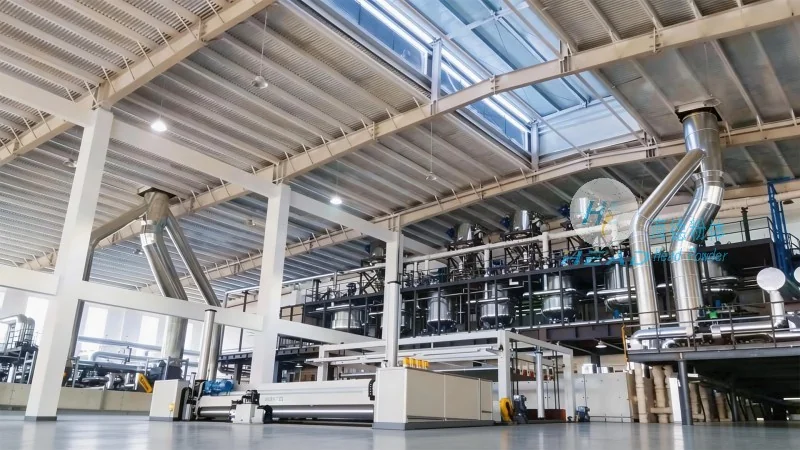
Compared to traditional mechanical conveying methods like belt conveyors or screw conveyors, dust pneumatic conveying offers several distinct advantages that enhance operational efficiency and product quality. One of the primary benefits is the ability to handle fine and abrasive materials without causing significant wear on the equipment. The closed-loop operation of the system prevents contamination and maintains product purity, which is critical in industries like pharmaceuticals and food processing. The flexibility of the system allows for horizontal, vertical, or inclined pipe configurations, enabling the equipment to be integrated into existing plant layouts with minimal modifications. This adaptability reduces installation time and costs. Additionally, pneumatic conveying systems are relatively low-maintenance, with fewer moving parts compared to mechanical systems, leading to lower downtime and operational costs. The energy efficiency of the system, especially when using high-efficiency air compressors, further contributes to cost savings and environmental sustainability.
Applications in Industrial Settings
Dust pneumatic conveying equipment is widely adopted across diverse industrial sectors due to its versatility and ability to handle various material types. In the pharmaceutical industry, these systems are used to transport active pharmaceutical ingredients (APIs) and excipients with high precision, ensuring that the materials remain free from contamination and maintain their quality. The equipment's hygienic design, often incorporating stainless steel components and sealed connections, meets the stringent regulatory requirements of the industry. In the food processing sector, headpowder's dust pneumatic conveying systems are utilized to handle dry ingredients like flour, sugar, and spices. The systems are designed to prevent cross-contamination and maintain product freshness, which is essential for consumer safety. The chemical industry benefits from these systems when transporting abrasive and corrosive materials, such as cement, chemicals, and minerals. The equipment's robust construction and corrosion-resistant materials protect the pipeline and components from damage, ensuring long-term performance. In the mining and mineral processing industry, pneumatic conveying is used to transport raw materials from the mine to processing facilities and finished products to storage or shipping points. The high material throughput and flexibility of the system enhance the overall efficiency of the mining operations.
Company Overview: Shandong HeadPowder Engineering Co., Ltd.
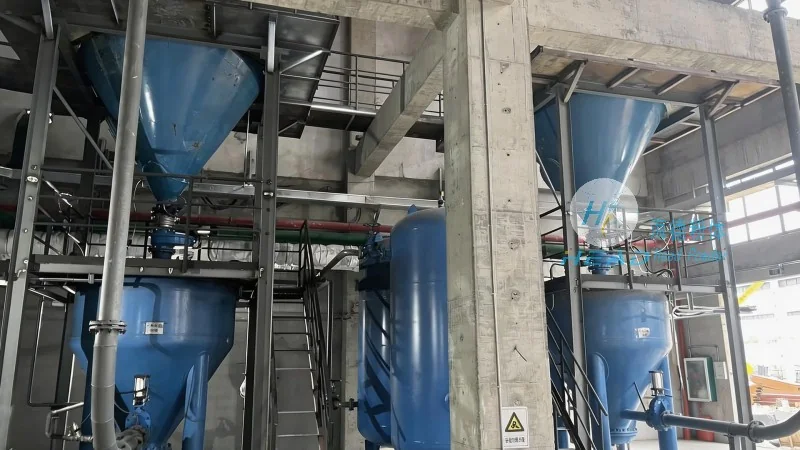
Shandong HeadPowder Engineering Co., Ltd., commonly known as headpowder, is a leading manufacturer and supplier of dust pneumatic conveying equipment. The company was established with a mission to provide innovative and reliable solutions for material handling challenges in various industries. HeadPowder's team of experienced engineers and technicians leverages advanced technology and research to develop cutting-edge products that meet the evolving needs of the market. The company's product line includes a range of pneumatic conveying systems, from small-scale laboratory equipment to large-scale industrial systems, catering to different application requirements. HeadPowder's commitment to quality is evident in its adherence to international standards and rigorous testing protocols. The company's headquarters is located in Shandong, China, where it operates a state-of-the-art manufacturing facility equipped with advanced machinery and quality control systems. The company's products are exported to various countries, establishing its global presence and reputation for excellence in the industry. HeadPowder continues to innovate and expand its product offerings, aiming to become a trusted partner for industries worldwide.