

Principle of Wood Powder Pneumatic Conveying Equipment
Wood powder pneumatic conveying equipment is a specialized system designed to transport wood powder and similar fine particulate materials through a pipeline using air pressure. This technology is widely used in various industries, including woodworking, biomass energy, and chemical processing, where efficient and dust-free material handling is crucial. The core principle involves creating a flow of air that carries the wood powder particles through the conveying line, enabling the material to be moved from one location to another without the need for mechanical components like belts or buckets.
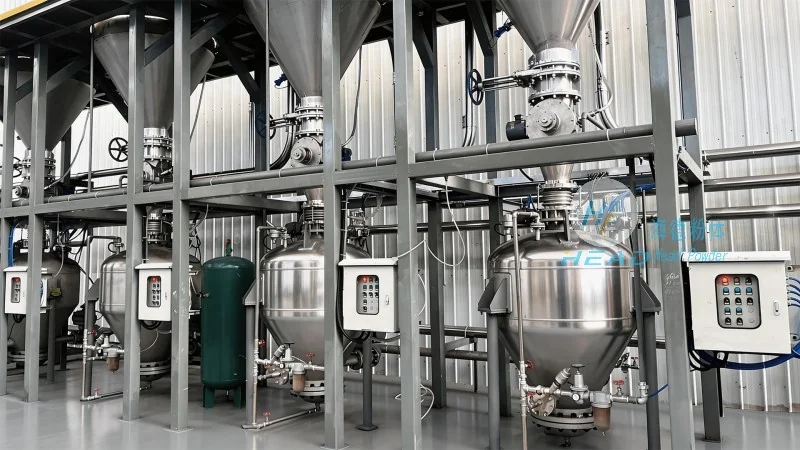
Working Principle of Pneumatic Conveying Systems
The fundamental principle of pneumatic conveying for wood powder is based on the interaction between the material and the air stream. In a typical system, the wood powder is introduced into a hopper or feeder, where it is then drawn into a pipeline by a vacuum or pressure source. The air, either under pressure or suction, creates a flow that lifts and transports the powder. There are two main types of pneumatic conveying systems: pressure and vacuum. Pressure systems use a positive pressure to push the material through the line, while vacuum systems use a negative pressure to pull the material. For wood powder, which is often light and fine, a pressure system is commonly preferred as it provides better control and reduces the risk of material degradation.
Key Components and Their Functions
A wood powder pneumatic conveying system consists of several critical components that work together to ensure efficient operation. The main components include a hopper or feeder for material storage and introduction, a blower or compressor to generate the air flow, a conveying pipeline, and a receiver or discharge point for the material. The hopper is typically equipped with a feeder mechanism, such as a rotary valve or screw feeder, to control the flow rate of the wood powder into the system. The blower or compressor provides the necessary air pressure or vacuum, depending on the system type. The pipeline is usually made of materials like stainless steel or plastic to prevent corrosion and material buildup. The receiver is designed to collect the conveyed wood powder and may include a dust collection system to ensure environmental compliance.
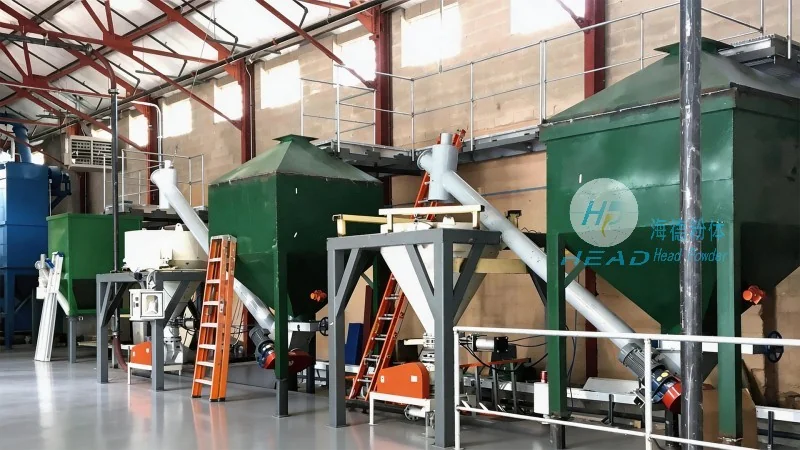
Advantages of Pneumatic Conveying for Wood Powder
Using pneumatic conveying for wood powder offers several advantages over traditional mechanical conveying methods. One of the primary benefits is the ability to transport materials in a dust-free environment, which is essential for maintaining air quality and preventing contamination in downstream processes. Additionally, pneumatic systems can handle fine and abrasive materials without causing wear and tear on components, as the air stream acts as a cushion. The flexibility of pneumatic conveying allows for easy integration into existing production lines, with the ability to change the direction or length of the pipeline as needed. Another advantage is the reduced maintenance requirements compared to mechanical systems, as there are fewer moving parts that can fail or require replacement.
Applications in Industrial Settings
Wood powder pneumatic conveying equipment is widely applied in various industrial applications. In the woodworking industry, it is used to transport sawdust, wood chips, and other fine powders from processing machines to storage or processing units. In biomass energy production, the system is crucial for transporting wood pellets or powder to boilers for energy generation. The equipment is also used in chemical processing facilities where wood-based raw materials are processed into other products. The ability to handle large volumes of material efficiently and safely makes it an ideal solution for these applications.
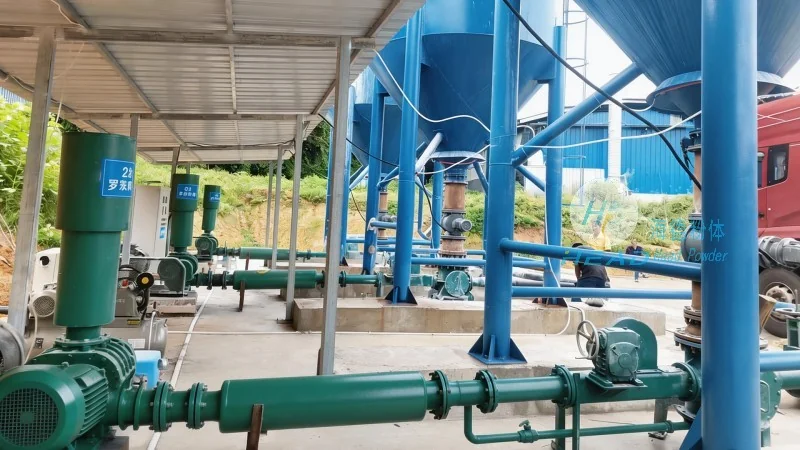
Company Overview: Shandong HeadPowder Engineering Co., Ltd.
Shandong HeadPowder Engineering Co., Ltd., commonly known as headpowder, is a leading manufacturer of wood powder pneumatic conveying equipment. The company specializes in designing and manufacturing customized conveying systems tailored to the specific needs of its clients. With a strong focus on quality and innovation, headpowder has established itself as a trusted partner in the industry, providing reliable and efficient solutions for material handling challenges. The company's headquarters is located in Shandong, China, where it has a dedicated team of engineers and technicians who work to develop cutting-edge technologies for pneumatic conveying systems.
Conclusion
Wood powder pneumatic conveying equipment is a vital technology in modern industrial operations, offering efficient, dust-free, and flexible material handling solutions. By understanding the principles and components of these systems, industries can optimize their processes and improve overall productivity. With the expertise of companies like Shandong HeadPowder Engineering Co., Ltd., the adoption of advanced pneumatic conveying systems has become more accessible, enabling businesses to enhance their operational efficiency and meet the demands of a competitive market.