

Principle of Stone Pneumatic Conveying Equipment
Stone pneumatic conveying equipment represents a sophisticated solution for transporting bulk materials such as gravel, crushed stone, and other granular substances in industrial settings. This technology leverages compressed air to move materials through a closed system, offering advantages in efficiency, flexibility, and safety compared to traditional mechanical conveying methods. Understanding the fundamental principles of stone pneumatic conveying is crucial for optimizing material handling processes, reducing operational costs, and ensuring reliable performance across various applications.
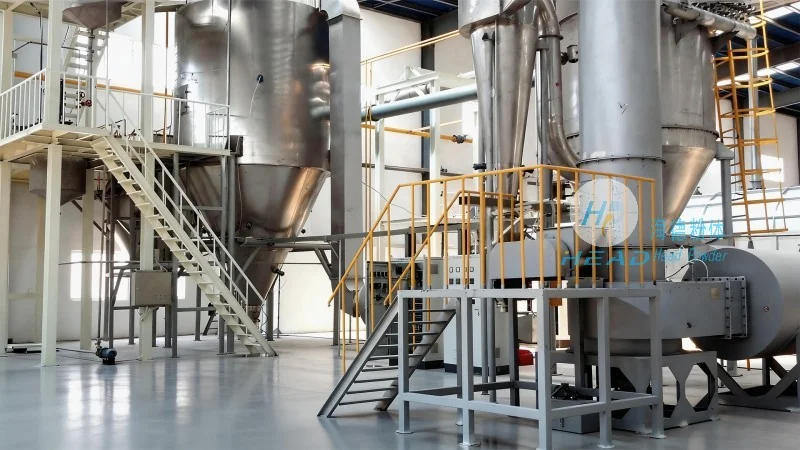
Basic Operational Principles of Pneumatic Conveying Systems
The core mechanism of stone pneumatic conveying involves the use of an air compressor to generate high-pressure air, which then entrains the stone particles into a flowing stream. The process begins with the material being fed into a hopper or feeder, where it is drawn into the conveying line by the moving air. As the air travels through the system, it creates a low-pressure zone that pulls the material along, forming a dense mixture known as a "slurry." The design of the conveying line—including its diameter, length, and the number of bends—directly impacts the system's ability to handle pressure drops and maintain consistent material flow. Properly sized and positioned components, such as airlocks, cyclones, and filters, are essential for controlling the material's movement and preventing system blockages.
Key Components and Their Functions in Stone Pneumatic Conveying
A typical stone pneumatic conveying system comprises several critical components, each playing a vital role in the overall operation. The air compressor serves as the power source, generating the necessary airflow and pressure to move the material. The hopper or feeder provides a controlled supply of stone, ensuring a steady flow into the system. The conveying line, often made of stainless steel or other corrosion-resistant materials, transports the material from the inlet to the discharge point. Airlocks are used to separate the material from the air stream, preventing backflow and maintaining system pressure. Cyclones or filters are employed to separate the stone particles from the air, allowing the air to be recirculated or vented safely. Discharge units, such as silos or chutes, release the material at the desired location.
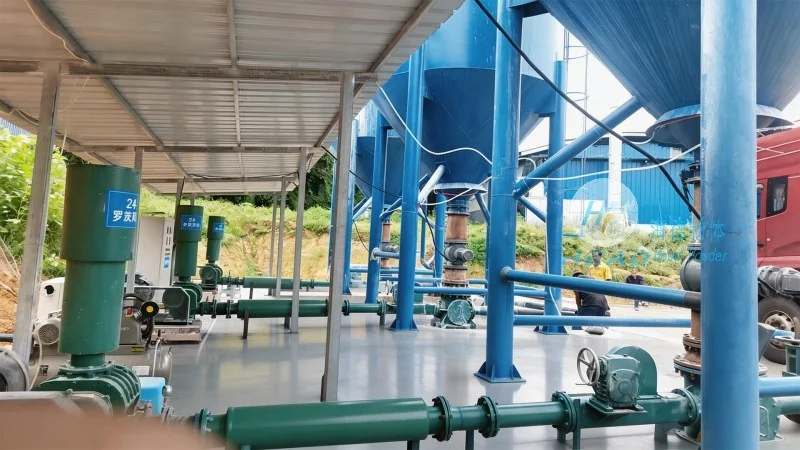
Advantages of Pneumatic Conveying for Stone Transport
Compared to conventional mechanical conveyors like belt or screw conveyors, pneumatic systems offer several distinct benefits when handling stone materials. One of the primary advantages is the ability to transport materials vertically and horizontally over long distances without the need for complex infrastructure or multiple transfer points. This flexibility makes pneumatic conveying ideal for applications where space is limited or where the material needs to be moved between different levels or locations. Additionally, enclosed systems reduce the risk of material contamination and dust exposure, improving workplace safety and environmental compliance. Pneumatic conveying also minimizes the need for manual handling, reducing labor costs and the risk of injuries associated with moving heavy or bulky materials.
HeadPowder's Expertise in Stone Pneumatic Conveying Solutions
Shandong HeadPowder Engineering Co., Ltd. is a leading manufacturer specializing in the design, development, and supply of advanced stone pneumatic conveying equipment. With decades of experience in engineering and material handling, HeadPowder has established itself as a trusted provider of high-quality solutions tailored to the specific needs of its clients. The company's products are engineered to deliver exceptional performance, reliability, and durability, ensuring consistent material flow and minimal downtime. HeadPowder's team of experienced engineers leverages cutting-edge technology and rigorous testing protocols to optimize system efficiency and energy consumption. By integrating features such as adjustable air pressure controls, variable speed conveyors, and intelligent monitoring systems, HeadPowder's equipment provides users with a flexible and adaptable solution for their stone transport challenges.
Customization and Application-Specific Design
Recognizing that different stone materials and operational environments require tailored solutions, HeadPowder offers customized pneumatic conveying systems. The company works closely with clients to assess their specific material characteristics, such as particle size distribution, moisture content, and bulk density, as well as their operational parameters, including distance, elevation changes, and throughput requirements. Based on this analysis, HeadPowder's engineers design systems that optimize airflow, minimize energy consumption, and maximize material handling capacity. Whether for short-distance transport within a factory or long-distance delivery between sites, HeadPowder's solutions are engineered to deliver consistent performance and reliable material flow. The company also provides technical support and maintenance services to ensure that its systems operate at peak efficiency throughout their lifespan.
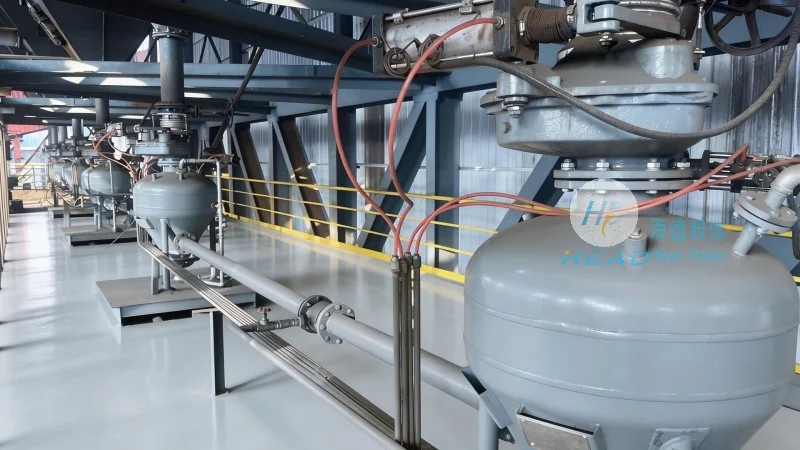
Maintenance and Operational Best Practices
Proper maintenance is essential for ensuring the long-term efficiency and reliability of stone pneumatic conveying equipment. HeadPowder provides comprehensive guidance on routine maintenance tasks, including regular inspection of air compressor components, cleaning of conveying lines to prevent clogging, and replacement of worn parts. The company emphasizes the importance of monitoring system performance through sensors and data logging systems, which can help identify potential issues before they lead to system downtime. By adhering to recommended maintenance schedules and using high-quality replacement parts, users can extend the lifespan of their equipment and maintain optimal operational efficiency. Additionally, proper training of operators on system operation and emergency procedures is crucial for preventing accidents and ensuring smooth operation.
Conclusion: The Role of Pneumatic Conveying in Modern Material Handling
As industries continue to demand more efficient, sustainable, and safe material handling solutions, the role of pneumatic conveying in stone transport is likely to grow. HeadPowder's commitment to innovation, quality, and customer satisfaction positions the company as a trusted partner for businesses seeking reliable and effective stone pneumatic conveying equipment. By leveraging the principles of efficient air-driven transport and advanced engineering, HeadPowder's systems provide a cost-effective and environmentally friendly solution for moving stone materials, supporting the productivity and success of its clients in the competitive global market. The future of stone material handling lies in the continued development and application of advanced pneumatic conveying technologies, and HeadPowder is at the forefront of this evolution.