

Principle of Synthetic Fiber Pneumatic Conveying Equipment
For industries dealing with synthetic fibers, efficient material handling is crucial to maintaining production efficiency and product quality. Synthetic fiber pneumatic conveying equipment offers a reliable solution for transporting these lightweight, often abrasive materials. Understanding the underlying principles of this technology is essential for optimizing system performance and ensuring long-term operational success.
Introduction to Synthetic Fiber Pneumatic Conveying
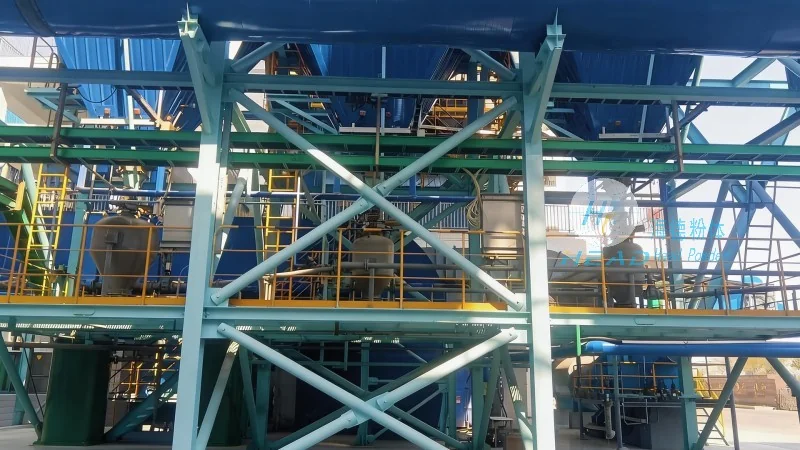
Synthetic fiber pneumatic conveying systems utilize air or gas to transport bulk materials, including synthetic fibers, through a pipeline network. Unlike traditional mechanical conveyors, these systems operate by creating a flow of air that lifts and moves the material particles. The core components of such equipment typically include a material feeder, a conveying line, a separator, and a dust collector. Each component plays a vital role in ensuring the smooth and efficient transport of synthetic fibers from the source to the destination.
Key Components and Their Functions
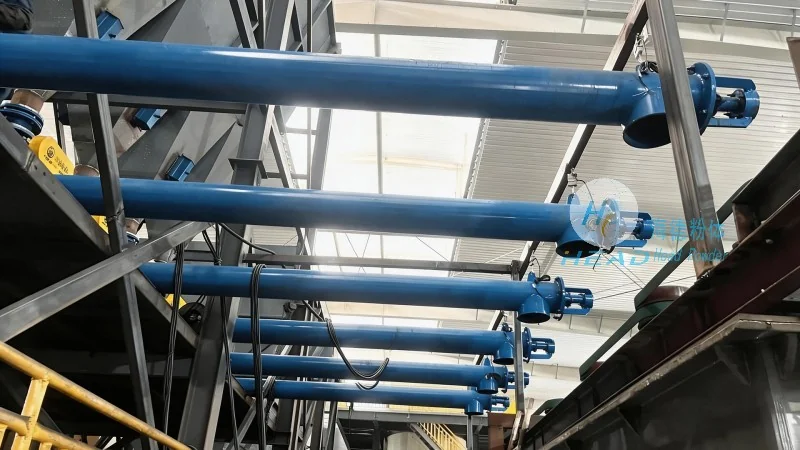
The performance of synthetic fiber pneumatic conveying equipment depends heavily on the proper design and integration of its key components. The material feeder is responsible for feeding the synthetic fibers into the conveying line at a consistent rate. This component must be capable of handling the specific characteristics of the fiber, such as its density, moisture content, and particle size. The conveying line, usually made of stainless steel or other corrosion-resistant materials, is designed to withstand the abrasive nature of synthetic fibers and prevent material buildup. The separator, often a cyclone or a bag filter, separates the fibers from the air stream, ensuring that the material is deposited at the desired location without contamination. Finally, the dust collector captures any residual particles, maintaining air quality and compliance with environmental regulations.
Working Principle of Pneumatic Conveying
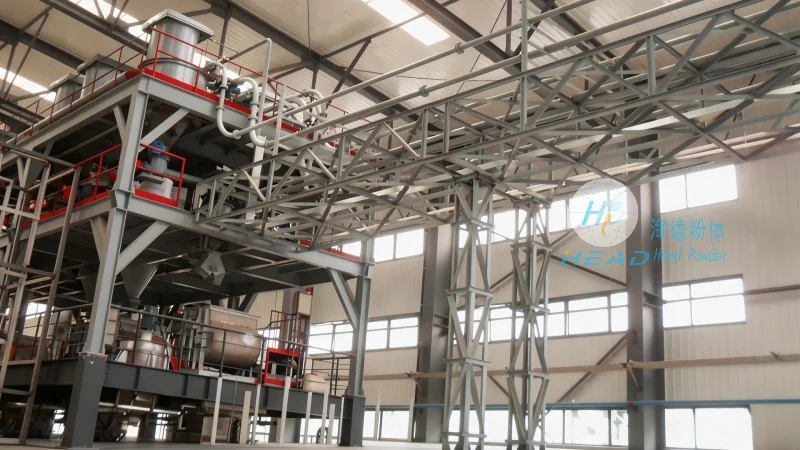
The fundamental principle behind synthetic fiber pneumatic conveying is the creation of a pressure differential within the conveying line. When air is introduced into the system, it generates a flow that lifts the synthetic fibers and propels them through the pipeline. The velocity of the air stream must be sufficient to overcome the gravitational force acting on the fibers and any frictional resistance within the line. The system can operate in either positive pressure or negative pressure modes. In positive pressure systems, air is blown into the conveying line, pushing the material forward. In negative pressure systems, air is drawn out of the line, creating a vacuum that pulls the material. The choice between these modes depends on the specific application and the characteristics of the synthetic fibers being transported.
Advantages of Synthetic Fiber Pneumatic Conveying
Compared to traditional mechanical conveyors, synthetic fiber pneumatic conveying offers several advantages. First, it eliminates the need for moving parts in the conveying line, reducing maintenance requirements and increasing system reliability. Second, it allows for the transport of materials over long distances without the need for intermediate transfer points. Third, the system can handle a wide range of synthetic fibers, including those with varying particle sizes and moisture contents. Additionally, pneumatic conveying systems are more flexible and can be easily modified to accommodate changes in production requirements. These advantages make synthetic fiber pneumatic conveying an attractive option for many industries.
Applications in Different Industries
Synthetic fiber pneumatic conveying equipment is widely used in various industries that process synthetic fibers. In the textile industry, these systems are used to transport raw fibers from storage to processing machines. In the chemical industry, they are employed to move synthetic fibers used in filtration and insulation applications. The food and beverage industry also utilizes pneumatic conveying for transporting synthetic fibers used in packaging materials. Each application requires a customized system design to meet the specific needs of the industry and the material being transported.
Maintenance and Operational Considerations
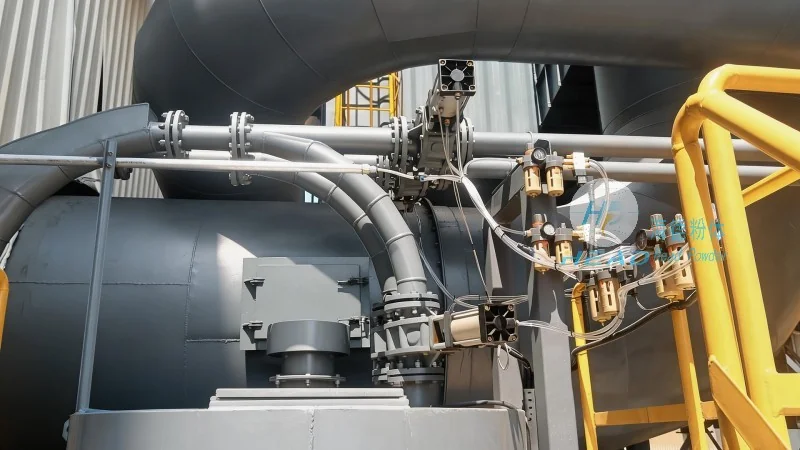
Proper maintenance is essential to ensure the long-term performance and reliability of synthetic fiber pneumatic conveying equipment. Regular inspection of the conveying line and components is necessary to detect any signs of wear or damage. The material feeder and separator should be cleaned regularly to prevent material buildup and ensure efficient operation. The air compressor and filter system must be maintained to ensure a consistent air supply and prevent contamination. Operational considerations also include monitoring the system's pressure and flow rates to ensure optimal performance. By following these maintenance and operational guidelines, users can maximize the lifespan of their equipment and minimize downtime.
Conclusion
Synthetic fiber pneumatic conveying equipment is a critical component in the efficient handling of synthetic fibers. Understanding the principles and components of this technology is essential for optimizing system performance and ensuring operational success. With proper design, maintenance, and operation, these systems can provide reliable and efficient material transport for a wide range of applications. As industries continue to evolve, the demand for advanced material handling solutions will only increase, making synthetic fiber pneumatic conveying an important technology for the future.