

What is In-Furnace Calcium Injection? Understanding Its Design Principles
In-Furnace Calcium Injection is a critical technology used in modern industrial furnaces, particularly in power plants and other facilities that burn coal or other fossil fuels. This process involves the introduction of calcium-based reagents, typically in the form of calcium oxide (CaO) or calcium carbonate (CaCO₃), directly into the combustion chamber or flue gas stream. The primary objective of this technique is to control and mitigate the formation of acid gases, such as sulfur dioxide (SO₂) and nitrogen oxides (NOₓ), which are major contributors to air pollution and environmental degradation. By injecting calcium compounds, the system facilitates the chemical reaction with these acidic gases, forming solid byproducts that can be captured and removed from the exhaust stream, thereby improving overall emissions control and compliance with environmental regulations. This technology is provided by Shandong HeadPowder Engineering Co., Ltd., a leading manufacturer based in China, specializing in advanced emission control solutions.
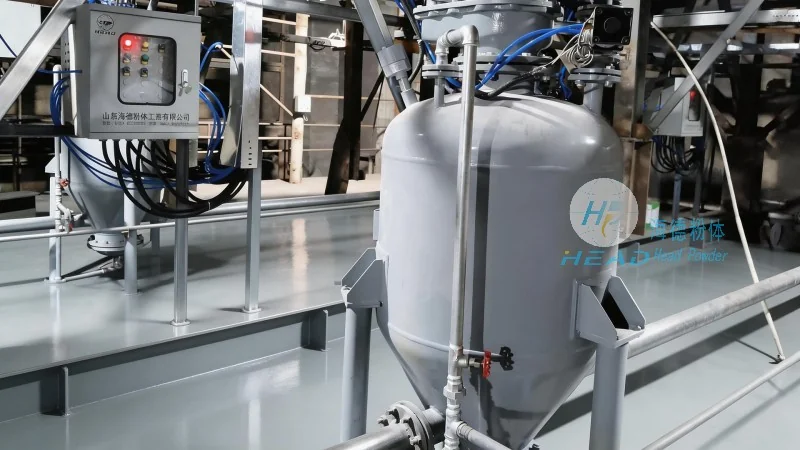
Understanding the Core Design Principles of In-Furnace Calcium Injection
The design of an in-furnace calcium injection system is based on several key principles that ensure effective and efficient operation. First, the system must be capable of accurately delivering the required amount of calcium reagent to the combustion zone at the appropriate temperature and pressure conditions. This involves precise control of the injection rate, which is typically adjusted based on real-time measurements of flue gas composition and temperature. The injection point is strategically located to maximize contact between the calcium reagent and the acidic gases, often near the furnace exit or in the upper part of the flue gas stream where the temperature is still high enough to promote rapid chemical reactions.
Second, the system must consider the physical and chemical properties of the calcium reagent and the flue gas environment. Calcium oxide, for example, reacts with water vapor in the flue gas to form calcium hydroxide (Ca(OH)₂), which then reacts with sulfur dioxide to form calcium sulfate (CaSO₄), commonly known as gypsum. This reaction is exothermic and requires sufficient residence time and temperature to complete effectively. The design must account for the heat release and the potential for sintering or agglomeration of the reaction products, which could affect the performance of downstream particulate control equipment.
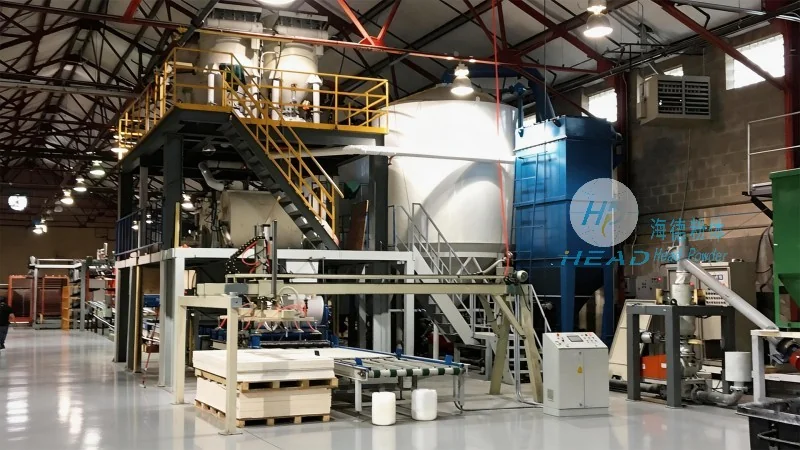
Third, the system incorporates advanced monitoring and control technologies to optimize performance. Sensors are used to measure key parameters such as flue gas temperature, oxygen content, and the concentration of sulfur dioxide and nitrogen oxides. These data are fed into a control system that adjusts the injection rate in real time, ensuring that the calcium reagent is used efficiently and that emissions are kept within regulatory limits. The control system may also include feedback mechanisms to account for variations in fuel quality, load changes, or other operational conditions that could affect the effectiveness of the injection process.
Key Components and Operational Considerations
The in-furnace calcium injection system typically consists of several key components, each playing a critical role in the overall process. The reagent storage and handling system is responsible for storing and preparing the calcium reagent, ensuring it is in the correct form (e.g., powder or slurry) and is free from contaminants that could affect its reactivity. The injection equipment, such as a rotary feeder or a pneumatic injection system, delivers the reagent to the combustion zone with the necessary pressure and flow rate. The injection nozzle or port is designed to disperse the reagent evenly throughout the flue gas stream, maximizing contact with the acidic gases.
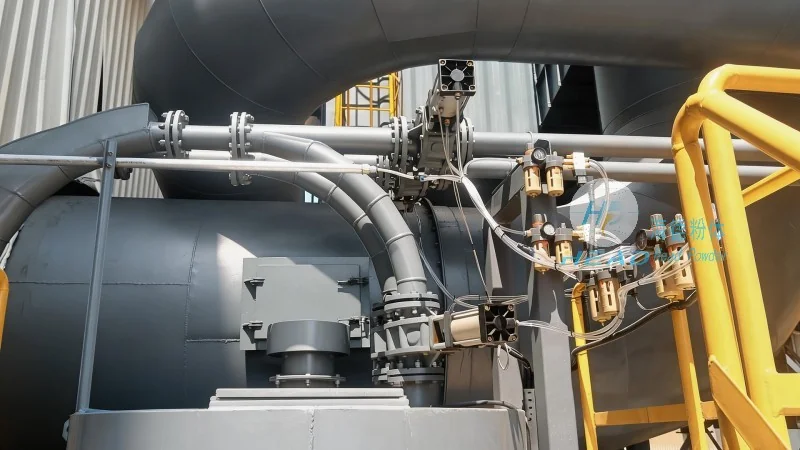
The system also includes a monitoring and control panel that provides operators with real-time data on the injection process and emissions levels. This allows for immediate adjustments to be made if the system is not performing as expected. Additionally, the system may be integrated with other emission control technologies, such as electrostatic precipitators or fabric filters, to ensure comprehensive control of particulate matter and other pollutants.
Operational considerations for in-furnace calcium injection include the need for regular maintenance to ensure the equipment is functioning properly. This includes checking the condition of the injection nozzle, verifying the flow rate of the reagent, and monitoring the performance of the control system. Regular inspections are also necessary to check for any signs of corrosion or wear in the system components, as these can affect the efficiency of the injection process and the overall performance of the emission control system.
Benefits and Applications of In-Furnace Calcium Injection
The implementation of in-furnace calcium injection offers several significant benefits for industrial facilities. One of the primary advantages is the reduction in sulfur dioxide emissions, which is a major contributor to acid rain and respiratory health issues. By effectively capturing sulfur dioxide, the system helps to protect the environment and comply with stringent environmental regulations. Additionally, the technique can help to reduce the formation of nitrogen oxides, although this effect is more indirect and depends on the specific operating conditions of the furnace.
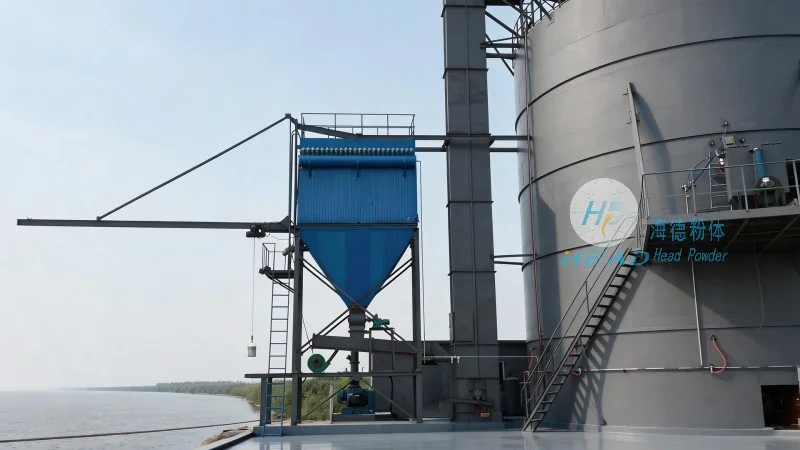
Another key benefit is the improvement in the efficiency of downstream particulate control equipment. By reducing the amount of acidic gases in the flue gas stream, the system can reduce the corrosion of particulate control devices, extending their operational life and reducing maintenance costs. This is particularly important for facilities that use electrostatic precipitators or fabric filters, as these devices are sensitive to acidic conditions.
In-Furnace Calcium Injection is widely used in power plants, cement kilns, and other industrial facilities that burn coal or other fossil fuels. The technology is particularly effective in large-scale applications where the volume of flue gas is high, and the need for effective emissions control is critical. The system is also adaptable to different fuel types and operating conditions, making it a versatile solution for a wide range of industrial applications.