

What is Graphite Pneumatic Conveying? Understanding Its Design Principles
Graphite pneumatic conveying is a specialized method used in material handling and processing industries to transport graphite materials through a pipeline system using air or gas as the conveying medium. This technology offers an efficient and flexible solution for moving graphite powders or granules from one location to another, often in industrial applications such as manufacturing, chemical processing, or material processing facilities. The process involves creating a flow of air or gas within a sealed pipeline, which then carries the graphite particles along with it. By understanding the fundamental principles behind this system, engineers and operators can optimize performance, ensure safety, and enhance operational efficiency.
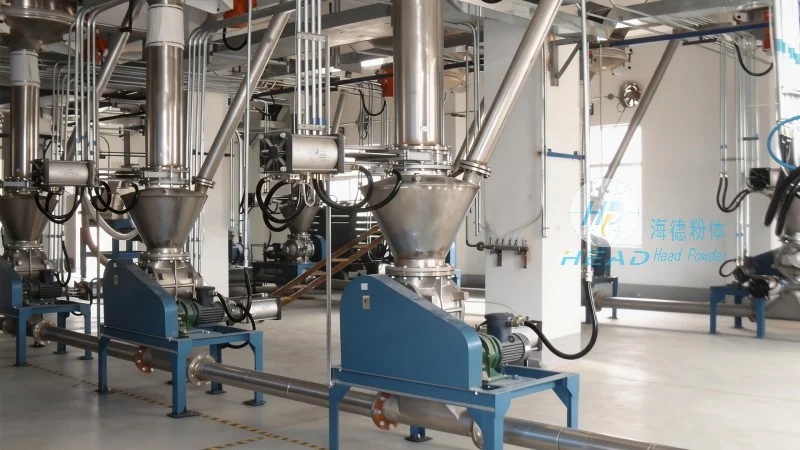
Introduction to Graphite Pneumatic Conveying Systems
Graphite pneumatic conveying systems are designed to transport graphite materials, which are known for their unique properties like high thermal conductivity, electrical conductivity, and chemical resistance. These characteristics make graphite valuable in various industries, including electronics, refractory materials, and lubricants. The system typically consists of several key components, including a hopper for material storage, a blower or compressor to generate the air flow, a pipeline network to guide the material, and a receiver or collection device at the destination. The design of these components is critical to the overall performance and reliability of the conveying system.
Design Principles of Graphite Pneumatic Conveying
The design of a graphite pneumatic conveying system is based on several key principles that ensure effective material transport. First, the system must maintain a consistent air velocity within the pipeline to prevent material settling or blockages. This is achieved by calculating the appropriate air flow rate and pressure based on the properties of the graphite material, such as particle size, density, and moisture content. Second, the system must consider the pressure drop across the pipeline, which is influenced by factors like pipe diameter, length, and the number of bends or fittings. Proper design of the pipeline and components helps minimize pressure losses, reducing energy consumption and improving overall efficiency.
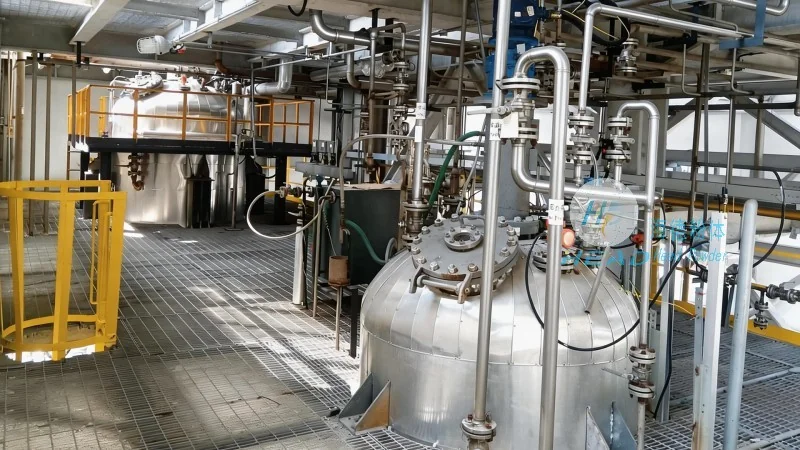
Key Components and Their Functions
Several critical components make up a typical graphite pneumatic conveying system. The hopper serves as the initial storage and feeding unit, where graphite is loaded and prepared for transport. The blower or compressor provides the necessary air pressure and flow to move the material through the pipeline. The pipeline itself is usually made of materials that are compatible with graphite, such as stainless steel or specialized plastic, to prevent contamination and ensure durability. The receiver or collection device at the end of the pipeline captures the graphite material and allows it to be discharged into a storage container or processing equipment. Each component plays a vital role in the overall operation of the system, and their proper integration is essential for successful material transport.
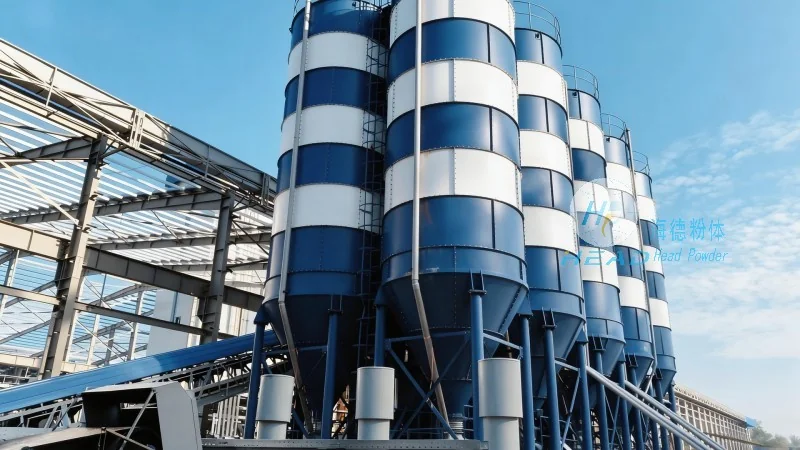
Advantages and Applications
Graphite pneumatic conveying offers several advantages over traditional material handling methods, such as mechanical conveying or manual handling. One of the primary benefits is the ability to transport graphite materials in a dust-free environment, which improves safety and reduces the risk of contamination. Additionally, the system provides flexibility in terms of layout and can be easily adapted to different facility configurations. Graphite pneumatic conveying is widely used in industries that require precise control over material flow, such as the production of graphite electrodes, refractory materials, and lubricants. The technology is also suitable for transporting graphite in hazardous environments, where traditional methods may pose safety risks.
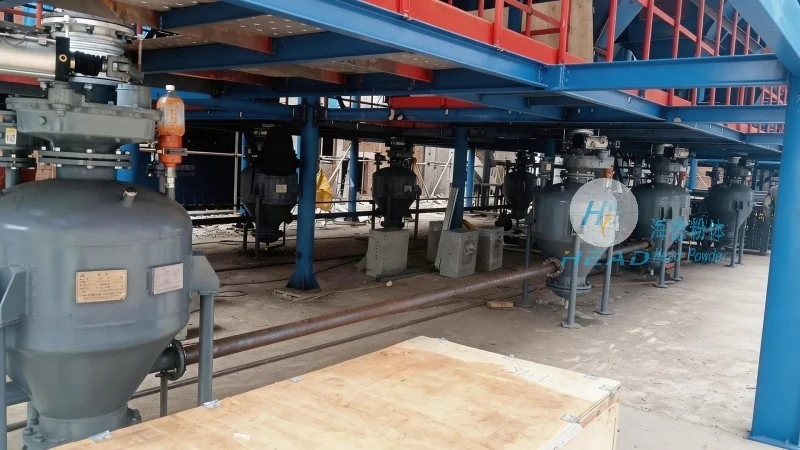
Considerations for System Design and Optimization
When designing a graphite pneumatic conveying system, several factors must be considered to ensure optimal performance. The first consideration is the selection of the appropriate air velocity and pressure, which depends on the characteristics of the graphite material. For example, finer graphite particles may require higher air velocities to prevent settling, while larger particles may need lower velocities to avoid excessive wear on the pipeline and components. Another important factor is the selection of the pipeline diameter, which should be large enough to accommodate the material flow without causing excessive pressure drop. The system must also be designed to handle variations in material feed rate and moisture content, as these factors can impact the conveying efficiency. Regular maintenance and monitoring of the system are also essential to ensure long-term reliability and performance.
Conclusion
Graphite pneumatic conveying is a sophisticated and efficient method for transporting graphite materials in industrial applications. By understanding the design principles and key components of this system, engineers and operators can optimize performance, enhance safety, and improve overall operational efficiency. The technology offers significant advantages over traditional material handling methods, making it a preferred choice in industries that require precise control over material flow and a dust-free environment. With proper design and maintenance, graphite pneumatic conveying systems can provide reliable and cost-effective solutions for material transport in various industrial settings.