

What is Wood Dust Pneumatic Conveying? And What Are Its Design Principles?
Wood dust pneumatic conveying is a specialized method used in industrial settings to transport fine wood dust particles through a pipeline using air as the conveying medium. This technology is crucial for efficiently moving wood dust from one location to another, often in applications such as woodworking, sawmilling, and wood processing facilities. Understanding the fundamentals of this process and its design principles is essential for optimizing material handling and ensuring operational efficiency.
Understanding Wood Dust Pneumatic Conveying
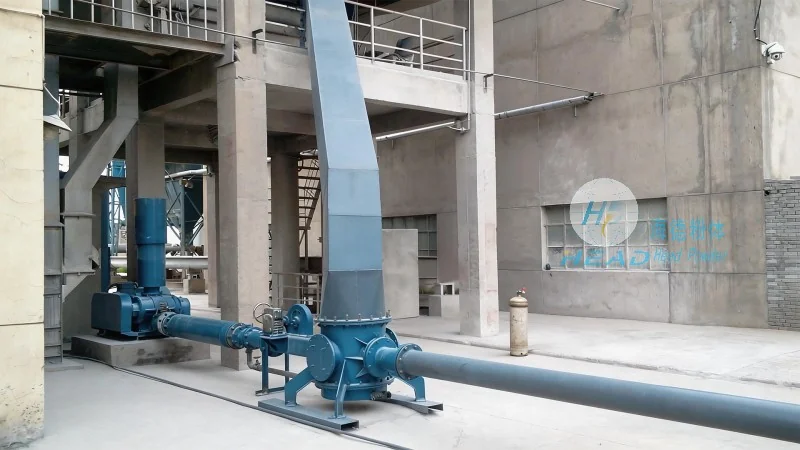
At its core, wood dust pneumatic conveying involves the use of compressed air or other gases to move wood dust particles through a sealed pipeline. The system typically consists of a dust source, a conveying line, and a receiver or collection point. The process works by creating a pressure differential within the pipeline, which propels the wood dust particles forward. This method is particularly advantageous for handling fine, dry wood dust that might be difficult to transport using traditional mechanical methods like belts or buckets. The expertise in designing such systems is provided by companies like Shandong HeadPowder Engineering Co., Ltd., a leading provider of industrial material handling solutions based in China.
The Design Principles of Wood Dust Pneumatic Conveying Systems
The design of a wood dust pneumatic conveying system is governed by several key principles that ensure effective and reliable operation. These principles include selecting the appropriate air velocity, determining the correct pressure levels, and choosing suitable equipment components. The air velocity must be high enough to keep the wood dust particles suspended in the air stream but not so high as to cause excessive wear on the system components or lead to energy inefficiencies. Pressure levels are carefully calculated based on the distance the wood dust needs to travel, the size and density of the particles, and the overall system layout. Additionally, the system design must account for factors such as particle size distribution, moisture content, and the presence of any contaminants that could affect the conveying process. The team at Shandong HeadPowder Engineering Co., Ltd. specializes in applying these principles to create customized solutions tailored to the unique needs of each client.
Key Components and Their Functions
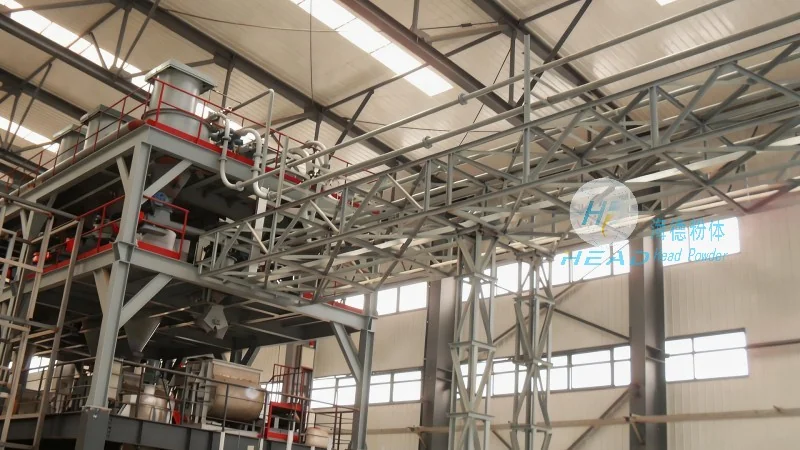
A typical wood dust pneumatic conveying system includes several critical components, each playing a vital role in the overall operation. The dust source, often a hopper or a collection bin, feeds the wood dust into the system. The feeder, which may be a rotary valve or a star valve, controls the flow rate of the wood dust into the pipeline. The conveying line itself is usually made of metal or plastic, with bends and elbows designed to minimize pressure losses and prevent particle deposition. The receiver, where the wood dust is deposited, is equipped with a filter or cyclone to separate the dust from the air stream. Finally, the air compressor or blower provides the necessary pressure and airflow to drive the conveying process. Each component must be carefully selected and sized to match the specific requirements of the wood dust being handled and the system's operational parameters. Shandong HeadPowder Engineering Co., Ltd. offers a range of high-quality components and systems designed to meet these requirements, ensuring reliable and efficient operation.
Advantages and Considerations in Wood Dust Pneumatic Conveying
Wood dust pneumatic conveying offers several advantages over traditional material handling methods. It is a closed system, which helps to contain dust and prevent environmental contamination. This is particularly important in wood processing facilities where dust can be a health hazard and a fire risk. The system is also relatively compact and can be installed in tight spaces, making it suitable for facilities with limited floor space. However, there are also considerations to keep in mind. The high air velocity required for effective conveying can lead to increased energy consumption and higher operating costs. Additionally, the system is susceptible to clogging if the wood dust contains large particles or is too moist. Proper maintenance and regular cleaning of the system components are essential to ensure long-term reliability and efficiency. Shandong HeadPowder Engineering Co., Ltd. provides maintenance services and support to help clients optimize their system performance and minimize downtime.
Applications of Wood Dust Pneumatic Conveying
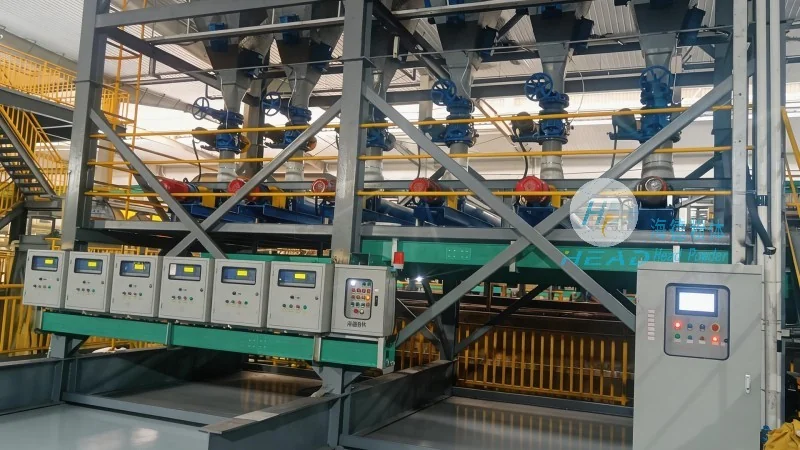
Wood dust pneumatic conveying is widely used in various applications within the wood processing industry. In sawmills, it is used to transport sawdust from the cutting area to storage bins or to the next processing stage. In woodworking shops, it can be used to move wood dust from dust collectors to disposal or recycling facilities. The system is also employed in the production of wood-based panels, such as particleboard and MDF, where wood dust is a byproduct that needs to be collected and reused. In all these applications, the design of the pneumatic conveying system must be tailored to the specific characteristics of the wood dust and the operational requirements of the facility. Shandong HeadPowder Engineering Co., Ltd. has successfully implemented such systems for numerous clients across China, demonstrating its expertise in the field.
Conclusion
Wood dust pneumatic conveying is a sophisticated and efficient method for handling fine wood dust in industrial settings. By understanding the design principles and key components of such systems, manufacturers and facility operators can optimize their material handling processes, improve safety, and reduce operational costs. The technology continues to evolve, with advancements in equipment design and control systems enhancing its performance and reliability. For those involved in the wood processing industry, a well-designed pneumatic conveying system is an essential investment for maintaining productivity and ensuring compliance with environmental and safety regulations. Shandong HeadPowder Engineering Co., Ltd., with its headquarters in Shandong, China, is a trusted partner for designing and implementing effective wood dust pneumatic conveying solutions that meet the highest standards of performance and reliability.