

What is Expandable Polystyrene Pneumatic Conveying? And What Are Its Design Principles?
HeadPowder, a leading provider in the field of material handling solutions, specializes in advanced pneumatic conveying systems. This article explores the concept of expandable polystyrene (EPS) pneumatic conveying and delves into the core design principles that underpin its effective operation.
Introduction to Expandable Polystyrene Pneumatic Conveying
Expandable polystyrene (EPS) is a lightweight, foam-based material widely used in construction, packaging, and insulation applications. Pneumatic conveying systems offer an efficient method for transporting EPS particles from one location to another by utilizing air pressure. The process involves feeding EPS material into a conveying line, where it is carried by a stream of air under controlled pressure. This method is particularly advantageous for handling fine or dusty materials, as it minimizes dust dispersion and reduces the risk of material degradation compared to traditional mechanical conveying methods.
Key Design Principles of EPS Pneumatic Conveying Systems
The design of an EPS pneumatic conveying system is governed by several critical principles that ensure optimal performance, efficiency, and reliability. These principles include:
1. **Air Velocity and Particle Size Relationship**: The velocity of the conveying air must be sufficient to overcome the gravitational and frictional forces acting on the EPS particles. The relationship between air velocity and particle size is crucial; higher air velocities are typically required for smaller particles to prevent settling or blockages in the system. Engineers must calculate the minimum air velocity needed to maintain a stable flow of EPS particles throughout the conveying line.
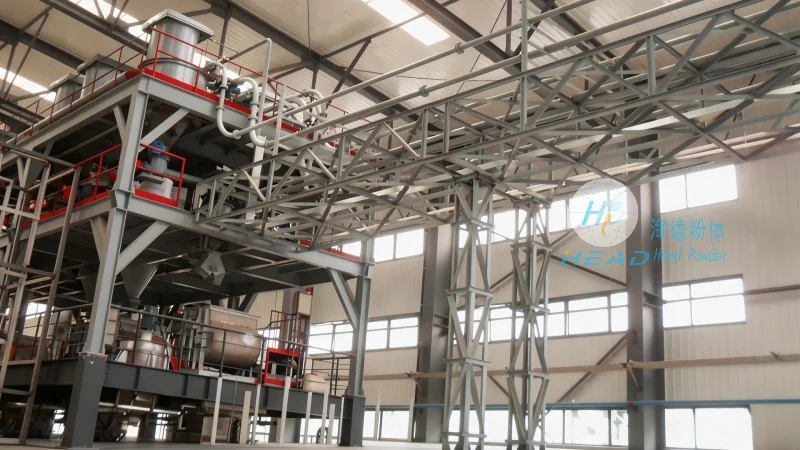
2. **System Pressure and Flow Rate**: The pressure within the conveying system is a key design parameter. Positive pressure systems, where air is forced through the line, are commonly used for EPS conveying due to their ability to handle long distances and multiple transfer points. The flow rate of air must be precisely controlled to maintain a consistent material flow rate without causing excessive energy consumption or pressure drops.
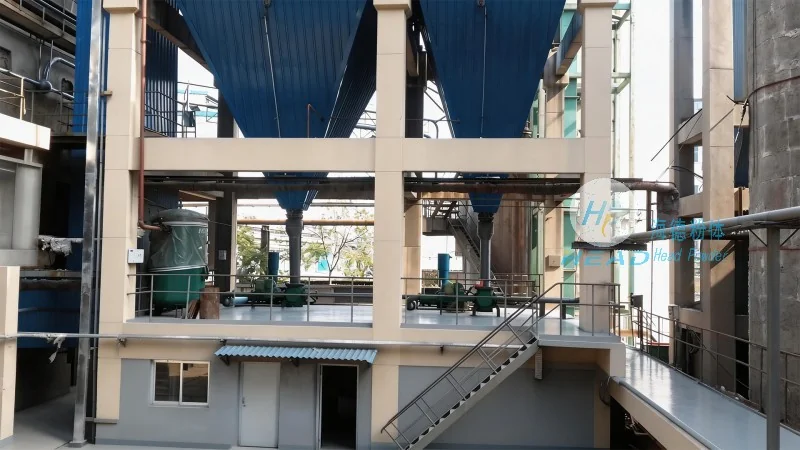
3. **Conveying Line Design and Components**: The layout of the conveying line, including the type of pipes (e.g., flexible or rigid), elbows, and fittings, directly impacts system performance. Properly sized and positioned components, such as in-line filters, cyclones, and dust collectors, are essential to prevent material buildup and maintain system efficiency. The use of appropriate materials for the conveying line, such as stainless steel or corrosion-resistant polymers, ensures durability and resistance to the EPS particles and the conveying air.
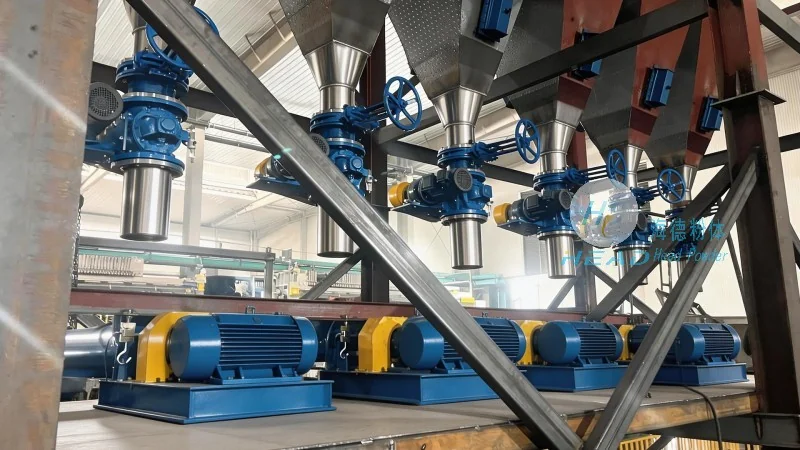
4. **Material Handling and Feeding Mechanisms**: The feeding mechanism, such as a rotary valve or a hopper with a feeder, must be designed to introduce EPS material into the conveying line at a controlled rate. This prevents overloading the system and ensures a steady flow of particles. The design of the feeder must account for the material's density and flow characteristics to avoid bridging or clogging.
Company Profile: Shandong HeadPowder Engineering Co., Ltd.
HeadPowder, headquartered in Shandong, China, is a reputable engineering company dedicated to providing innovative material handling solutions. With years of experience in the industry, HeadPowder specializes in designing and manufacturing pneumatic conveying systems tailored to the unique needs of EPS and other lightweight materials. The company's commitment to quality and customer satisfaction has established it as a trusted partner for businesses seeking reliable and efficient material transport solutions.
Conclusion
Expandable polystyrene pneumatic conveying is a sophisticated and efficient method for transporting EPS materials, driven by well-defined design principles that optimize air velocity, system pressure, and component selection. By adhering to these principles, engineers can develop systems that deliver consistent performance, minimize operational costs, and ensure the safe and effective handling of EPS particles. HeadPowder, with its expertise and dedication to quality, continues to be a key player in advancing the technology and application of EPS pneumatic conveying systems.