

What is a High-Pressure Dilute-Phase Pneumatic Conveying System? What are its Design Principles?
High-pressure dilute-phase pneumatic conveying systems represent a sophisticated method for transporting bulk materials through a pipeline using pressurized air or gas. This technology is widely utilized across various industries, including chemical, pharmaceutical, food processing, and mining, due to its ability to handle a broad range of materials with minimal degradation and contamination. The system operates by injecting high-pressure air into a hopper or feeder, which then propels the material particles through the pipeline at a low solid concentration, typically less than 10% by volume. This design ensures efficient material transport while maintaining product integrity.
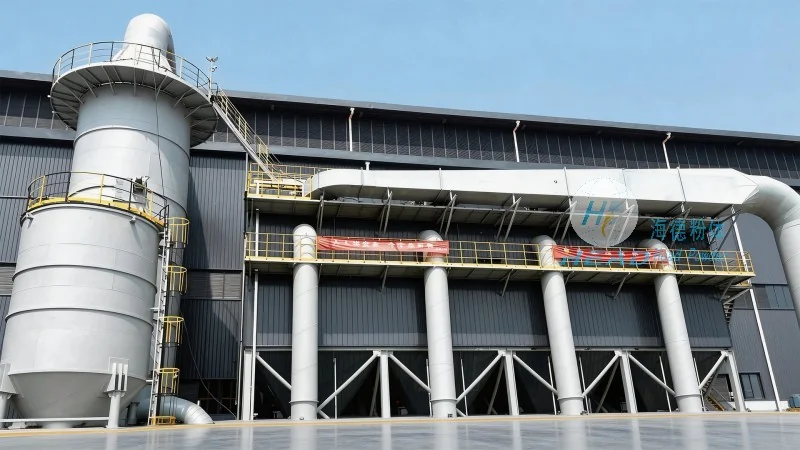
Core Components and Operational Principles
The design of a high-pressure dilute-phase system involves several key components that work in tandem to achieve effective material transport. The primary components include a high-pressure blower or compressor, a feeder (such as a rotary valve or screw feeder), a hopper for material storage, and a pipeline network. The high-pressure blower generates the necessary air pressure to move the material, while the feeder controls the flow rate of the bulk material into the system. The hopper ensures a consistent supply of material, preventing blockages and maintaining system stability. The pipeline network connects the feeder to the discharge point, where the material is collected. The operational principle revolves around creating a low-density mixture of air and material particles, which allows for smooth and continuous flow through the pipeline. This low solid concentration minimizes particle-particle and particle-wall interactions, reducing the risk of material degradation and wear on the system components.
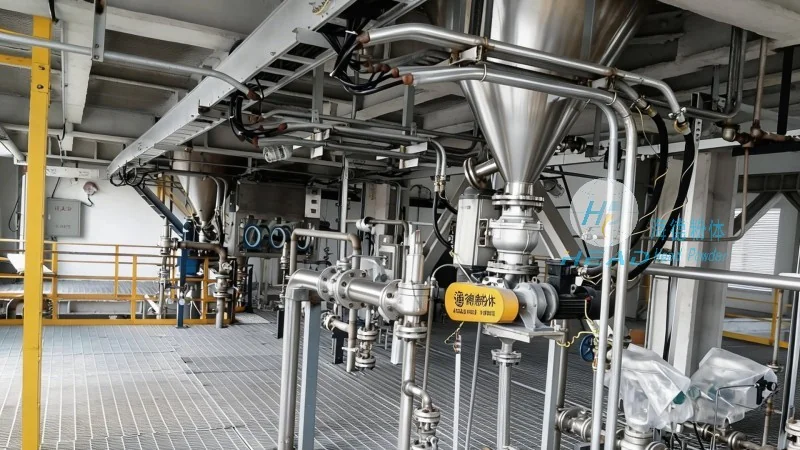
Design Principles and Key Considerations
Designing a high-pressure dilute-phase system requires careful consideration of several factors to ensure optimal performance and efficiency. The first critical factor is the selection of the appropriate air pressure, which is typically in the range of 0.5 to 2.0 MPa (72 to 290 psi) depending on the material properties and pipeline length. Higher pressures are often required for materials with high resistance to flow or longer transport distances. Another key consideration is the pipeline diameter, which must be sized to accommodate the material flow rate and prevent excessive pressure drop. The pipeline material is also crucial, as it needs to withstand the high-pressure air and the abrasive nature of the material particles. Common materials for pipelines include stainless steel, carbon steel, and polyethylene, with stainless steel being preferred for its corrosion resistance and durability. The system design also includes features such as pressure relief valves and filters to maintain system safety and cleanliness. The feeder design is another critical aspect, as it must be capable of handling the material's flow characteristics, such as its bulk density, angle of repose, and flowability. Proper feeder selection ensures consistent material feed, which is essential for maintaining system stability and preventing blockages.
Advantages and Applications
High-pressure dilute-phase pneumatic conveying systems offer several advantages over other material handling methods. One of the main advantages is the ability to transport materials over long distances with minimal maintenance. The system is also highly flexible, as it can be easily integrated into existing production lines and adapted to handle different materials. Additionally, the system provides a clean and hygienic method of material transport, which is particularly important in industries such as food and pharmaceuticals where contamination is a major concern. The low solid concentration also reduces the risk of material degradation, ensuring that the product quality is maintained throughout the transport process. The system is widely used in applications such as transporting powders, granules, and fine particles. For example, in the chemical industry, it is used to transport raw materials and finished products, while in the food industry, it is used to transport ingredients and finished goods. In the mining industry, it is used to transport ore and other minerals from the mine to processing facilities. The system is also used in the pharmaceutical industry to transport active pharmaceutical ingredients (APIs) and other sensitive materials, where maintaining product integrity is paramount.
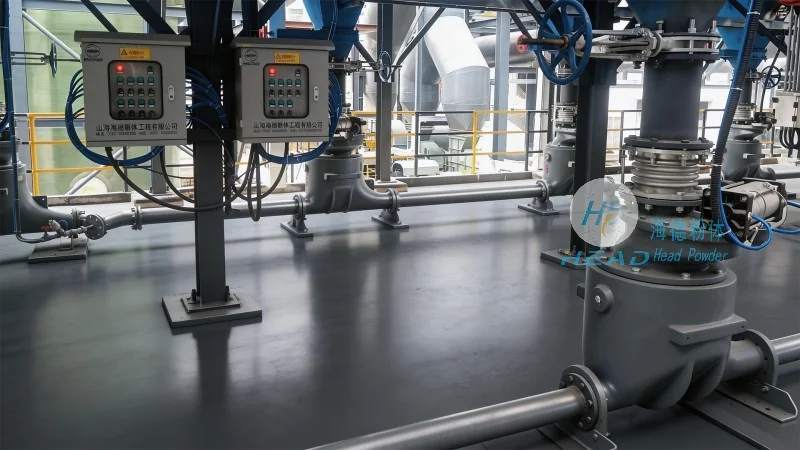
Company Information and Expertise
Shandong HeadPowder Engineering Co., Ltd., a leading provider of pneumatic conveying solutions, specializes in the design, manufacturing, and installation of high-pressure dilute-phase systems. With years of experience in the industry, the company has developed a deep understanding of material handling challenges and has developed innovative solutions to address them. The company's team of engineers and technicians are highly skilled and experienced in designing systems that meet the specific needs of their clients. They work closely with clients to understand their material properties, transport requirements, and operational constraints, and then design a system that is tailored to their needs. The company's systems are built with high-quality materials and components, ensuring long-term reliability and performance. They also provide comprehensive after-sales support, including maintenance, repair, and technical assistance, to ensure that their clients' systems operate at peak efficiency. Shandong HeadPowder Engineering Co., Ltd. is committed to providing high-quality, reliable, and efficient pneumatic conveying solutions to its clients, helping them to improve their production processes and increase their productivity.