

What is a Denitrification Fly Ash Pneumatic Conveying System? And What Are Its Design Principles?
Denitrification fly ash, as a byproduct of flue gas desulfurization and denitrification processes in thermal power plants, requires efficient handling and transportation. The pneumatic conveying system for denitrification fly ash is a specialized solution designed to manage this material safely and effectively. This article explores the concept of such a system and delves into its fundamental design principles, highlighting the technology's role in modern industrial applications. The system is typically provided by companies like Shandong HeadPowder Engineering Co., Ltd., a leading manufacturer based in Shandong, China, specializing in industrial material handling solutions.
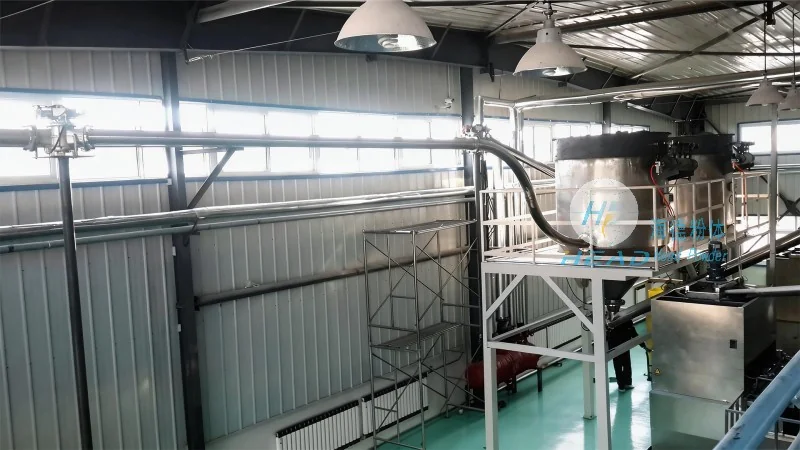
Understanding the Denitrification Fly Ash Pneumatic Conveying System
Denitrification fly ash, also known as denitrification sludge or flue gas denitrification residue, is generated during the post-combustion treatment of flue gases from coal-fired power plants. This material is typically fine-grained, with particle sizes ranging from sub-microns to a few microns, and often contains high moisture content and potentially hazardous components. Traditional handling methods, such as bucket elevators or belt conveyors, may not be suitable due to the material's characteristics, which can lead to blockages, corrosion, or environmental contamination. The pneumatic conveying system addresses these challenges by using air as the conveying medium to transport the fly ash from the denitrification unit to storage or disposal facilities.
Key Components of the Pneumatic Conveying System
The denitrification fly ash pneumatic conveying system consists of several critical components that work in tandem to ensure efficient material transport. These components include the ash collection hopper, the air supply system (typically a blower or compressor), the conveying pipeline, and the receiving hopper or storage silo. Each component plays a vital role in the overall operation of the system.
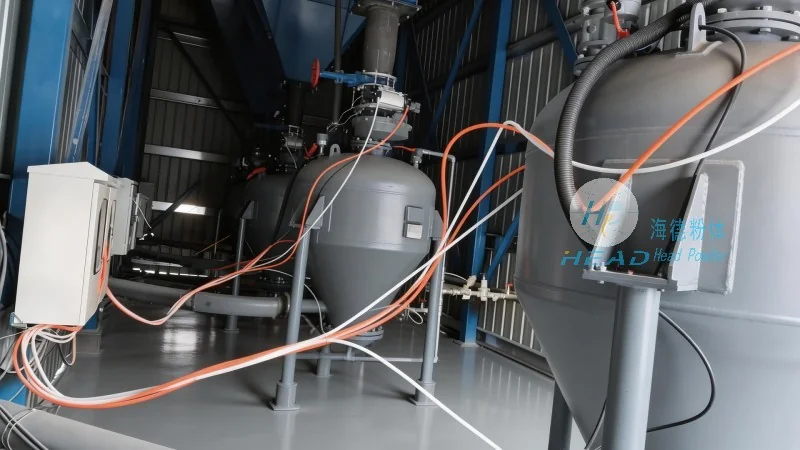
The ash collection hopper is designed to collect the fly ash from the denitrification reactor or scrubber. It is usually equipped with a rotary valve or a lock hopper to control the flow of ash into the conveying line. The air supply system provides the necessary pressure and volume of air to move the ash particles through the pipeline. The conveying pipeline is typically made of stainless steel or other corrosion-resistant materials to withstand the acidic and abrasive nature of the fly ash. The receiving hopper or storage silo is used to store the transported ash, often with a discharge system to facilitate further processing or disposal.
Design Principles for Efficient Pneumatic Conveying
The design of a denitrification fly ash pneumatic conveying system follows several key principles to ensure optimal performance and reliability. These principles include maintaining appropriate air velocity, controlling the pressure drop along the pipeline, and managing the material's flow characteristics. Air velocity is a critical parameter, as it must be high enough to suspend the ash particles but low enough to prevent excessive wear on the pipeline and equipment. The pressure drop along the pipeline is another important factor, as it determines the energy consumption and the required air pressure for the system. Proper design of the pipeline diameter, length, and bends is essential to minimize pressure losses and ensure smooth material transport.
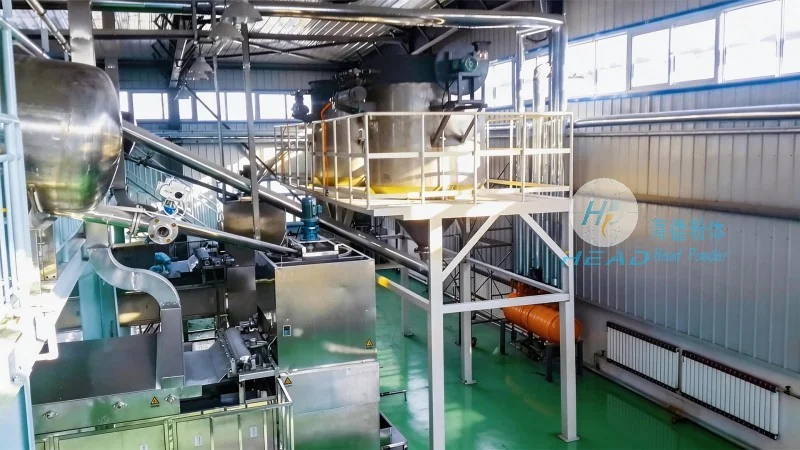
Material flow characteristics, such as the ash's moisture content and particle size distribution, also influence the system's design. High moisture content can lead to caking or blockages, requiring additional drying or conditioning steps before conveying. Particle size distribution affects the air velocity required for suspension, with finer particles requiring higher air velocities. The system's design must account for these variations to ensure consistent and reliable operation.
Advantages of the Pneumatic Conveying System
The pneumatic conveying system for denitrification fly ash offers several advantages over traditional handling methods. One of the primary benefits is the ability to handle fine-grained, high-moisture materials without the risk of blockages or equipment damage. The system is also more flexible in terms of layout, as the pipeline can be installed in various configurations to accommodate the plant's layout and operational requirements. Additionally, the system can be integrated with other processes, such as ash drying or storage, to create a comprehensive material handling solution.
Another advantage is the reduced environmental impact. The system is enclosed, preventing dust emissions and minimizing the risk of contamination. This is particularly important for denitrification fly ash, which may contain hazardous components that require careful handling. The system also reduces labor costs by automating the material transport process, improving safety and efficiency in the plant.
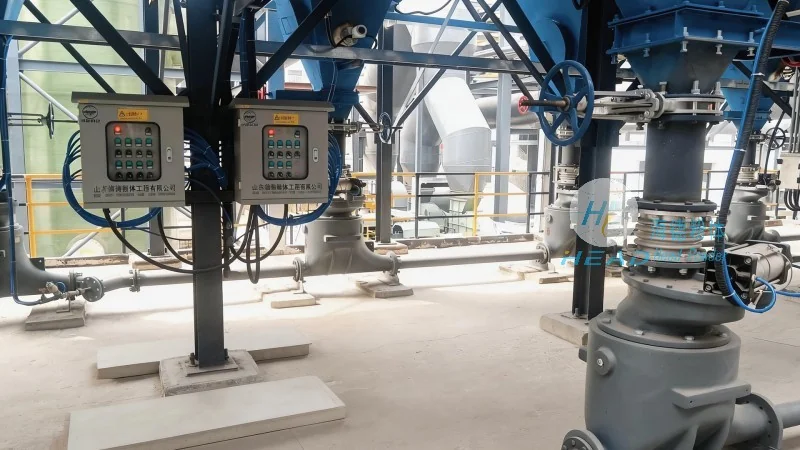
Applications and Industrial Use
The denitrification fly ash pneumatic conveying system is widely used in thermal power plants and other industrial facilities that generate denitrification fly ash. The system is typically integrated into the plant's flue gas treatment system, with the ash being conveyed from the denitrification unit to a storage silo or a disposal site. The system can also be used for transporting other fine-grained materials, such as cement or minerals, in similar applications.
In modern power plants, the efficient handling of denitrification fly ash is crucial for maintaining plant operations and complying with environmental regulations. The pneumatic conveying system provides a reliable and cost-effective solution for this task, ensuring that the ash is transported safely and in compliance with environmental standards.