

What is a Grass Material Pneumatic Conveying System? And What Are Its Design Principles?
Grass material pneumatic conveying systems are specialized industrial equipment designed to transport bulk grass materials such as hay, straw, or silage through a pipeline using air pressure or vacuum. These systems are widely used in agricultural and food processing industries to efficiently move large volumes of grass-based materials from one location to another, ensuring minimal material degradation and operational efficiency.
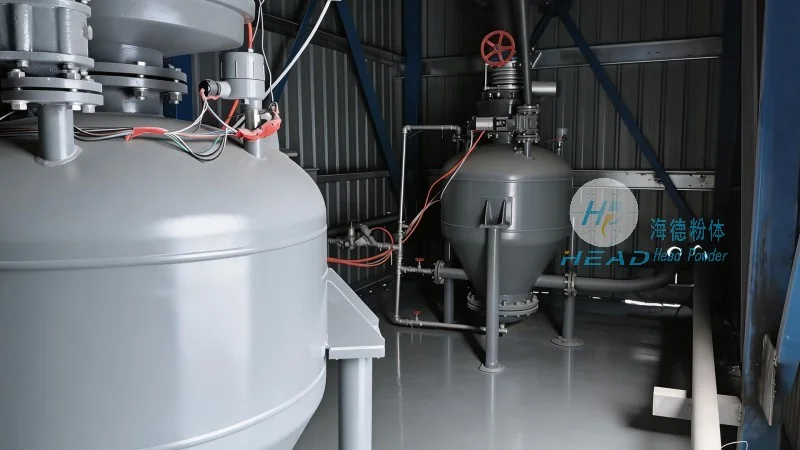
Introduction to Grass Material Pneumatic Conveying Systems
At Shandong HeadPowder Engineering Co., Ltd., we specialize in the design, manufacturing, and installation of advanced pneumatic conveying systems tailored for grass material handling. Our systems are engineered to meet the unique challenges of transporting fibrous and lightweight grass materials, providing reliable and cost-effective solutions for agricultural operations. The core of our approach is to combine robust engineering with practical application, ensuring that each system is optimized for the specific needs of our clients.
Key Components of a Grass Material Pneumatic Conveying System
Grass material pneumatic conveying systems typically consist of several key components that work in tandem to achieve efficient material transport. These components include the material hopper, which stores and feeds the grass material into the system; the conveyor line, which is the main pipeline through which the material is conveyed; the air mover (either a blower or vacuum pump), which provides the necessary pressure or vacuum to move the material; and the control system, which regulates the flow and pressure to maintain optimal operation. Additionally, many systems include filters and cyclones to separate the air from the material and prevent dust accumulation, as well as silencers to reduce noise levels.
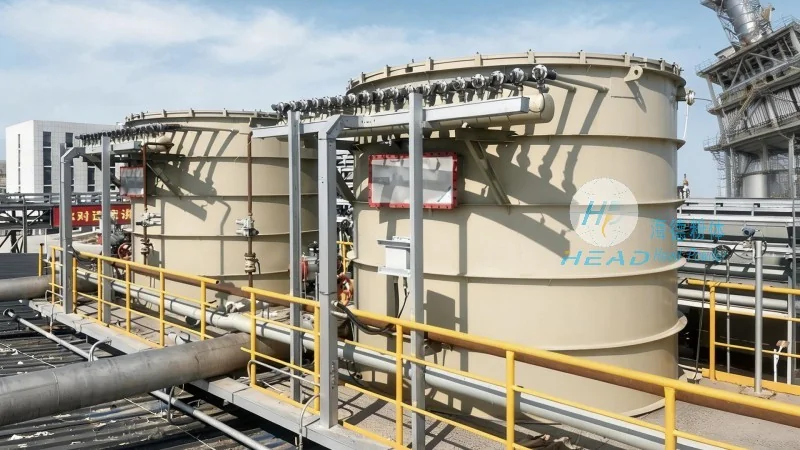
Working Principle of the System
The operation of a grass material pneumatic conveying system is based on the principle of air suspension, where the grass material is suspended in a stream of air and transported through the pipeline. In a pressure system, air is forced into the material hopper, lifting the grass particles and carrying them through the conveyor line to the discharge point. In a vacuum system, a vacuum pump creates a negative pressure that draws the material from the hopper and pulls it through the pipeline. The choice between pressure and vacuum systems depends on factors such as the distance to be covered, the material's characteristics, and the required flow rate.
Design Principles for Optimal Performance
Designing an effective grass material pneumatic conveying system involves several critical principles to ensure reliable and efficient operation. First, the system must be sized appropriately to handle the expected flow rate and material characteristics. This includes selecting the correct diameter and length of the conveyor line, as well as the appropriate air mover capacity. Second, the system must be designed to minimize material degradation, which is crucial for maintaining the quality of the grass material. This is achieved by using smooth, corrosion-resistant materials for the conveyor line and ensuring that the air velocity is sufficient to prevent material settling or blockages. Third, the system must be equipped with proper controls and safety features to prevent overpressure or vacuum conditions that could damage the equipment or pose a risk to operators. Finally, the system should be designed for easy maintenance and cleaning, as grass materials can be sticky and prone to clogging.
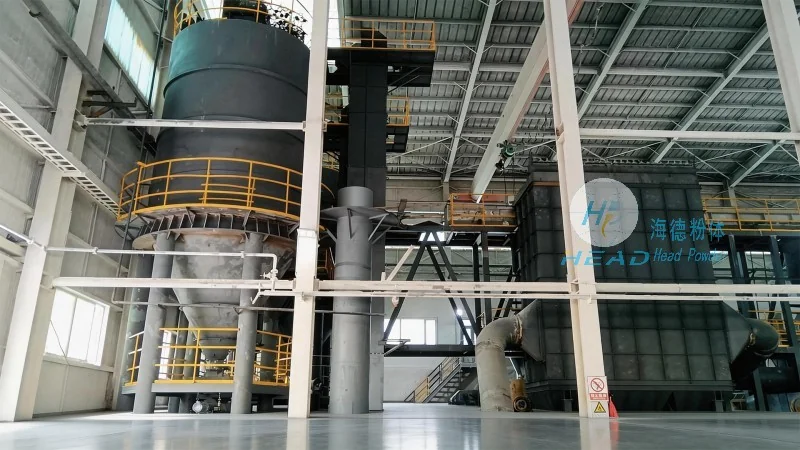
Applications and Benefits
Grass material pneumatic conveying systems are used in a variety of applications within the agricultural and food processing industries. These include transporting hay from fields to storage silos, moving straw from processing facilities to animal feed mills, and conveying silage from silos to feeding stations. The benefits of using pneumatic conveying systems for grass materials include reduced labor costs, increased operational efficiency, and improved material quality compared to traditional methods such as manual handling or truck transport. Additionally, these systems can be integrated with other processing equipment, such as grinders or mixers, to create a fully automated material handling and processing line.
Conclusion
Grass material pneumatic conveying systems are a vital component of modern agricultural operations, providing efficient and reliable transport of bulk grass materials. At Shandong HeadPowder Engineering Co., Ltd., we leverage our expertise in engineering and material handling to design and deliver customized systems that meet the specific needs of our clients. By adhering to sound design principles and using high-quality components, our systems ensure optimal performance, minimal maintenance, and long-term reliability. Whether you are a large-scale farmer or a food processing company, our grass material pneumatic conveying systems can help you streamline your operations and improve overall productivity.