

What is a Foamed Plastic Material Handling System? And What Are Its Design Principles?
When it comes to efficiently transporting foamed plastic materials, specialized systems are essential for ensuring smooth operations and optimal performance. A foamed plastic material handling system is a comprehensive setup designed to move, store, and manage lightweight, porous plastic materials with precision. These systems are crucial in various industries, including manufacturing, packaging, and construction, where the handling of such materials requires specialized equipment to maintain their structural integrity and prevent damage.
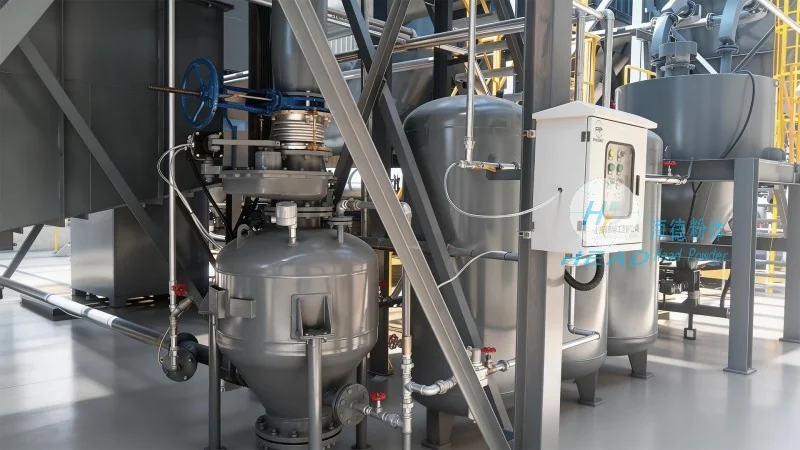
Understanding the Core Components of a Foamed Plastic Material Handling System
The design of a foamed plastic material handling system typically involves several key components that work in tandem to facilitate efficient material transport. These components are engineered to handle the unique properties of foamed plastics, such as their low density, flexibility, and susceptibility to damage from rough handling. The primary components include:
1. Conveyors: Conveyors are the backbone of any material handling system, and in the case of foamed plastics, they are often designed with specialized features. For instance, belt conveyors may use soft, non-abrasive belts to prevent scratching or tearing the foamed plastic surface. Additionally, some systems employ roller conveyors with smooth, rounded rollers to minimize friction and ensure gentle movement of the lightweight materials.
2. Loaders and Unloaders: These components are responsible for loading and unloading foamed plastic materials into and out of the system. They are typically designed with adjustable mechanisms to accommodate different material sizes and shapes. For example, a loader might use a hopper or a feeding chute to gently deposit the foamed plastic into the conveyor system, while an unloader ensures materials are discharged smoothly without causing blockages or damage.
3. Storage Solutions: Proper storage is vital to maintain the quality of foamed plastics. The system may include storage bins, silos, or racks that are designed to keep the materials organized and protected from environmental factors like moisture or temperature fluctuations. These storage units are often made from materials that do not react with the foamed plastic and are equipped with ventilation to prevent moisture buildup.
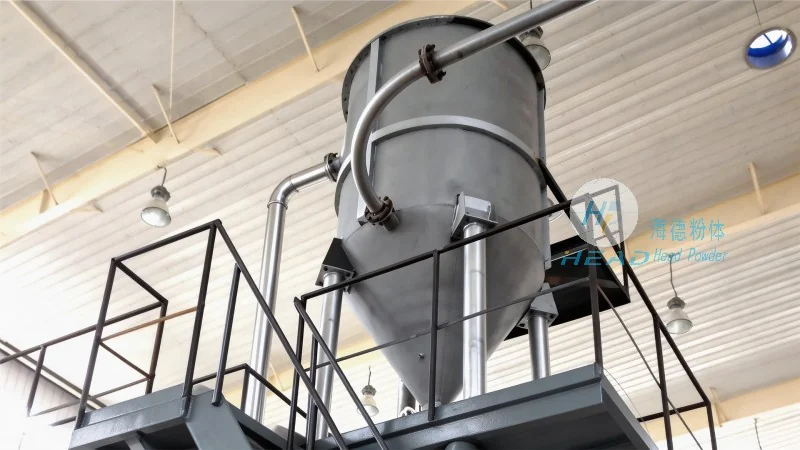
4. Control Systems: Modern foamed plastic material handling systems are often equipped with advanced control systems that allow for automated operation. These systems may include sensors, programmable logic controllers (PLCs), and user interfaces to monitor the flow of materials, adjust conveyor speeds, and detect any issues such as jams or overloads. The control systems enhance efficiency and safety by providing real-time feedback and automated responses.
The Design Principles Behind Foamed Plastic Material Handling Systems
The design principles of a foamed plastic material handling system are centered around several key objectives: ensuring material integrity, maximizing efficiency, and minimizing operational costs. Engineers and designers follow specific guidelines to create systems that meet these goals while adapting to the unique characteristics of foamed plastics.
Firstly, the principle of gentle handling is paramount. Foamed plastics are lightweight and can be easily damaged by rough handling, so the system is designed to minimize impact and friction. This is achieved through the use of soft materials for conveyor belts, smooth rollers, and gentle feeding mechanisms. The goal is to preserve the material's structure and prevent defects that could affect its performance in downstream processes.
Secondly, the principle of efficiency and flow optimization is critical. The system is designed to ensure a smooth and continuous flow of materials from the point of origin to the point of use. This involves optimizing conveyor speeds, adjusting the layout of components to minimize material travel distance, and integrating control systems that can dynamically adjust the flow based on real-time conditions. By streamlining the process, the system reduces downtime and increases overall productivity.
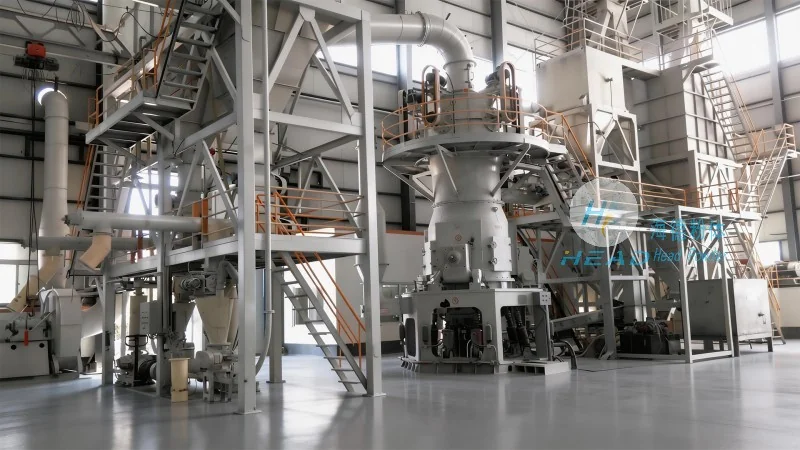
Thirdly, the principle of adaptability and flexibility is essential. Foamed plastic materials come in various shapes, sizes, and densities, and the system must be able to handle these variations. Designers incorporate adjustable components, such as variable-speed conveyors and customizable storage bins, to accommodate different material types. This flexibility allows the system to be used across multiple applications and industries, making it a versatile solution for material handling needs.
Fourthly, the principle of safety and reliability is a top priority. The system is designed with safety features to prevent accidents and ensure consistent performance. This includes sensors that detect jams or overloads, emergency stop buttons, and protective guards to prevent accidental contact with moving parts. Additionally, the materials used in the system are selected for their durability and resistance to wear and tear, ensuring long-term reliability and reducing maintenance costs.
Applications and Benefits of Foamed Plastic Material Handling Systems
Foamed plastic material handling systems are widely used in various industries due to their ability to handle lightweight, delicate materials efficiently. Some common applications include:
1. Packaging Industry: In the packaging sector, foamed plastics are used as cushioning materials to protect products during shipping. The material handling system ensures that these lightweight, porous materials are loaded into packaging machines or storage areas without damage. This helps maintain the integrity of the packaging and reduces the risk of product damage during transit.
2. Construction Industry: In construction, foamed plastics are used as insulation materials or lightweight fillers. The system is used to transport these materials to construction sites, ensuring they are delivered in a controlled manner and stored properly. This helps improve construction efficiency and reduces the time and cost associated with material handling.
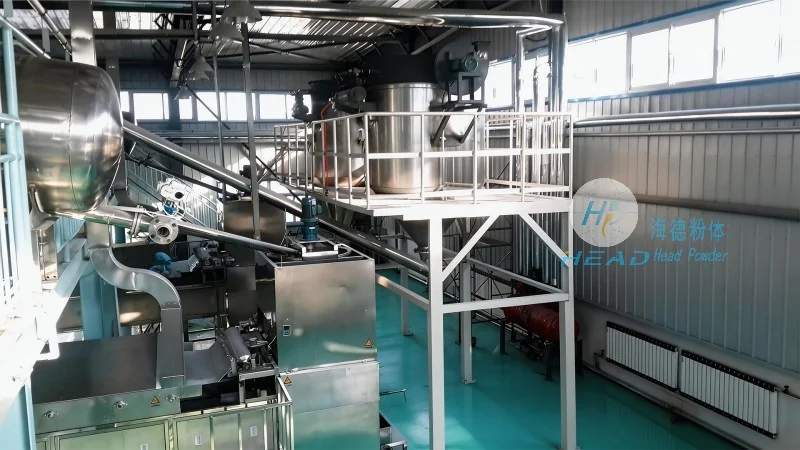
3. Manufacturing Industry: In manufacturing, foamed plastics are used in various applications, such as soundproofing, thermal insulation, and lightweight components. The material handling system ensures that these materials are transported from storage to production lines without damage, maintaining their quality and performance.
4. Automotive Industry: The automotive industry uses foamed plastics for interior components, such as seat cushions and soundproofing materials. The system is designed to handle these materials efficiently, ensuring they are delivered to the assembly line in a timely and damage-free manner.
By leveraging the design principles and components discussed above, foamed plastic material handling systems offer several benefits, including improved material quality, increased operational efficiency, reduced downtime, and enhanced safety. These systems are a critical investment for companies dealing with foamed plastics, as they help streamline operations and maintain the integrity of the materials throughout the handling process.
Conclusion
A foamed plastic material handling system is a sophisticated and specialized setup designed to efficiently transport, store, and manage lightweight, porous plastic materials. The design principles, components, and applications of such systems are tailored to meet the unique challenges of handling foamed plastics, ensuring that the materials remain intact and functional throughout the process. Companies like Shandong HeadPowder Engineering Co., Ltd., based in China, specialize in developing and manufacturing these systems, providing tailored solutions to meet the diverse needs of various industries. By investing in a well-designed foamed plastic material handling system, businesses can enhance their operational efficiency, reduce costs, and maintain the quality of their materials, ultimately contributing to their overall success.