

What is a Sintered Dust Material Conveying System? What are its Design Principles?
Understanding the sintered dust material conveying system is crucial for industries dealing with fine particulate materials, especially in processes like sintering. This system is engineered to efficiently transport sintered dust, a byproduct or raw material in various industrial applications. The design principles behind such systems are centered on optimizing material handling, ensuring minimal loss, and maintaining operational efficiency.
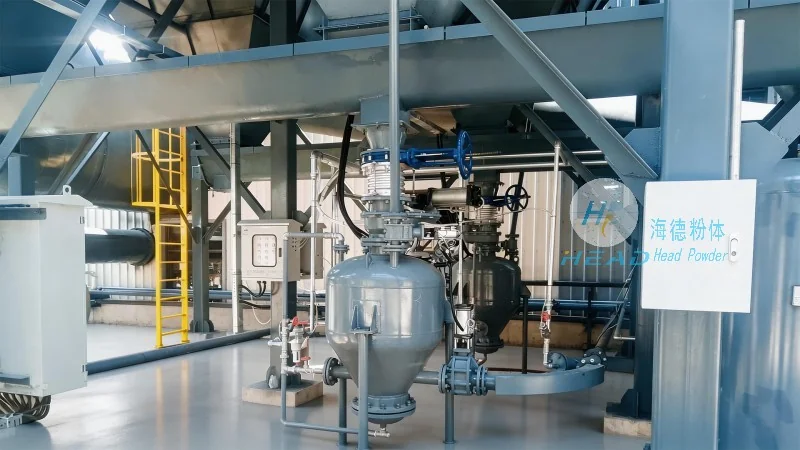
Key Components and Design Principles
The design of a sintered dust material conveying system typically involves several critical components that work in tandem to achieve effective material transport. These include dust collection hoppers, conveyor belts or screw conveyors, dust filtration units, and control systems. The system is designed to handle the unique properties of sintered dust, which may vary in particle size, moisture content, and chemical composition. The design principles focus on ensuring that the system can handle these variations without compromising performance. For instance, the conveyor design may incorporate special materials to prevent dust adhesion or corrosion, and the filtration system is tailored to capture fine particles while allowing air to be recirculated or expelled safely.
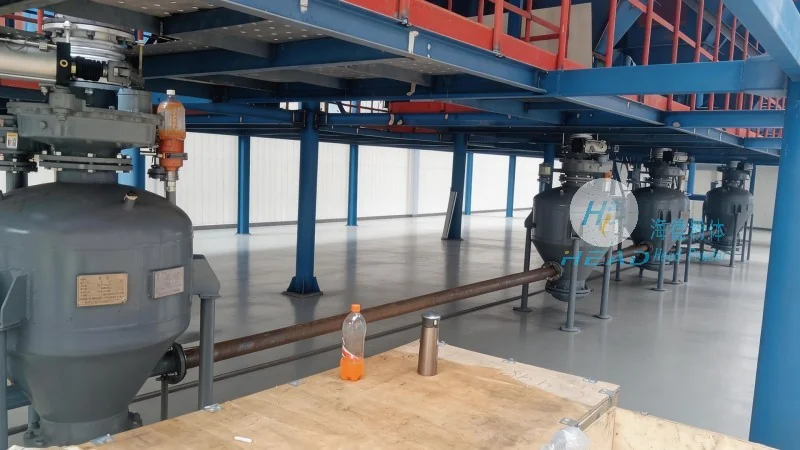
HeadPowder's Expertise in Sintered Dust Conveying Solutions
Shandong HeadPowder Engineering Co., Ltd., a leading provider of material handling solutions, specializes in designing and manufacturing sintered dust material conveying systems. With years of experience in the industry, HeadPowder has developed systems that meet the specific needs of clients across various sectors, including metallurgy, chemical processing, and environmental management. The company's approach to system design emphasizes durability, efficiency, and compliance with industry standards. Each system is customized based on the client's operational requirements, such as the volume of material to be transported, the distance of transport, and the environmental regulations in the region. HeadPowder's engineers work closely with clients to understand their unique challenges and provide tailored solutions that enhance productivity and reduce operational costs.
Addressing Common Challenges in Sintered Dust Handling
Handling sintered dust presents several challenges, including dust explosion risks, material degradation, and equipment wear. The sintered dust material conveying system is designed to mitigate these risks through advanced engineering. For example, the system may include explosion-proof components and dust suppression mechanisms to prevent accidents. Additionally, the conveyor and filtration systems are built to withstand the abrasive nature of sintered dust, ensuring long-term reliability. The design also considers the environmental impact, with features that minimize dust emissions and ensure compliance with local regulations. By addressing these challenges, the system not only improves operational safety but also enhances the overall sustainability of the industrial process.
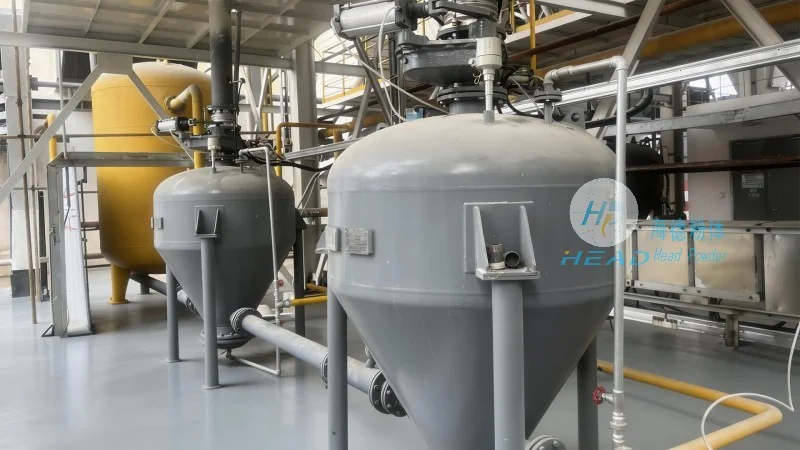
Conclusion and Contact Information
Sintered dust material conveying systems are essential for industries that rely on efficient material handling. The design principles behind these systems focus on optimizing performance, ensuring safety, and reducing operational costs. Shandong HeadPowder Engineering Co., Ltd. offers comprehensive solutions tailored to meet the specific needs of clients, with a commitment to quality and innovation. For more information about sintered dust material conveying systems or to discuss your specific requirements, please contact us at our office in Shandong, China.