

What is a Crystal Granular Material Conveying System? What are its Design Principles?
Crystal granular material conveying systems are specialized industrial equipment designed to transport and handle crystalline or granular materials efficiently. These systems are crucial in various industries, including chemical processing, pharmaceuticals, food processing, and mining, where the reliable movement of such materials is essential for production continuity and operational efficiency.
Understanding the Core Components of a Crystal Granular Material Conveying System
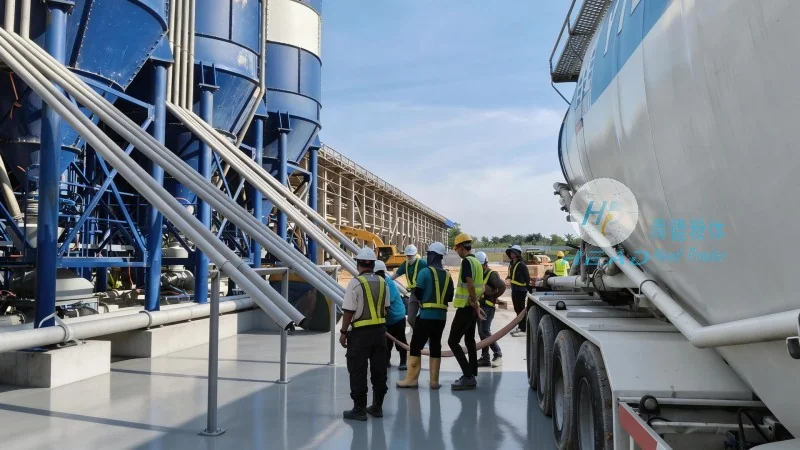
A typical crystal granular material conveying system comprises several key components that work in harmony to ensure smooth material handling. The primary elements include a hopper or feed hopper for material storage and feeding, a conveyor mechanism (such as screw conveyors, belt conveyors, or pneumatic systems), and control systems for regulating the flow and speed of material transport. Additionally, these systems may incorporate accessories like rotary valves, gates, and sensors to enhance precision and safety during operation.
The Fundamental Design Principles Behind Crystal Granular Material Conveying Systems
The design of a crystal granular material conveying system is guided by several critical principles aimed at optimizing performance, durability, and material integrity. One of the most important principles is the consideration of material properties, including particle size, density, moisture content, and flow characteristics. Engineers must account for these factors to select the appropriate conveyor type and design parameters that prevent issues like clogging, blockage, or material degradation. Another key principle is the emphasis on mechanical strength and corrosion resistance, as many crystalline materials are chemically active and may require materials like stainless steel or special coatings for the conveyor components. Furthermore, the design must prioritize energy efficiency and operational reliability, ensuring that the system can handle continuous or high-volume material transport without frequent maintenance or downtime.
HeadPowder's Expertise in Crystal Granular Material Conveying System Design
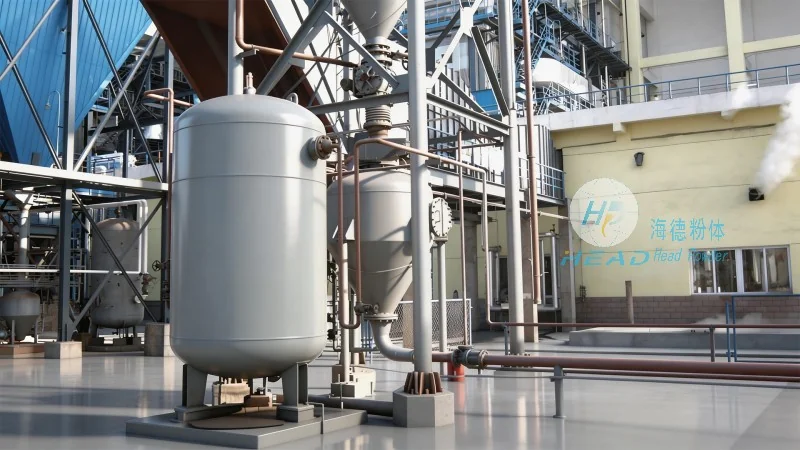
Shandong HeadPowder Engineering Co., Ltd., commonly known as HeadPowder, is a leading manufacturer specializing in the design, development, and manufacturing of advanced material handling solutions. With a strong presence in China, particularly in Shandong, HeadPowder has built a reputation for delivering high-quality, customized conveying systems tailored to the unique needs of clients across diverse industries. The company's engineering team leverages extensive experience and cutting-edge technology to create systems that meet stringent industry standards while ensuring optimal performance and longevity. HeadPowder's commitment to innovation and customer satisfaction has made it a trusted partner for businesses seeking reliable and efficient crystal granular material conveying solutions.
Key Features and Advantages of Crystal Granular Material Conveying Systems
Crystal granular material conveying systems offer several advantages that make them indispensable in modern industrial operations. These systems are designed to handle a wide range of materials, from fine powders to larger granules, with minimal loss or degradation. The controlled flow and gentle handling reduce the risk of material breakage or contamination, which is critical in applications like pharmaceuticals or food processing where product quality is paramount. Additionally, the systems are highly customizable, allowing manufacturers to adapt the design to specific production requirements, such as varying throughput rates or material types. This flexibility ensures that clients can optimize their operations while maintaining cost-effectiveness and operational efficiency. Furthermore, the integration of advanced control systems enables precise monitoring and adjustment of the conveying process, enhancing overall system performance and reducing the likelihood of operational errors.
Applications and Industries Benefiting from Crystal Granular Material Conveying Systems
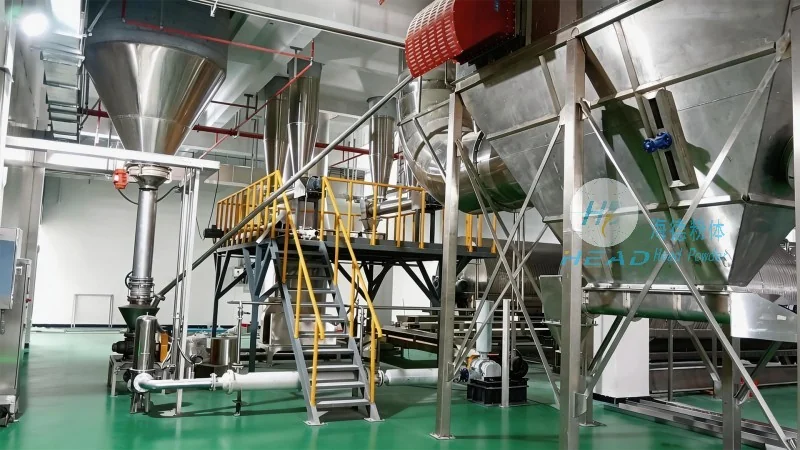
The versatility of crystal granular material conveying systems makes them applicable across numerous industries. In the chemical industry, these systems are used to transport raw materials and finished products, facilitating smooth production workflows. In the pharmaceutical sector, they play a vital role in handling active pharmaceutical ingredients (APIs) and other sensitive materials, ensuring compliance with strict quality and safety regulations. The food processing industry also relies on these systems for transporting ingredients like sugar, flour, or spices, maintaining hygiene and product integrity. Additionally, in the mining and mineral processing industries, crystal granular material conveying systems are used to move ore and other materials from processing plants to storage or further processing stages. The consistent and reliable operation of these systems is essential for maintaining production schedules and meeting market demands.
Ensuring Reliability and Longevity in Crystal Granular Material Conveying Systems
Reliability and longevity are paramount considerations when designing and operating crystal granular material conveying systems. Manufacturers, such as HeadPowder, focus on using high-quality materials and robust construction to ensure that the systems can withstand the demands of continuous operation. Regular maintenance and proper operation are also critical to extending the lifespan of the equipment. The integration of sensors and monitoring systems allows for real-time detection of potential issues, enabling timely interventions to prevent system failures. Additionally, the design of the conveying mechanism, such as the use of smooth surfaces and appropriate angles, minimizes the risk of material buildup and clogging, which can lead to operational disruptions. By adhering to these principles, businesses can ensure that their crystal granular material conveying systems operate efficiently and reliably for extended periods, minimizing downtime and maximizing productivity.