

What is a Dry Yeast Material Handling System? And What Are Its Design Principles?
Understanding the dry yeast material handling system is crucial for industries that rely on efficient and reliable transportation of yeast products. This system is specifically designed to handle dry yeast, a vital ingredient in various food and beverage applications, ensuring that the product remains in optimal condition throughout the handling process. The design principles behind such systems are centered on maintaining product integrity, controlling moisture levels, and ensuring consistent flow and distribution.
Introduction to Dry Yeast Material Handling Systems
A dry yeast material handling system is a specialized equipment setup used to transport, store, and distribute dry yeast. These systems are essential in breweries, bakeries, and other food processing facilities where yeast is a key component in fermentation and leavening processes. The primary goal of these systems is to maintain the quality and functionality of the yeast, which can be sensitive to environmental factors like humidity and temperature. By using a dedicated handling system, manufacturers can minimize product degradation and ensure that the yeast remains viable for its intended use.
HeadPowder: A Leading Provider of Material Handling Solutions
Shandong HeadPowder Engineering Co., Ltd., commonly known as HeadPowder, is a prominent company in the field of material handling solutions. With a focus on industrial equipment tailored for the food and beverage industry, HeadPowder specializes in designing and manufacturing systems that meet the unique requirements of handling dry yeast and other sensitive materials. The company's expertise lies in creating robust, efficient, and hygienic systems that adhere to industry standards and regulatory requirements. HeadPowder's commitment to quality and innovation has made it a trusted partner for businesses seeking reliable material handling solutions for their yeast processing operations.
Design Principles of Dry Yeast Material Handling Systems
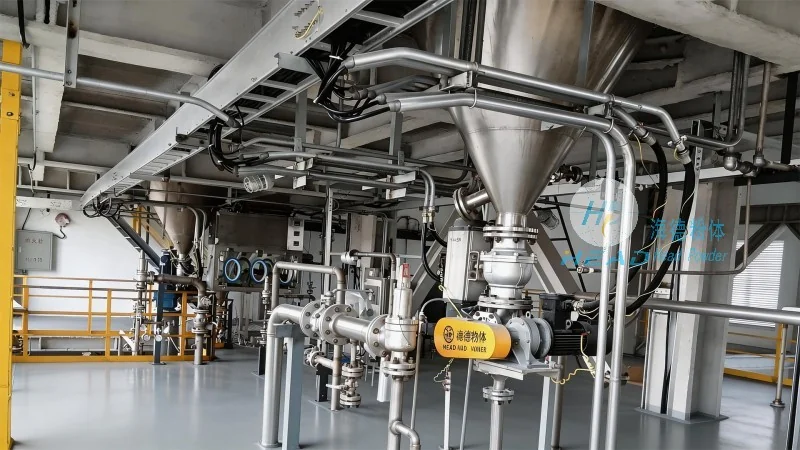
The design of a dry yeast material handling system follows several key principles to ensure optimal performance and product preservation. One of the most critical aspects is the control of moisture and humidity. Dry yeast is hygroscopic, meaning it absorbs moisture from the air, which can lead to clumping, caking, and reduced activity. Therefore, the system must incorporate features such as sealed containers, moisture-resistant materials, and controlled environment chambers to prevent moisture ingress. Additionally, the system is designed to minimize air exposure, as oxygen can also affect yeast viability. By using airtight seals and enclosed conveyor systems, the handling process reduces the risk of contamination and product degradation.
Another important design principle is the maintenance of consistent flow and pressure. The system is engineered to ensure that the dry yeast moves smoothly through the handling process without blockages or uneven distribution. This is achieved through the use of specialized conveyors, such as screw conveyors or pneumatic systems, which are designed to handle dry, powdery materials efficiently. The design also considers the need for gentle handling to prevent damage to the yeast cells, as excessive force or impact can reduce their viability. By using low-speed, smooth-moving components, the system preserves the integrity of the yeast, ensuring that it remains active and effective for its intended applications.
Key Components and Functionalities
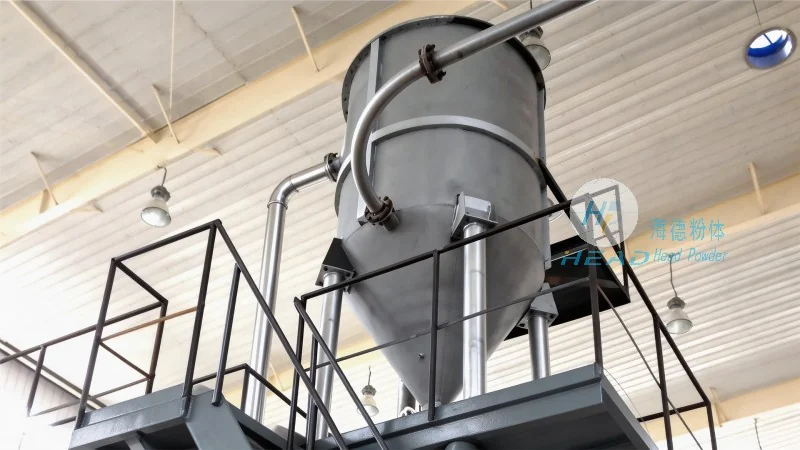
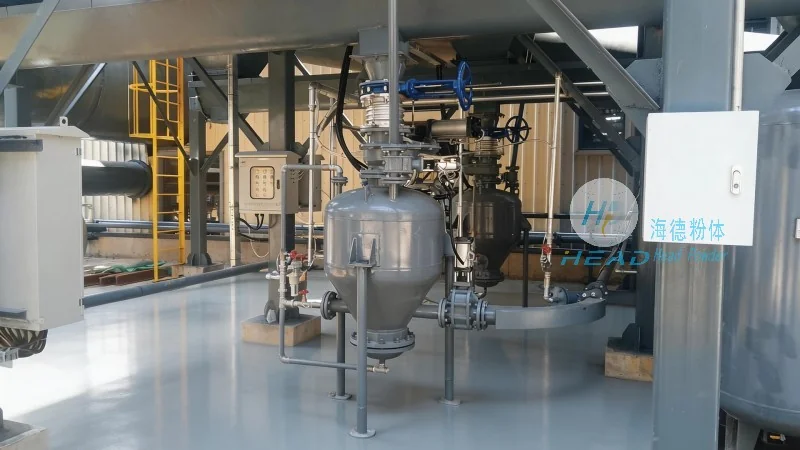
A typical dry yeast material handling system consists of several key components that work together to achieve efficient and reliable operation. These components include storage silos or hoppers, which are designed to hold large quantities of dry yeast while maintaining its quality. The storage vessels are often made of stainless steel or other corrosion-resistant materials to prevent contamination and ensure durability. From the storage silos, the yeast is transferred to the conveying system, which may include screw conveyors, belt conveyors, or pneumatic transport lines. These conveyors are designed to move the yeast from the storage area to the processing or packaging areas with minimal loss and maximum efficiency.
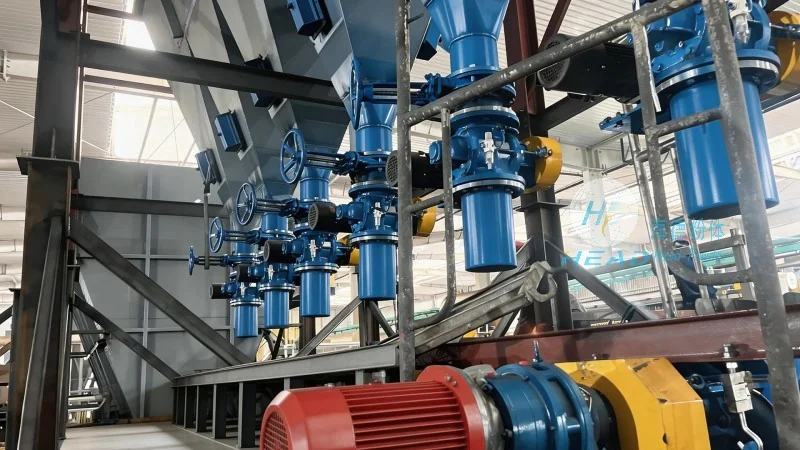
The system also includes feeding mechanisms, such as rotary valves or metering devices, which control the flow rate of the yeast. These components ensure that the correct amount of yeast is dispensed for each batch or production run, maintaining consistency in the final product. Additionally, the system may incorporate dust collection and filtration systems to manage airborne particles and maintain a clean working environment. These features are particularly important in food processing facilities, where hygiene and safety are paramount. By integrating these components, the dry yeast material handling system provides a comprehensive solution for the entire handling process, from storage to distribution.
Benefits and Applications
The implementation of a dry yeast material handling system offers numerous benefits to businesses in the food and beverage industry. One of the primary advantages is the improved product quality and consistency. By maintaining optimal conditions during handling, the system ensures that the yeast remains active and effective, leading to better fermentation results and higher-quality end products. Additionally, the system enhances operational efficiency by streamlining the handling process, reducing downtime, and minimizing waste. This leads to cost savings and increased productivity for the company.
The dry yeast material handling system is widely used in various applications, including beer brewing, bread making, and other fermentation processes. In breweries, the system is used to transport yeast from storage to the fermentation tanks, ensuring that the yeast is delivered in the correct quantity and condition. In bakeries, the system helps in distributing yeast evenly to the dough, which is crucial for achieving the desired texture and rise. The system's ability to handle large volumes of dry yeast also makes it suitable for industrial-scale production, where efficiency and consistency are critical. Overall, the dry yeast material handling system plays a vital role in ensuring the quality and reliability of yeast products, supporting the success of businesses in the food and beverage sector.