

What is a Biomass Material Handling System? And What Are Its Design Principles?
Understanding biomass material handling systems is crucial for industries that rely on processing organic materials such as wood chips, agricultural residues, and other renewable resources. These systems are designed to efficiently transport, store, and manage biomass, which is a key component in the production of biofuels, power generation, and various industrial applications. The design of such systems involves careful consideration of material properties, operational requirements, and environmental factors to ensure optimal performance and sustainability.
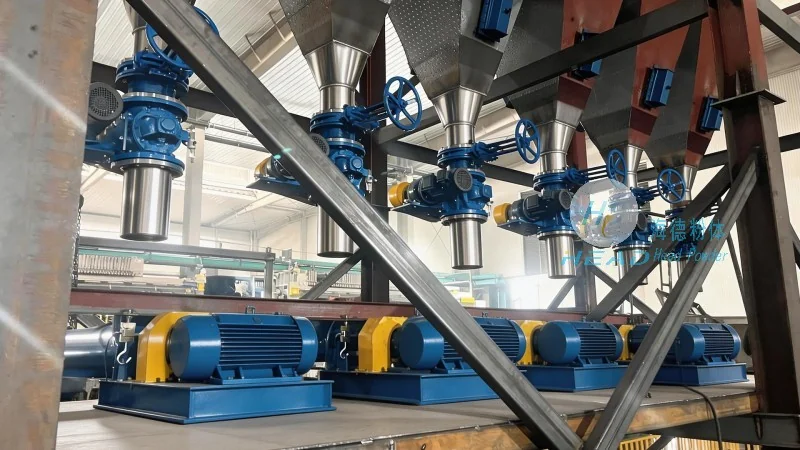
Key Components of Biomass Material Handling Systems
A typical biomass material handling system comprises several critical components that work in tandem to facilitate the movement and processing of biomass. The primary components include feeders, conveyors, storage silos, and processing equipment. Feeders are responsible for delivering biomass from storage to the processing line, often using mechanisms like screw conveyors or belt feeders. Conveyors, such as belt or chain conveyors, transport the biomass over longer distances with minimal energy loss. Storage silos or bunkers are used to store large quantities of biomass, ensuring a steady supply for continuous operation. Processing equipment, like grinders or crushers, may be integrated to prepare the biomass for further use, such as in combustion or gasification processes.
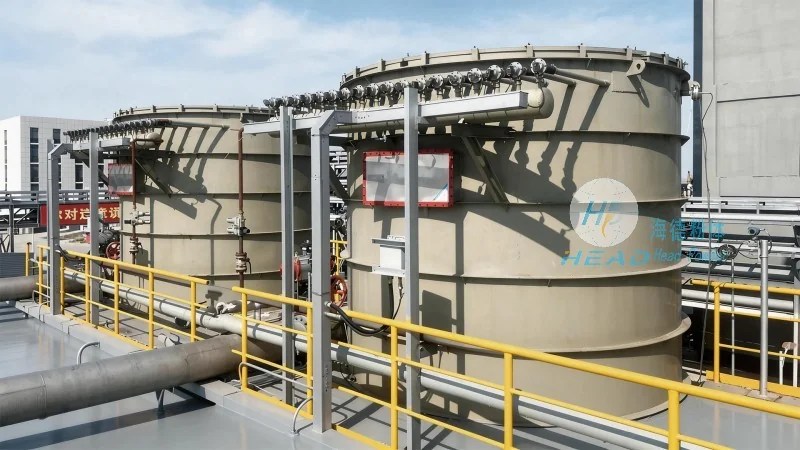
Design Principles for Efficient Biomass Handling
The design principles of biomass material handling systems focus on maximizing efficiency, minimizing energy consumption, and ensuring safety. One of the key principles is the selection of appropriate equipment based on the physical properties of the biomass, including moisture content, particle size, and bulk density. For example, wet or sticky biomass may require specialized feeders with adjustable speed controls to prevent blockages. Another important principle is the integration of automation and control systems to monitor and regulate the flow of materials. This includes sensors for level detection, temperature monitoring, and speed control of conveyors, which help maintain consistent operation and prevent system failures. Additionally, the design considers space constraints and operational flexibility, allowing for easy maintenance and upgrades as needed.
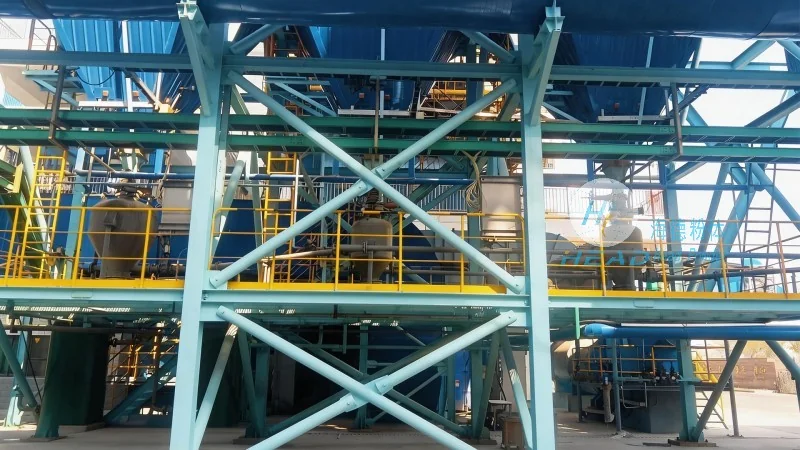
Headpowder's Expertise in Biomass Material Handling Solutions
Shandong HeadPowder Engineering Co., Ltd., commonly known as Headpowder, is a leading provider of specialized equipment and systems for biomass material handling. With a strong presence in China, particularly in Shandong, the company has built a reputation for delivering high-quality, customized solutions tailored to the unique needs of its clients. Headpowder's team of engineers and technicians leverages advanced technology and years of industry experience to design and manufacture systems that meet the highest standards of efficiency and reliability. The company's products are designed to handle a wide range of biomass types, from wood chips to agricultural residues, ensuring versatility and adaptability for various applications. By focusing on innovation and customer satisfaction, Headpowder has become a trusted partner for industries seeking to optimize their biomass processing operations.
Benefits of Implementing Biomass Material Handling Systems
Adopting a well-designed biomass material handling system offers numerous benefits for businesses in the renewable energy and industrial sectors. Firstly, it enhances operational efficiency by streamlining the movement of materials from storage to processing, reducing downtime and increasing throughput. This leads to lower production costs and higher profitability. Secondly, efficient handling systems minimize material loss and degradation, preserving the quality of the biomass for downstream processes. This is particularly important for biomass used in power generation, where consistent fuel quality is essential for optimal performance. Thirdly, such systems contribute to sustainability by enabling the efficient use of renewable resources, reducing reliance on fossil fuels and lowering carbon emissions. Finally, the integration of automation and control systems improves safety in the workplace by minimizing manual handling and reducing the risk of accidents.
Conclusion
In conclusion, biomass material handling systems are essential for the efficient processing and utilization of renewable resources. The design principles that guide these systems, including material-specific equipment selection, automation, and operational flexibility, are critical to achieving optimal performance. Companies like Shandong HeadPowder Engineering Co., Ltd. play a vital role in providing the expertise and technology needed to implement effective biomass handling solutions. By investing in well-designed systems, industries can enhance their operational efficiency, reduce costs, and contribute to a more sustainable future.