

What is a Petroleum Coke Material Handling System? What Are Its Design Principles?
As a key industrial raw material, petroleum coke plays a crucial role in various sectors such as steelmaking, carbon products, and chemical manufacturing. The efficient handling and transportation of petroleum coke are essential to ensure smooth production processes and minimize operational disruptions. A petroleum coke material handling system is a specialized setup designed to manage the entire lifecycle of petroleum coke, from storage and loading to transportation and unloading. This system integrates multiple components, including storage silos, conveyor belts, feeding mechanisms, and control systems, to achieve safe, reliable, and high-efficiency material flow.
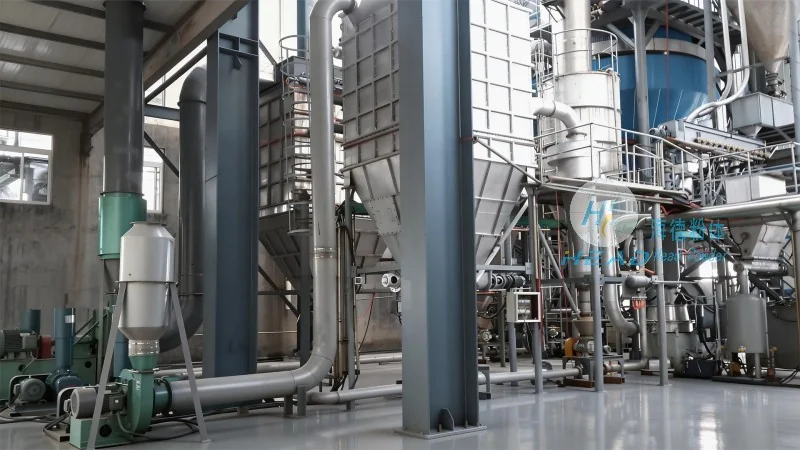
Understanding the Petroleum Coke Material Handling System
The petroleum coke material handling system is engineered to address the unique challenges posed by petroleum coke's physical properties. Petroleum coke is typically a dense, brittle solid with a high bulk density, which requires specialized equipment to handle without degradation or damage. The system's design considers factors such as the coke's particle size distribution, moisture content, and potential for dust generation. By incorporating advanced materials and engineering solutions, the system ensures that petroleum coke is transported with minimal loss, contamination, or operational hazards.
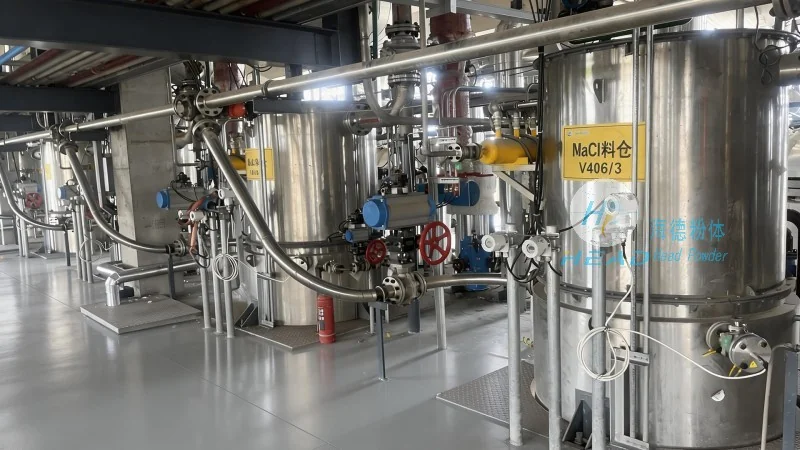
Key Design Principles for Petroleum Coke Material Handling
The design of a petroleum coke material handling system adheres to several core principles to optimize performance and safety. First, the system must prioritize material integrity, as petroleum coke is prone to breakage during handling. This is achieved through the use of robust conveyor belts, impact-resistant chutes, and gentle feeding mechanisms that minimize mechanical stress. Second, energy efficiency is a critical consideration, as the system may operate continuously over long periods. Engineers design the system to balance throughput with low power consumption, often incorporating variable speed drives and energy recovery systems. Third, safety is paramount due to the potential for dust explosions and the need for secure handling. The system includes dust suppression systems, explosion-proof components, and automated safety interlocks to protect personnel and equipment.
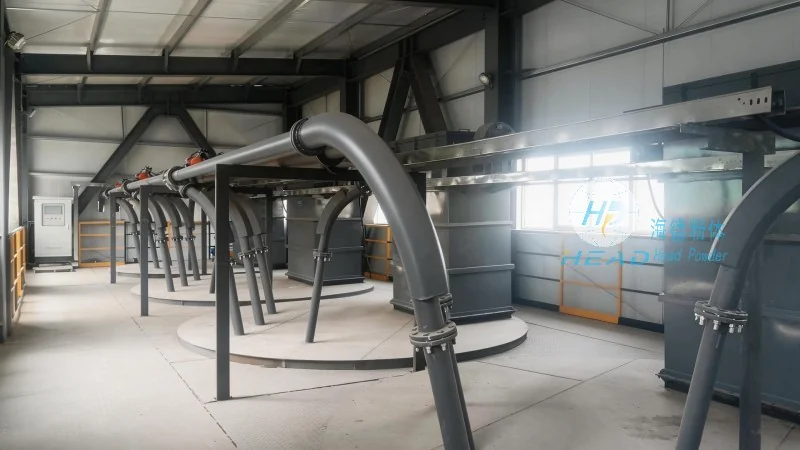
Components and Functionality of the Material Handling System
A typical petroleum coke material handling system consists of several interconnected components, each playing a vital role in the overall operation. The storage silo is the primary container for bulk petroleum coke, designed to hold large quantities while maintaining material quality. The silo's design may include internal agitators or air cannons to prevent caking and ensure uniform material flow. The loading system, often integrated with the silo, uses a rotary valve or screw feeder to transfer coke from the silo to the conveyor belt. The conveyor belt itself is a heavy-duty, high-capacity system, typically made of rubber or steel, capable of handling the high weight and abrasive nature of petroleum coke. The unloading system at the destination end may include a discharge hopper or a receiving silo, which further processes the coke for downstream applications.
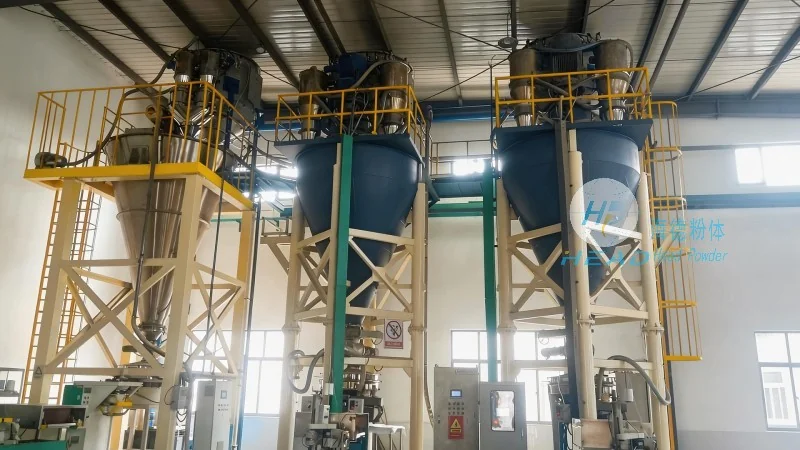
Engineering Expertise from Shandong HeadPowder Engineering Co., Ltd.
Shandong HeadPowder Engineering Co., Ltd., a leading provider in the field, brings extensive expertise to the design and implementation of petroleum coke material handling systems. With years of experience in industrial material handling, the company understands the specific demands of petroleum coke and tailors solutions to meet client requirements. Their engineering team employs advanced computational fluid dynamics (CFD) and finite element analysis (FEA) to simulate and optimize system performance before construction. This approach ensures that the final system not only meets operational specifications but also adheres to safety standards and regulatory requirements. The company's commitment to quality and customer satisfaction is reflected in their comprehensive service, which includes system design, installation, and long-term maintenance support.