

What is a Calcined Sand Material Handling System? What Are Its Design Principles?
Calcined sand, a critical material in diverse industrial applications, demands efficient and reliable handling systems to ensure seamless production processes. This article explores the calcined sand material handling system, its design principles, and the key factors that contribute to its effectiveness in industrial settings.
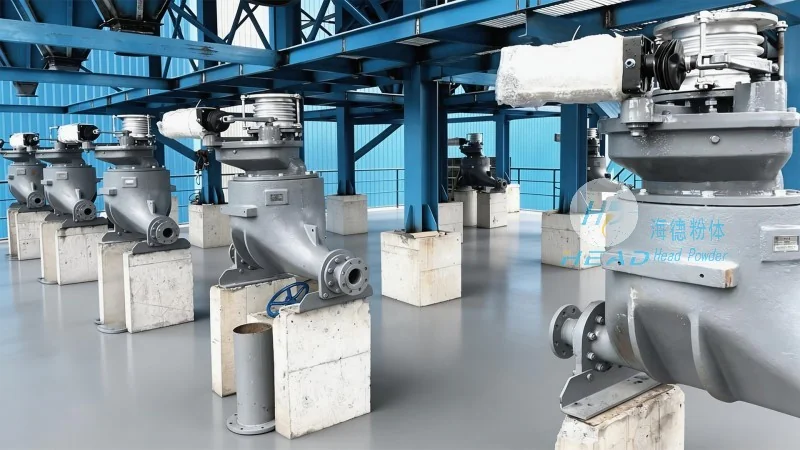
Understanding Calcined Sand and Its Handling Requirements
Calcined sand is a type of sand that undergoes high-temperature heating (typically above 1000°C) to remove moisture and organic impurities. This process enhances its properties, making it suitable for applications such as refractory materials, glass manufacturing, and foundry work. Due to its importance in these industries, the efficient transportation and storage of calcined sand are vital to maintaining production efficiency and product quality.
The Role of Material Handling Systems in Industrial Operations
In industrial environments, material handling systems are essential for moving raw materials, intermediate products, and finished goods between locations. For calcined sand, which is often in bulk form and can be abrasive or dusty, specialized systems are required to ensure safe and efficient handling. These systems not only improve operational efficiency but also enhance workplace safety by reducing manual handling and minimizing accident risks.
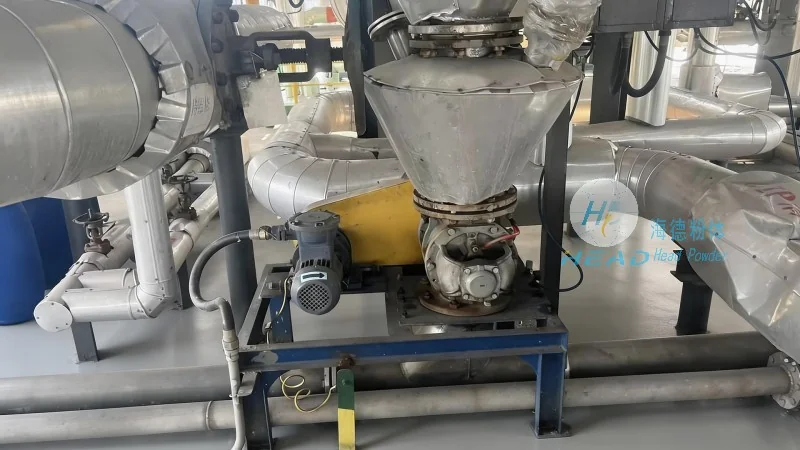
Design Principles of Calcined Sand Material Handling Systems
The design of a calcined sand material handling system involves several key principles aimed at optimizing performance, durability, and safety. First, the system must accommodate the specific characteristics of calcined sand, such as particle size, density, and abrasiveness. This often requires robust equipment like conveyor belts, screw conveyors, or pneumatic systems that can withstand the material's properties without excessive wear.
Second, the system should prioritize high efficiency and low maintenance. This includes selecting appropriate materials for components in contact with the sand, such as stainless steel or high-grade alloys, to prevent corrosion and wear. Additionally, the system's layout should be optimized to minimize material handling distances and reduce energy consumption, thereby lowering operational costs.
Third, safety is a paramount consideration in system design. This includes implementing dust collection systems to control airborne particles, proper ventilation to maintain air quality, and safety guards to protect operators from moving parts. The system should also be designed to prevent material spillage and blockages, which can lead to production downtime and safety hazards.
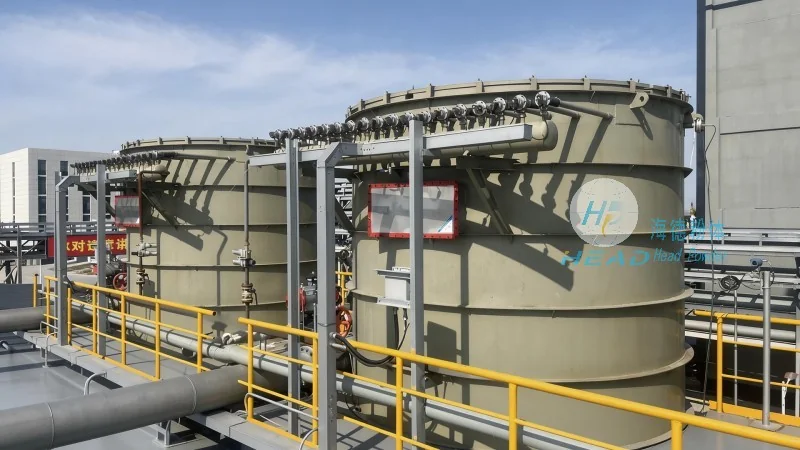
Key Components of a Calcined Sand Material Handling System
A typical calcined sand material handling system consists of several components that work in tandem to transport the material. These components include feeders, conveyors, storage silos, and discharge mechanisms. Feeders regulate the flow of calcined sand from the source to the conveyor system, ensuring a consistent and controlled feed rate. Conveyors, such as belt conveyors or screw conveyors, move the sand horizontally or vertically based on facility layout.
Storage silos are used to store large quantities of calcined sand, providing a buffer between production and processing stages. These silos are designed to prevent material degradation and maintain consistent quality. Discharge mechanisms, like rotary valves or gate valves, control the release of the sand from the silo to processing equipment, ensuring a smooth and controlled flow.
HeadPowder: A Leader in Engineering Solutions for Material Handling
Shandong HeadPowder Engineering Co., Ltd., a prominent company based in China, specializes in designing, manufacturing, and installing material handling systems for industries using calcined sand. With years of experience and a commitment to quality, HeadPowder provides customized solutions tailored to each client's specific needs. The company's expertise in engineering and material science allows it to develop systems that are efficient, durable, safe, and cost-effective.
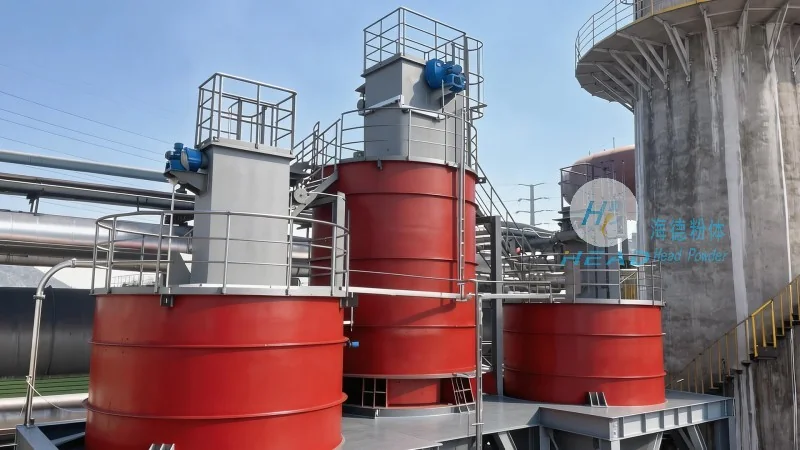
HeadPowder's team collaborates closely with clients to understand production requirements and design systems that meet their needs. The company utilizes advanced technology and materials to ensure its systems meet the highest performance and reliability standards. Whether it's a new system installation or upgrading an existing one, HeadPowder offers comprehensive support throughout the entire process.
Conclusion: The Importance of Effective Calcined Sand Handling Systems
In conclusion, the calcined sand material handling system is vital to the efficient and safe operation of industrial facilities that use this material. By understanding design principles and key components, industries can improve production processes, reduce costs, and enhance workplace safety. Companies like Shandong HeadPowder Engineering Co., Ltd. play a crucial role in providing the expertise and solutions needed to implement effective material handling systems for calcined sand, ensuring the success and sustainability of industrial operations.