

Working Principle and Features of Ferric Sulfate Material Conveying Line
HeadPowder, a leading engineering company based in Shandong, China, specializes in the design, manufacturing, and installation of specialized material handling systems. Our core product, the Ferric Sulfate Material Conveying Line, is engineered to efficiently transport ferric sulfate, a critical chemical widely used in water treatment, industrial processes, and environmental applications. This system combines advanced engineering with robust construction to ensure reliable operation in demanding industrial environments.
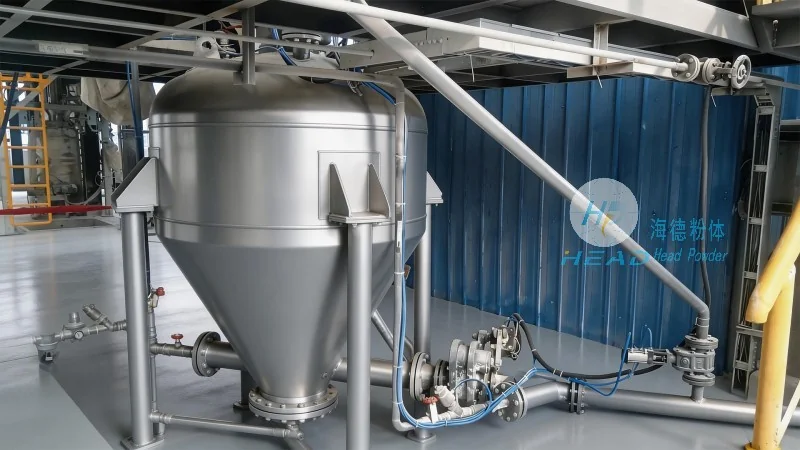
Introduction to Ferric Sulfate Material Conveying Line
The Ferric Sulfate Material Conveying Line is a specialized system developed by Shandong HeadPowder Engineering Co., Ltd. to address the unique challenges of transporting ferric sulfate, a fine, hygroscopic powder that requires precise handling to maintain its quality and prevent caking or degradation. HeadPowder's expertise in material handling technology ensures that this line is tailored to meet the specific needs of clients, whether for bulk production, storage, or distribution. The system integrates various components such as feeders, conveyors, and control systems to create a seamless workflow for ferric sulfate handling.
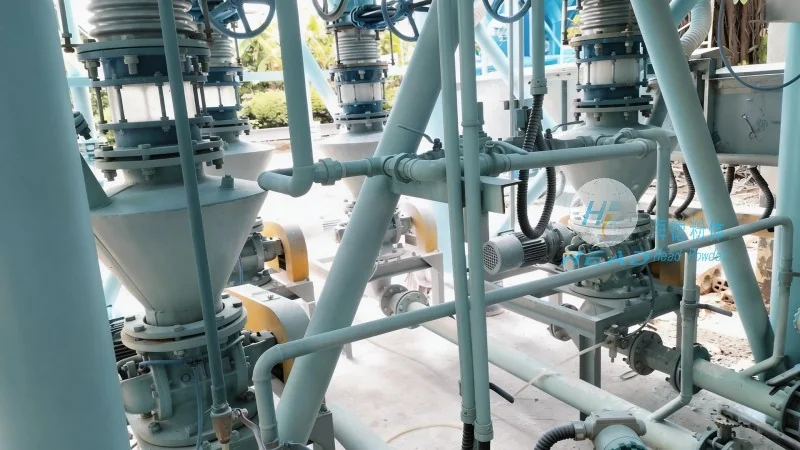
Working Principle of the Ferric Sulfate Material Conveying Line
The operation of the Ferric Sulfate Material Conveying Line is based on a systematic process that ensures efficient and safe material transport. The system typically begins with a feeding hopper that receives ferric sulfate from storage silos or bulk containers. A rotary feeder or screw conveyor then regulates the flow of the material into the primary conveyor, which may be a belt conveyor or a chain conveyor depending on the application. The conveyor system transports the ferric sulfate to the desired destination, such as a processing unit, storage tank, or packaging area. Control systems, including variable frequency drives (VFDs) and sensors, monitor the flow rate, speed, and pressure to maintain optimal performance. The entire process is designed to minimize material loss, prevent dust generation, and ensure consistent product quality.
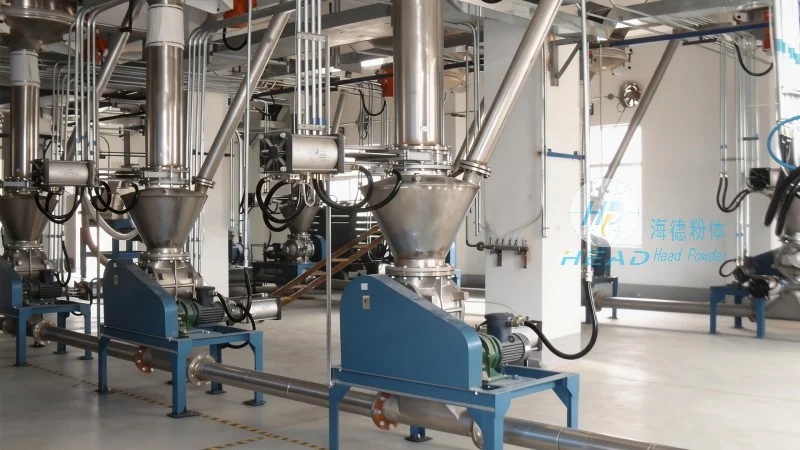
Key Features and Advantages of the Ferric Sulfate Material Conveying Line
HeadPowder's Ferric Sulfate Material Conveying Line is distinguished by several key features that enhance its performance and reliability. Firstly, the system is constructed with corrosion-resistant materials, such as stainless steel or coated steel, to withstand the acidic properties of ferric sulfate and prevent equipment degradation over time. This ensures long-term durability and reduces maintenance costs. Secondly, the design incorporates dust suppression mechanisms, including enclosed conveyor systems and air filtration units, to minimize environmental contamination and comply with industrial safety standards. Thirdly, the system is equipped with advanced control technology, allowing for real-time monitoring and adjustment of operational parameters. This enables operators to optimize the system's performance based on production demands and material characteristics. Additionally, the system is designed for easy integration with existing industrial infrastructure, reducing installation time and complexity. The result is a reliable, efficient, and cost-effective solution for ferric sulfate handling that meets the highest industry standards.
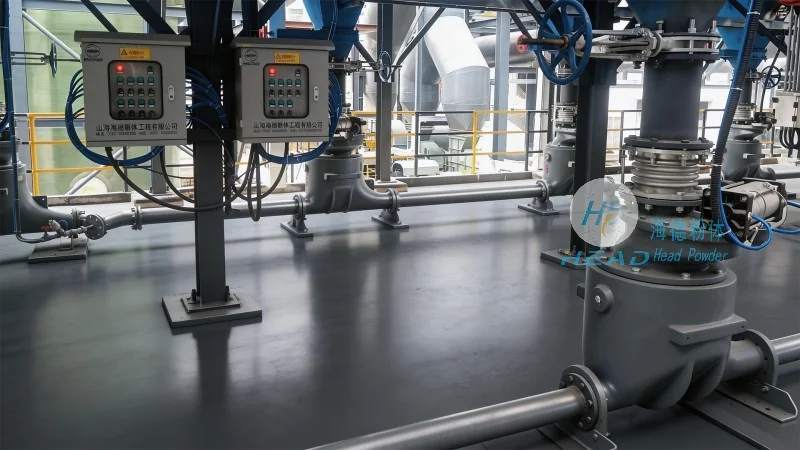
Application Scenarios and Benefits
The Ferric Sulfate Material Conveying Line is widely used in various industrial sectors, including water treatment plants, chemical manufacturing facilities, and environmental remediation projects. In water treatment, ferric sulfate is used as a coagulant to remove suspended solids and impurities from water, making the system essential for maintaining water quality. In chemical manufacturing, the line facilitates the transport of ferric sulfate to processing units, where it is used in the production of other chemicals or as a raw material. The benefits of using this system include improved operational efficiency, reduced labor costs, and enhanced safety for workers. By automating the material handling process, the line minimizes the risk of accidents and ensures consistent product quality, which is critical for meeting regulatory requirements and customer expectations.