

Principle and Working Scene Characteristics of Vacuum Powder Feeding and Conveying Lines
HeadPowder, a leading manufacturer in the field of powder handling equipment, specializes in providing advanced vacuum powder feeding and conveying solutions. Based in Shandong, China, the company has established itself as a trusted partner for industries requiring efficient and reliable powder transfer systems. This article delves into the fundamental principles behind vacuum powder feeding lines and highlights the key characteristics of their working scenarios, offering insights into how these systems enhance operational efficiency across various industrial applications.
Understanding the Core Principles of Vacuum Powder Feeding Lines
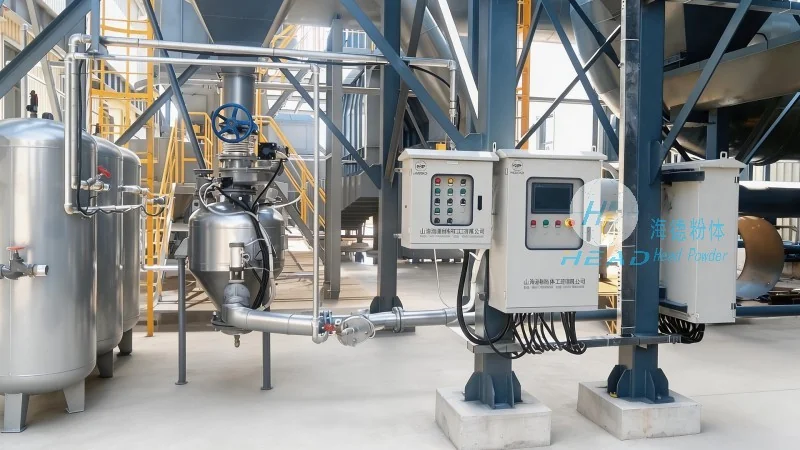
The vacuum powder feeding line operates on the principle of creating a pressure differential between the material container and the receiving vessel. By generating a negative pressure (vacuum) in the conveying line, the system draws powder particles from the source into the pipeline. This process relies on the combination of air movement and the physical properties of the powder, such as particle size, density, and flowability. The vacuum system typically includes a vacuum pump, a filter to prevent dust from entering the system, and a control unit that regulates the flow rate and pressure. The design of the feeding hopper and the placement of the suction nozzle are critical factors that influence the efficiency of powder transfer. Properly positioned nozzles ensure consistent material flow, while the hopper's design minimizes particle agglomeration and ensures smooth feeding. The vacuum pump's capacity must be matched to the material's characteristics and the required conveying distance to maintain optimal performance.
Key Working Scene Characteristics of Vacuum Powder Feeding Lines
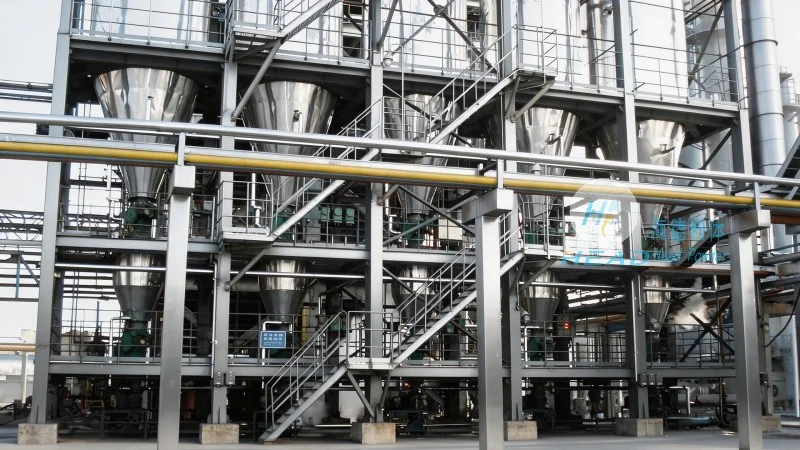
HeadPowder's vacuum powder feeding lines are designed to address the diverse needs of industrial environments. The working scenarios are characterized by several key features that enhance their adaptability and effectiveness. Firstly, the systems are suitable for a wide range of powder types, including fine powders, granules, and bulk materials. This versatility allows them to be used in applications such as pharmaceutical manufacturing, food processing, chemical production, and material handling in research laboratories. The ability to handle different particle sizes and densities ensures that the line can be customized to meet specific operational requirements. Secondly, the vacuum feeding process is highly efficient in terms of energy consumption and material usage. Unlike mechanical conveying methods, which may require high pressure or mechanical force, vacuum systems operate with lower energy input, making them more cost-effective and environmentally friendly. The reduced wear and tear on components also contribute to lower maintenance costs over the system's lifespan. Thirdly, the working scenarios often involve long-distance conveying, as the vacuum system can effectively transport materials over several meters or even tens of meters without significant loss of performance. This makes it ideal for applications where the source and destination are separated by distance, such as in large-scale production facilities. The system's ability to maintain a consistent flow rate and pressure ensures that the material reaches the destination without clogging or degradation. Additionally, the vacuum feeding line is designed for easy integration into existing production lines. The modular design allows for quick installation and adjustment, minimizing downtime during setup. The control system provides real-time monitoring of pressure, flow rate, and material level, enabling operators to adjust the process parameters as needed to maintain optimal performance. This flexibility is crucial in dynamic industrial environments where production demands may change frequently.
Application Examples and Operational Benefits
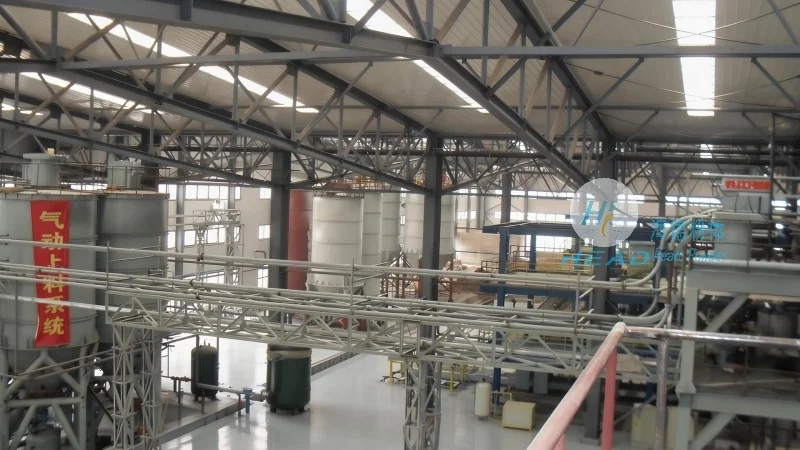
HeadPowder's vacuum powder feeding lines have been successfully implemented in various industrial settings, demonstrating their practical utility and operational benefits. For instance, in pharmaceutical manufacturing, the system is used to transfer active pharmaceutical ingredients (APIs) and excipients with high precision and minimal contamination. The vacuum feeding process ensures that the powders are handled gently, preventing agglomeration and maintaining the product's quality. In food processing, the system is employed to convey ingredients such as flour, sugar, and spices, ensuring that the materials are transferred hygienically and without cross-contamination. The ability to handle fine powders and maintain a clean environment is critical in the food industry, where regulatory compliance is paramount. In chemical production, the vacuum feeding line is used to transfer raw materials and intermediates, improving the efficiency of the production process. The consistent flow rate and pressure control help to reduce material waste and increase throughput. The system's reliability and low maintenance requirements also contribute to higher overall equipment effectiveness (OEE). In research laboratories, the vacuum feeding line is used for precise dosing of powders in experiments, allowing for accurate and repeatable results. The compact design and easy integration make it suitable for laboratory settings where space is limited. Overall, the operational benefits of HeadPowder's vacuum powder feeding lines include improved productivity, reduced material loss, enhanced product quality, and lower operational costs. The systems are designed to be durable and long-lasting, with components that are resistant to corrosion and wear, ensuring that they can withstand the demands of continuous industrial use.
Conclusion and Future Outlook
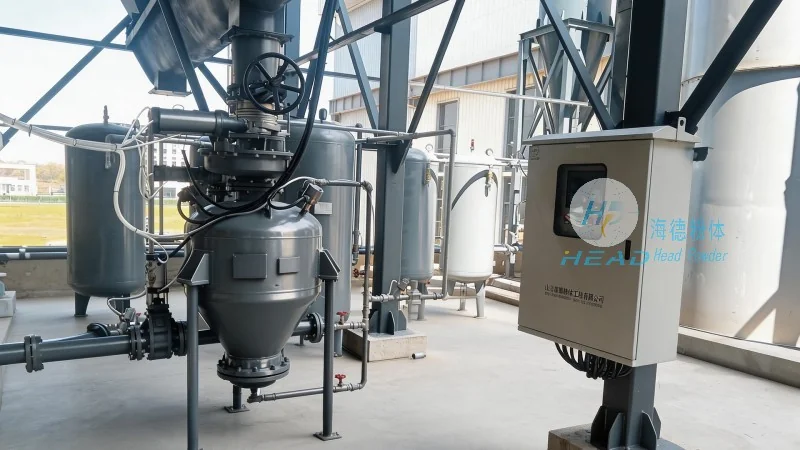
HeadPowder's vacuum powder feeding and conveying lines represent a sophisticated solution for efficient powder handling in modern industrial applications. By understanding the core principles and working scene characteristics, industries can leverage these systems to enhance their operational efficiency and product quality. The company's commitment to innovation and quality ensures that their products remain at the forefront of powder handling technology. As industries continue to demand more efficient and reliable material transfer solutions, vacuum powder feeding lines will likely play an increasingly important role in various sectors. HeadPowder's expertise and experience in this field position them as a key player in providing customized solutions that meet the evolving needs of their clients. With a focus on performance, durability, and user-friendly design, the company is well-positioned to continue leading the way in the development of advanced powder handling systems.