

Principles and Application Scenarios of Industrial Alkali Powder Conveying Lines
HeadPowder, a leading provider in the field of industrial material handling solutions, specializes in the design, manufacturing, and implementation of advanced conveying systems for alkaline powders. With a strong presence in Shandong, China, the company has built a reputation for delivering reliable and efficient equipment tailored to the unique demands of various industrial sectors. This article explores the fundamental principles behind industrial alkali powder conveying lines and highlights the key characteristics of their operational scenarios.
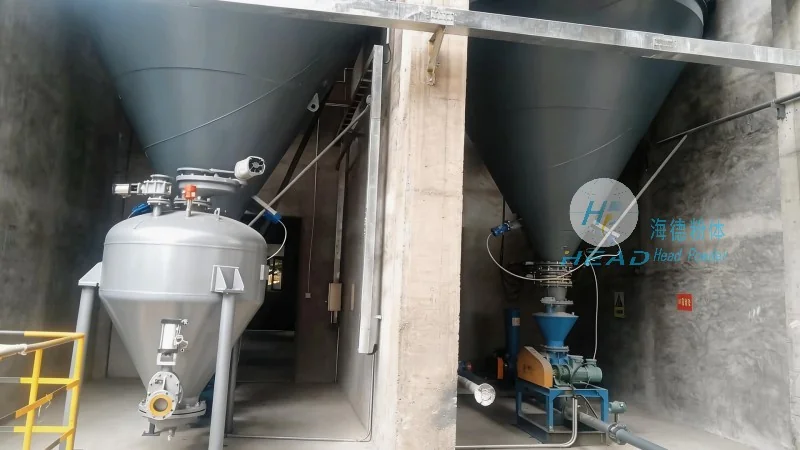
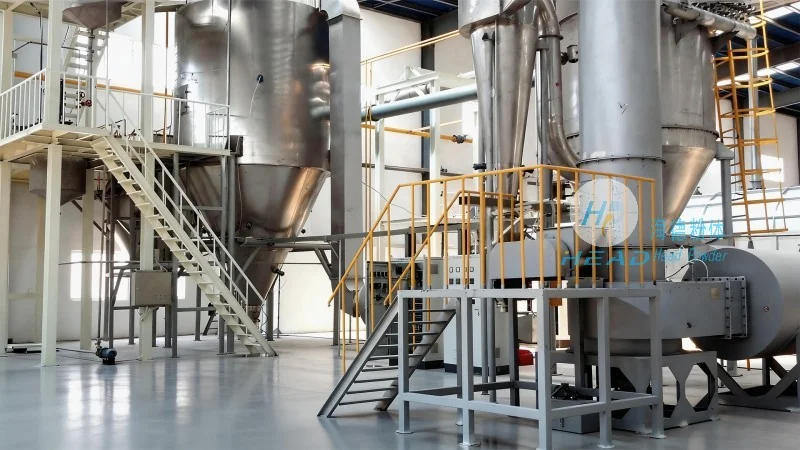
Principles of Industrial Alkali Powder Conveying Systems
The core of an industrial alkali powder conveying line lies in its ability to transport fine, often hygroscopic or reactive powders safely and efficiently. These systems typically integrate several critical components, including feeders, conveyors, and control mechanisms, all engineered to maintain product integrity while ensuring operational safety. For alkaline powders, which may be corrosive or reactive to moisture and air, the design emphasizes sealed environments, dust containment, and material compatibility. Common technologies employed include screw conveyors, pneumatic conveying systems, and bucket elevators, each chosen based on factors such as material characteristics, production scale, and environmental constraints. The principle of continuous flow, with minimal material residence time, is crucial to prevent degradation or caking, which can compromise product quality and system performance.
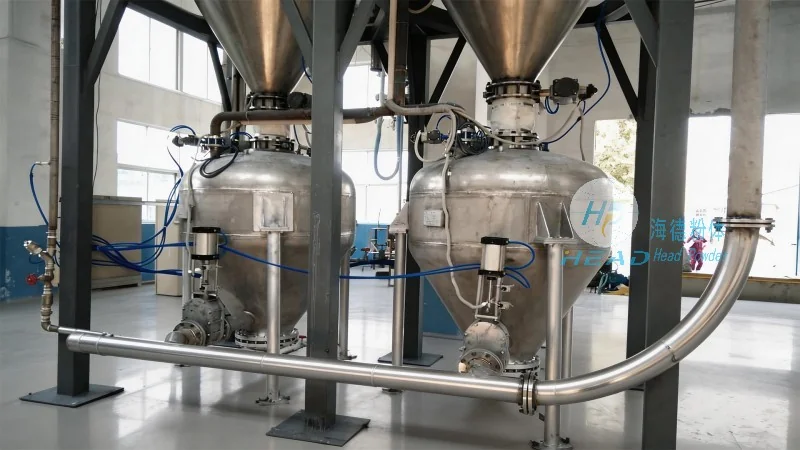
Key Operational Scenarios and Application Characteristics
Industrial alkali powder conveying lines are deployed across diverse industrial applications, each presenting distinct requirements that influence system design and functionality. In the chemical industry, for instance, these systems often handle caustic soda or other reactive alkaline compounds, where precision dosing and strict contamination control are paramount. The operational scenario here demands high-accuracy feeding mechanisms and robust sealing to prevent chemical exposure and cross-contamination. In pharmaceutical manufacturing, the focus shifts to maintaining sterile and hygienic conditions, requiring systems with easy-to-clean surfaces, minimal dead zones, and integrated cleaning protocols. The food processing sector, when dealing with alkaline additives, emphasizes compliance with food safety regulations, necessitating materials like stainless steel and aseptic design to ensure product purity and consumer safety.
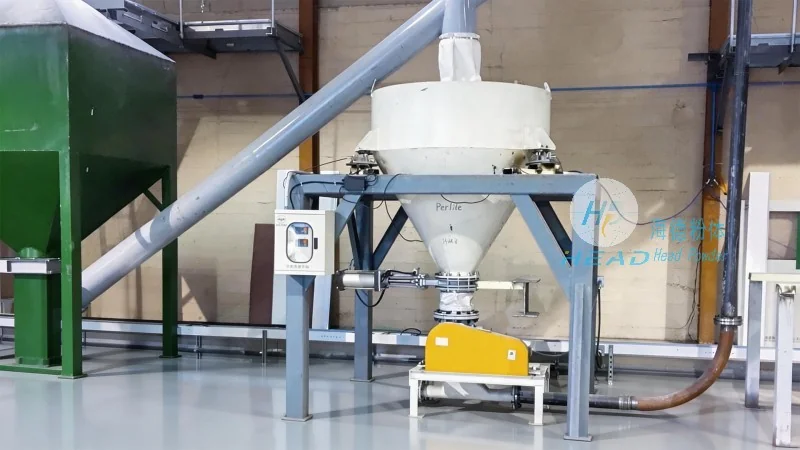
Customization and Advanced Features for Optimal Performance
HeadPowder Engineering Co., Ltd. recognizes that no two industrial applications are identical, which is why their conveying systems are designed with flexibility and adaptability in mind. The company offers customized solutions that can integrate various technologies, such as combination screw and pneumatic systems, to address complex material handling challenges. Advanced features like variable speed drives, real-time monitoring, and automated control panels enhance operational efficiency and reduce downtime. Moreover, the systems are engineered to meet specific industry standards, including safety certifications and environmental regulations, ensuring compliance and reliability. By prioritizing user needs and material-specific requirements, HeadPowder delivers conveying lines that not only meet but often exceed industry expectations, providing long-term value and performance in demanding operational environments.