

Principle and Working Scene Characteristics of Molybdenum Trioxide Powder Conveying Line
For industrial applications involving molybdenum trioxide (MoO₃) powder handling, efficient and reliable conveying systems are crucial to ensure smooth production processes. The Molybdenum Trioxide Powder Conveying Line, developed by Shandong HeadPowder Engineering Co., Ltd., is a specialized solution designed to meet the unique demands of transporting this high-purity powder. This article explores the underlying principles of the system and highlights its key working scene characteristics.
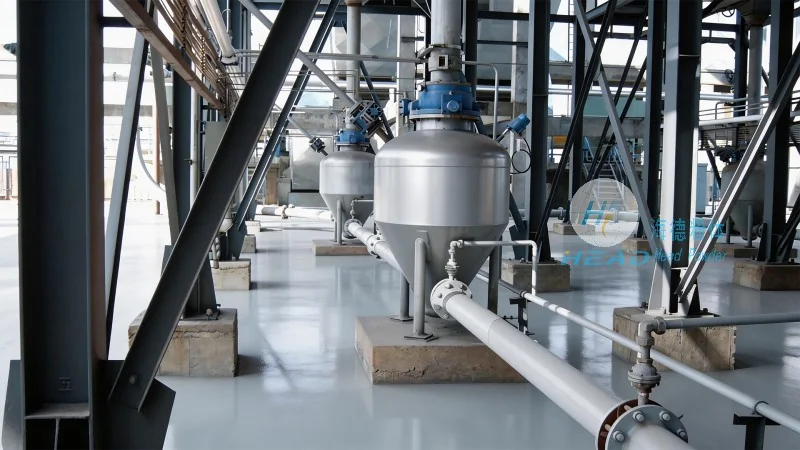
Overview of the Molybdenum Trioxide Powder Conveying Line
The Molybdenum Trioxide Powder Conveying Line is engineered to provide a seamless and controlled method for moving MoO₃ powder from storage or processing units to various destinations within a production facility. As a core component of powder handling infrastructure, this line integrates advanced technologies to ensure minimal product degradation, consistent flow rates, and optimal operational efficiency. HeadPowder, a leading provider in powder engineering solutions, has optimized this system to address the specific challenges associated with handling molybdenum trioxide, a material widely used in electronics, catalysts, and other high-tech industries.
Principle of Operation
The conveying line operates on the principle of pneumatic or mechanical transport, depending on the specific requirements of the application. For molybdenum trioxide, which is often handled in a dry, fine-particle form, a combination of vacuum-assisted pneumatic conveying and mechanical screw or belt systems is commonly employed. The system typically includes a hopper for material storage, a feeder to regulate the flow rate, a conveying pipe network, and a discharge unit at the destination. The vacuum or pressure differential created within the system pulls or pushes the powder through the pipes, ensuring a continuous and controlled movement. Key components such as rotary valves, filters, and dust collectors are integrated to maintain the purity of the powder and protect the system from contamination. The design emphasizes low shear and minimal particle breakage, which is critical for maintaining the quality of MoO₃, especially when it is used in sensitive applications like semiconductor manufacturing.
Working Scene Characteristics
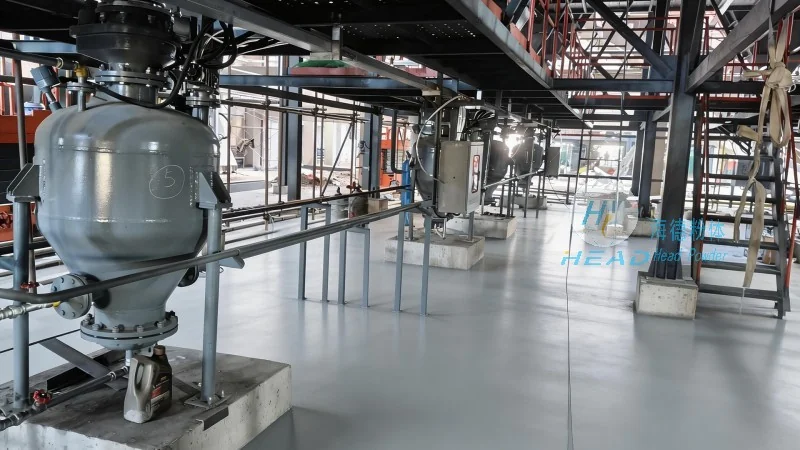
The working scene characteristics of the Molybdenum Trioxide Powder Conveying Line are tailored to the specific operational environments where it is deployed. These characteristics include:
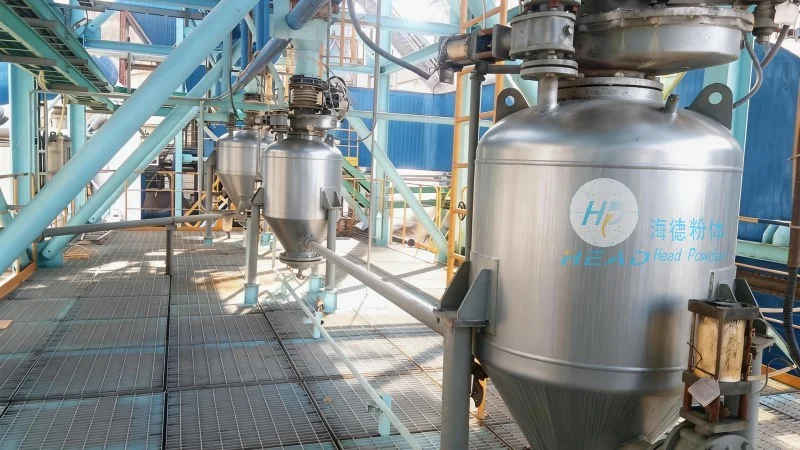
- High-Purity Handling: The system is designed to prevent cross-contamination and maintain the purity of molybdenum trioxide, which is essential for applications requiring high-quality materials. This is achieved through sealed components, filtered air systems, and careful material selection to avoid any interaction with the powder.
- Efficient Flow Control: The conveying line features advanced flow control mechanisms, such as variable-speed feeders and pressure sensors, to adjust the flow rate based on real-time operational needs. This ensures that the powder is conveyed at the optimal speed, reducing the risk of clogging or material degradation.
- Space Efficiency: The modular design of the conveying line allows for flexible installation in various production layouts, including compact areas where space is limited. This makes it suitable for both new installations and retrofitting existing facilities.
- Low Maintenance Requirements: The system incorporates durable materials and components that are resistant to corrosion and wear, minimizing the need for frequent maintenance. This reduces downtime and operational costs for the end-user.
- Safety and Compliance: The design adheres to industry safety standards and regulations, ensuring that the handling of molybdenum trioxide is performed in a safe manner. This includes features like explosion-proof components and emergency shut-off systems to protect personnel and equipment.
Application Scenarios
The Molybdenum Trioxide Powder Conveying Line is widely used in various industrial settings where molybdenum trioxide is processed or utilized. Some common application scenarios include:
- Electronics Manufacturing: In the production of electronic components, such as capacitors and resistors, molybdenum trioxide is used as a raw material. The conveying line efficiently transports the powder from storage to the production line, ensuring a consistent supply of high-purity material.
- Catalyst Production: Molybdenum trioxide is a key component in catalysts used in chemical processes. The system is used to move the powder from the catalyst preparation area to the reactor or other processing units, maintaining the integrity of the material.
- Pharmaceutical and Chemical Processing: In industries where molybdenum trioxide is used as an additive or catalyst in pharmaceutical formulations or chemical synthesis, the conveying line provides a clean and controlled method for handling the powder, preventing contamination and ensuring product quality.
- Research and Development Labs: For laboratories conducting experiments involving molybdenum trioxide, the system offers a precise and reliable way to transport small quantities of the powder, supporting research activities and product development.
Company Information
Shandong HeadPowder Engineering Co., Ltd., operating under the brand name HeadPowder, is a professional manufacturer and supplier of powder handling equipment. With a focus on innovation and customer-centric solutions, HeadPowder has established itself as a trusted partner in the powder engineering industry. The company is headquartered in Shandong, China, and provides comprehensive services including design, manufacturing, installation, and maintenance of conveying systems for various industrial applications. HeadPowder's expertise in handling specialty powders like molybdenum trioxide has enabled the development of advanced solutions that meet the stringent requirements of modern industrial processes.