

Principle and Working Scene Characteristics of Phenolic Resin Powder Conveying Lines
Phenolic resin powder conveying lines are essential industrial systems designed to transport fine phenolic resin powders efficiently and reliably. These lines are engineered to handle the unique properties of phenolic resin, including its fine particle size and potential for static charge, ensuring safe and consistent material transfer. The systems are typically integrated into manufacturing processes where phenolic resin is used as a key raw material for products like composites, adhesives, and coatings. By understanding the principle and working scene characteristics of these lines, industries can optimize their production workflows and enhance operational efficiency.
Introduction to Phenolic Resin Powder Conveying Lines
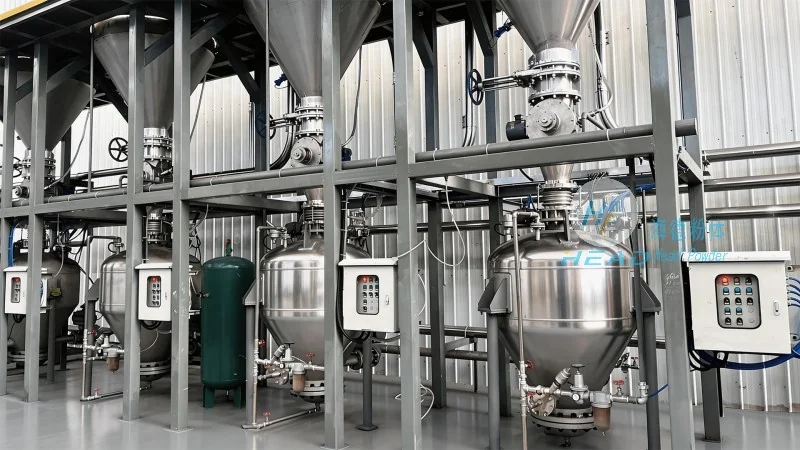
Shandong HeadPowder Engineering Co., Ltd., a leading manufacturer based in Shandong, China, specializes in developing advanced powder conveying solutions tailored to the demands of modern industrial applications. The company, commonly referred to as headpowder, has extensive experience in designing and implementing systems for handling various powders, with a particular focus on phenolic resin. The phenolic resin powder conveying line is a critical component in facilities that rely on phenolic resin as a raw material, as it ensures the resin is transported from storage to processing areas without loss or contamination.
The Core Principle of Phenolic Resin Powder Conveying Lines
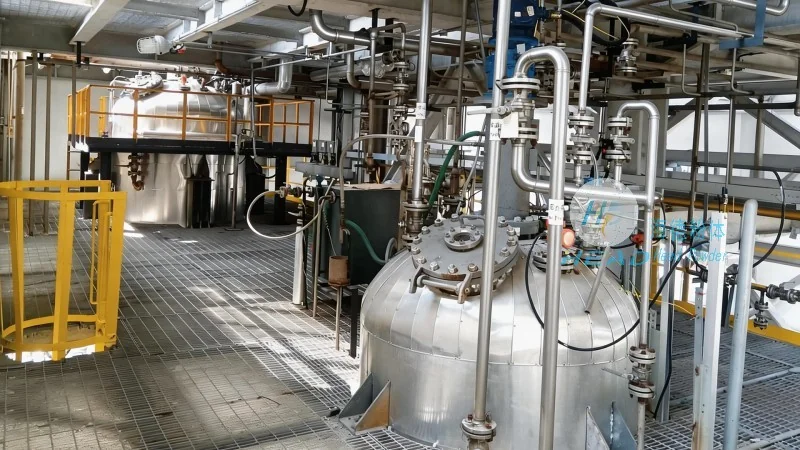
The fundamental principle of a phenolic resin powder conveying line revolves around the use of pneumatic or mechanical conveying methods to move fine powders through a network of pipes and components. The system typically consists of several key parts: a hopper for storing the resin powder, a feeder to control the flow rate, conveying pipes (often made of materials like stainless steel or plastic to prevent resin adhesion), and a control unit to regulate the operation. The process begins when the resin powder is loaded into the hopper. The feeder then dispenses the powder into the conveying system, which may use positive pressure (blowing air into the pipe) or negative pressure (suction) to move the material. The control unit monitors parameters such as pressure, flow rate, and temperature to maintain optimal conditions and prevent issues like blockages or overloading. This principle ensures that the phenolic resin is transported efficiently while preserving its quality and preventing contamination.
Working Scene Characteristics of Phenolic Resin Powder Conveying Lines
The working scene characteristics of phenolic resin powder conveying lines are shaped by the specific requirements of industrial environments where they are deployed. These characteristics include adaptability to different production scales, integration with existing manufacturing lines, and the ability to handle the resin's properties effectively. For example, in a composite manufacturing plant, the conveying line must be capable of transporting large quantities of phenolic resin to multiple processing stations without interruptions. The design of the line, including the selection of materials for the pipes and components, is critical to prevent the resin from adhering to surfaces, which could lead to clogging or reduced efficiency. Additionally, the line's control system allows for precise regulation of the flow rate, ensuring that the resin is delivered at the exact rate needed for each production step. This adaptability makes the phenolic resin powder conveying line a versatile solution for various industrial applications, from small-scale batch production to large-scale continuous manufacturing.
Key Features and Advantages of Phenolic Resin Powder Conveying Lines
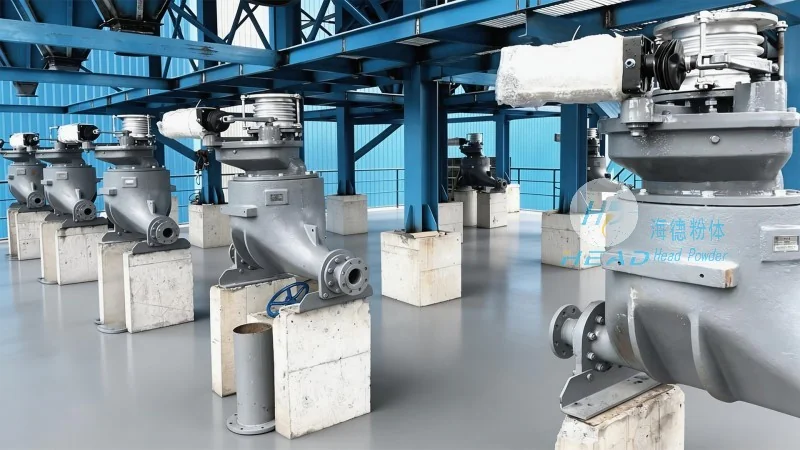
Phenolic resin powder conveying lines offer several key features and advantages that make them indispensable in industrial settings. One of the primary advantages is their ability to handle fine powders like phenolic resin without causing dust or contamination, which is crucial for maintaining product quality and safety standards. The systems are designed to minimize static charge buildup, which can be a common issue with resin powders and may lead to dust explosions or material loss. The use of advanced control technologies allows for real-time monitoring and adjustment of the conveying process, ensuring consistent performance and reducing downtime. Furthermore, the modular design of these lines enables easy installation and maintenance, reducing the overall operational costs for the facility. These features collectively contribute to improved productivity, reduced material waste, and enhanced safety in the workplace.