

What is a Styrene Material Handling System? And What Are Its Design Principles?
Styrene material handling systems are specialized industrial solutions designed to efficiently transport, store, and manage styrene, a crucial chemical used in various manufacturing processes. As a key component in the production of polymers, resins, and other materials, the proper handling of styrene is vital for maintaining operational efficiency, safety, and product quality. This article explores the fundamental aspects of styrene material handling systems, including their design principles and key components.
Understanding Styrene Material Handling Systems
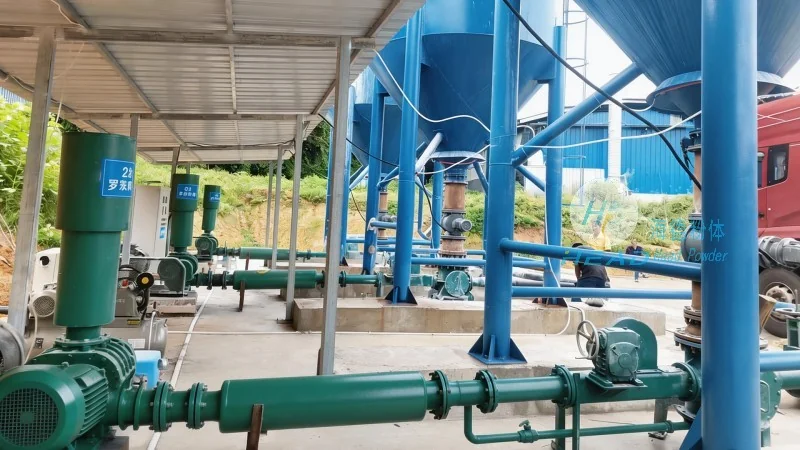
Styrene is a colorless liquid with a sweet, aromatic odor, widely used as a monomer in the synthesis of polystyrene and other styrene-based polymers. Due to its flammability and potential health hazards, handling styrene requires robust systems that ensure safe and reliable material flow. A styrene material handling system typically integrates several components, such as storage tanks, pumps, conveyors, and control systems, all working in tandem to optimize the movement of styrene from storage to processing units.
Key Design Principles for Styrene Handling Systems
The design of a styrene material handling system is guided by several critical principles aimed at ensuring safety, efficiency, and compliance with industry standards. First, safety is paramount, as styrene is a hazardous material. Systems must incorporate features like explosion-proof equipment, fire suppression systems, and proper ventilation to mitigate risks. Second, efficiency is crucial, as the system must minimize downtime and maximize throughput. This involves selecting appropriate equipment, such as high-capacity pumps and efficient conveyors, tailored to the specific flow rates and viscosity of styrene. Third, flexibility is important, as the system should be adaptable to varying production demands and potential changes in the manufacturing process. Finally, reliability is essential, as any disruption in the supply of styrene can halt production. Designers must ensure components are durable and maintain consistent performance over time.
Core Components of a Styrene Material Handling System
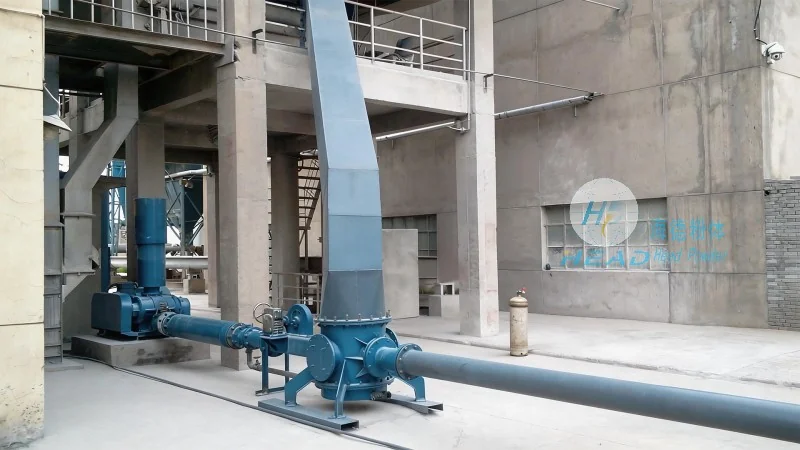
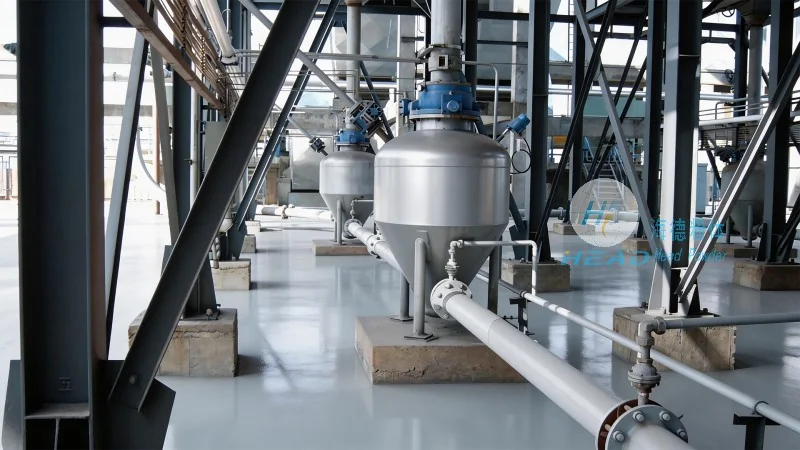
At the heart of a styrene material handling system are several key components that work together to facilitate the movement and storage of the material. The primary storage unit is often a large, insulated tank designed to maintain the temperature and pressure of styrene. These tanks are typically made of corrosion-resistant materials like stainless steel or lined with protective coatings to prevent chemical degradation. Pumps are used to transfer styrene from storage tanks to processing equipment. Centrifugal pumps or positive displacement pumps are commonly used, depending on the system's requirements. Conveyors, such as pneumatic or mechanical systems, may be employed to move styrene between different stages of the production line. Control systems, including sensors and automation software, monitor the system's performance, ensuring safe and efficient operation. These components are integrated into a cohesive system that can be managed and controlled from a central control panel.
The Role of Material Handling Systems in Styrene Production
Styrene material handling systems play a vital role in the overall production process, ensuring that styrene is available when needed and in the correct quantity. By efficiently moving styrene from storage to processing units, these systems help maintain a steady production flow, reducing bottlenecks and improving overall productivity. Additionally, well-designed systems minimize waste and contamination, which is critical for maintaining product quality. The integration of advanced control systems allows for real-time monitoring and adjustment, enabling operators to respond quickly to changes in demand or system performance. This level of control enhances the reliability of the production process and reduces the risk of accidents or equipment failure.
Company Introduction: Shandong HeadPowder Engineering Co., Ltd.
Shandong HeadPowder Engineering Co., Ltd., commonly known as HeadPowder, is a leading provider of specialized material handling solutions for the chemical and polymer industries. With a strong focus on innovation and customer satisfaction, HeadPowder has established itself as a trusted partner for companies requiring reliable and efficient systems for handling hazardous materials like styrene. The company's expertise lies in designing and manufacturing custom material handling systems tailored to the specific needs of each client, ensuring optimal performance and safety. HeadPowder's commitment to quality and adherence to industry standards has earned it a reputation for excellence in the field. Based in Shandong, China, HeadPowder leverages its local resources and expertise to deliver high-quality solutions that meet the demands of modern manufacturing.