

What is a Lithium Carbonate Material Handling System? And What Are Its Design Principles?
Lithium carbonate is a critical raw material in the production of lithium-ion batteries, which are integral to modern electronics and renewable energy storage solutions. The efficient handling and transportation of this material are essential for maintaining production efficiency and ensuring product quality. This article delves into the concept of a lithium carbonate material handling system and outlines the fundamental design principles that guide its development and implementation.
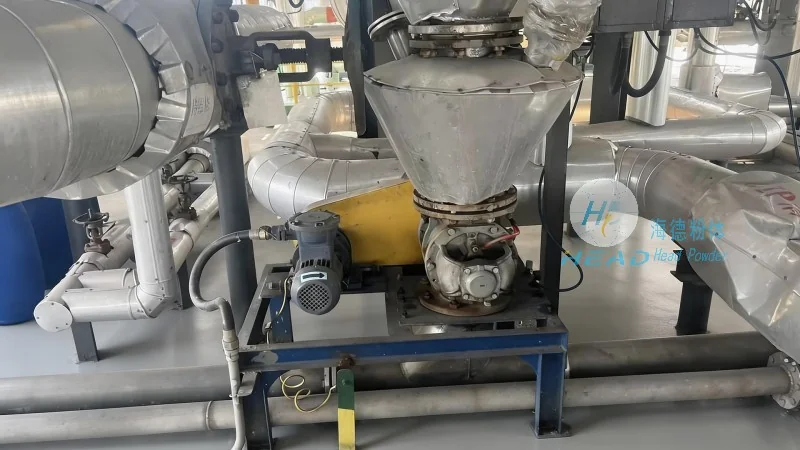
Understanding Lithium Carbonate Material Handling Systems
A lithium carbonate material handling system is a specialized industrial setup designed to manage the flow of lithium carbonate from its initial receipt to its final use in battery manufacturing processes. These systems integrate various components such as storage silos, conveyors, feeding mechanisms, and control systems to ensure a seamless and controlled material transfer. The primary goal is to minimize material loss, prevent contamination, and optimize the overall throughput of the production line.
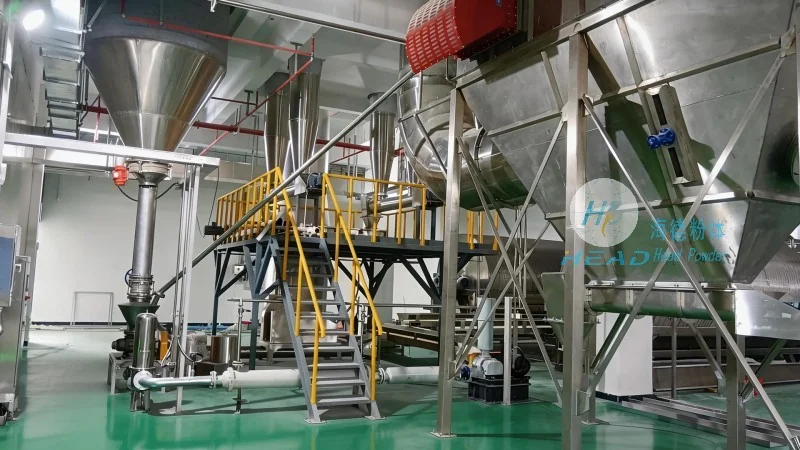
Key Components of a Lithium Carbonate Material Handling System
The effectiveness of a lithium carbonate material handling system relies on its integrated components, each serving a specific function in the material flow process. Storage silos are typically used to store bulk quantities of lithium carbonate, providing a stable and controlled environment that prevents moisture absorption and material degradation. Conveyors, including screw conveyors, belt conveyors, or pneumatic systems, are employed to transport the material from storage to processing units. Feeding mechanisms, such as rotary valves or metering devices, regulate the flow rate of the material to match the requirements of downstream equipment. Control systems, often integrated with sensors and automation technology, monitor and adjust the operation of the entire system to maintain optimal performance.
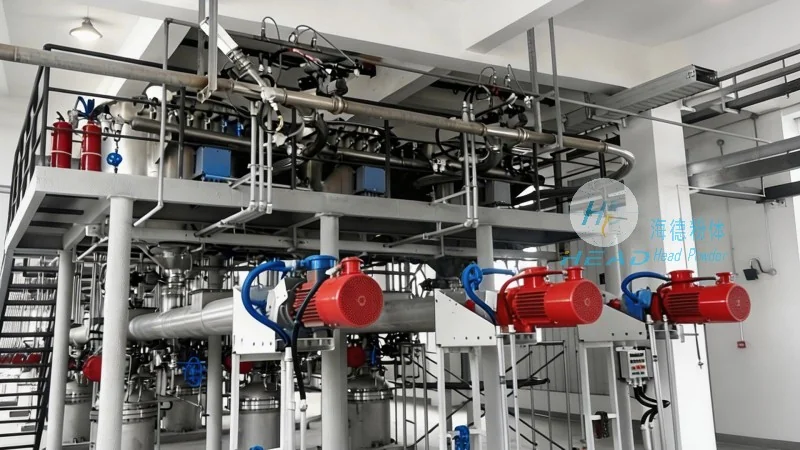
Design Principles for Lithium Carbonate Material Handling Systems
The design of a lithium carbonate material handling system follows several key principles to ensure reliability, efficiency, and safety. First, the system must be designed to handle the specific physical and chemical properties of lithium carbonate, such as its fine particle size and potential for static charge accumulation. This includes incorporating anti-static measures and using materials that are compatible with the material to prevent contamination or equipment damage. Second, the system should be modular and scalable, allowing for easy expansion or modification as production needs change. This flexibility is crucial for adapting to varying production volumes and evolving technological requirements. Third, the design emphasizes energy efficiency and operational cost reduction. By optimizing the flow of material and minimizing downtime, the system reduces energy consumption and maintenance costs over its lifespan. Finally, safety is a paramount consideration. The system incorporates features such as dust suppression, explosion-proof designs, and emergency shutdown mechanisms to protect personnel and equipment from potential hazards associated with handling fine powders.
Applications and Benefits of Lithium Carbonate Material Handling Systems
Lithium carbonate material handling systems are widely used in the lithium battery manufacturing industry, where consistent and reliable material supply is critical. These systems ensure that lithium carbonate is delivered to processing units in a controlled manner, reducing the risk of material segregation or quality variations. The benefits of such systems extend beyond efficiency and safety; they also contribute to environmental sustainability by minimizing waste and improving the overall resource utilization in battery production. By maintaining a stable and clean material flow, the system supports the production of high-quality lithium-ion batteries, which are essential for the growth of renewable energy technologies and electric vehicles.
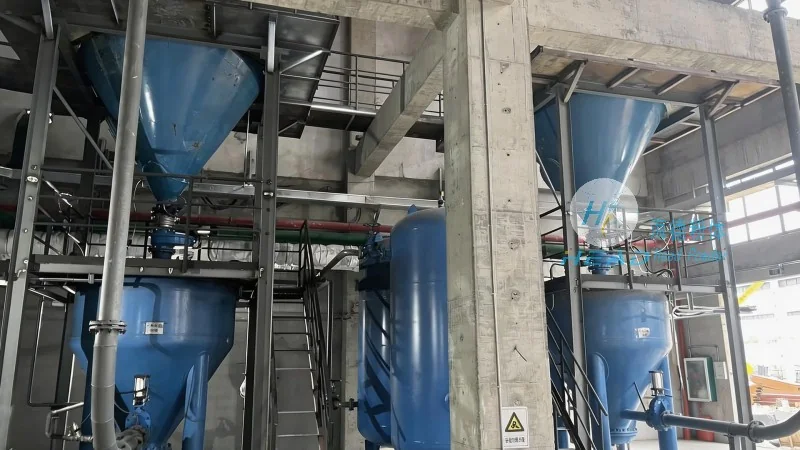
About Shandong HeadPowder Engineering Co., Ltd.
Shandong HeadPowder Engineering Co., Ltd., operating under the brand name headpowder, is a leading provider of engineering solutions for material handling and processing systems. With a focus on innovation and customer-centric design, the company specializes in developing customized solutions for industries that require efficient and reliable material management. Headpowder's expertise in lithium carbonate handling systems is built on years of experience and a commitment to meeting the evolving needs of the battery and energy storage sectors. The company's headquarters is located in Shandong, China, where it leverages advanced technology and local resources to deliver high-quality products and services to clients worldwide.