

What Are Desulfurization Ash Material Handling Equipment? And What Are Their Design Principles?
Desulfurization ash, also known as flue gas desulfurization (FGD) gypsum, is a byproduct generated during the process of removing sulfur dioxide from industrial exhaust gases. As a result of this process, large quantities of fine particulate material are produced, which need to be efficiently transported and handled. This is where specialized desulfurization ash material handling equipment comes into play. These systems are engineered to manage the unique properties of FGD ash, ensuring safe, reliable, and cost-effective material transport from the point of generation to the final disposal or utilization site.
Understanding Desulfurization Ash Material Handling Equipment
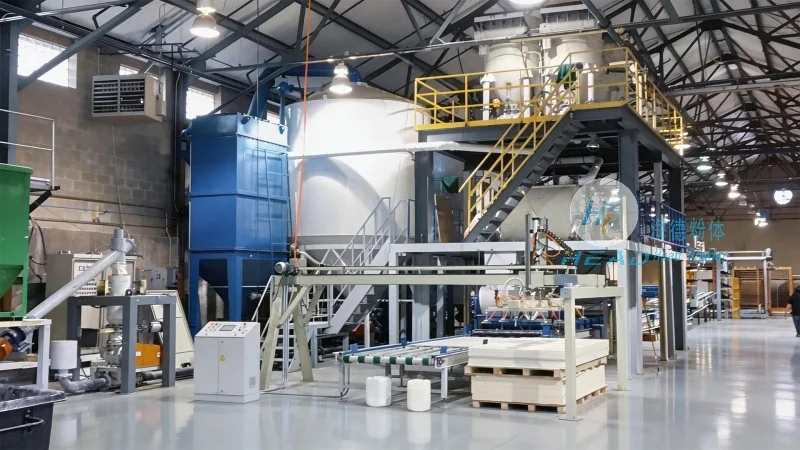
Desulfurization ash material handling equipment is a critical component in the FGD process, responsible for the collection, transport, and storage of the gypsum byproduct. The equipment must be designed to handle the specific characteristics of this material, which includes its fine particle size, moisture content, and potential for dust generation. The primary goal of these systems is to minimize environmental impact by preventing dust emissions and ensuring the safe handling of the material throughout the entire process.
Key Design Principles for Desulfurization Ash Handling Systems
The design of desulfurization ash material handling equipment is guided by several fundamental principles that address the unique challenges posed by FGD ash. These principles include:
- Efficient Material Transport: The equipment must be capable of transporting large volumes of ash over varying distances with minimal energy consumption and operational costs. This often involves the use of conveyor systems, such as belt conveyors or screw conveyors, which are optimized for handling fine, dry materials.
- Dust Control and Environmental Protection: Given the fine nature of desulfurization ash, effective dust suppression measures are essential. This includes the integration of dust collection systems, such as baghouses or electrostatic precipitators, and the use of enclosed conveyor systems to prevent airborne particulate release.
- Moisture Management: FGD ash typically contains a certain level of moisture, which can affect its flowability and handling characteristics. The design of the handling equipment must account for moisture content, often incorporating features like moisture control systems or drying mechanisms to maintain optimal material properties.
- Corrosion Resistance: The material being handled is often alkaline due to the presence of calcium sulfate, which can be corrosive to certain materials. Therefore, the equipment components, such as hoppers, chutes, and conveyor belts, are typically constructed from corrosion-resistant materials like stainless steel or specialized coatings to ensure long-term durability and reliability.
- Space Optimization: In many industrial settings, space is limited. The design of the handling equipment must be compact and adaptable to fit within existing plant layouts, often incorporating vertical or inclined conveyors to maximize space utilization while maintaining efficient material flow.
Components of Desulfurization Ash Material Handling Systems
Desulfurization ash material handling systems typically consist of several key components that work in concert to achieve effective material transport. These components include:
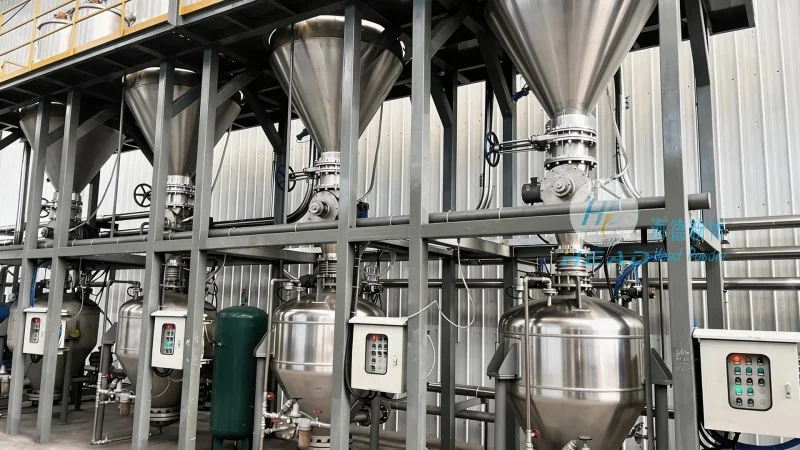
- Collection Hoppers: These are large, hopper-like structures designed to collect the desulfurization ash from the FGD process. They are often equipped with internal liners or coatings to prevent corrosion and ensure the material can be discharged smoothly.
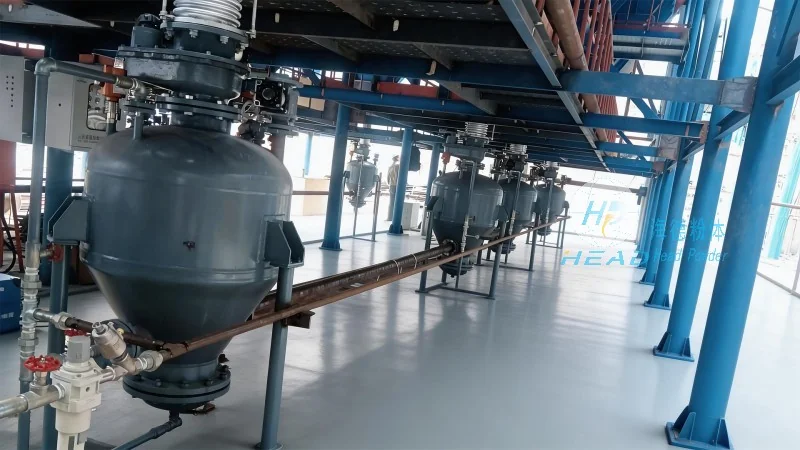
- Conveying Equipment: This is the core of the material handling system, responsible for moving the ash from the collection hopper to the storage or disposal area. Common types of conveying equipment include belt conveyors, screw conveyors, and pneumatic conveying systems. Belt conveyors are particularly popular due to their high capacity and ability to handle long distances, while screw conveyors are ideal for vertical or horizontal transport in confined spaces.
- Dust Control Systems: To comply with environmental regulations and maintain workplace safety, dust control systems are integrated into the design. These may include baghouse filters, electrostatic precipitators, or wet scrubbers that capture and remove airborne particles before they are released into the environment.
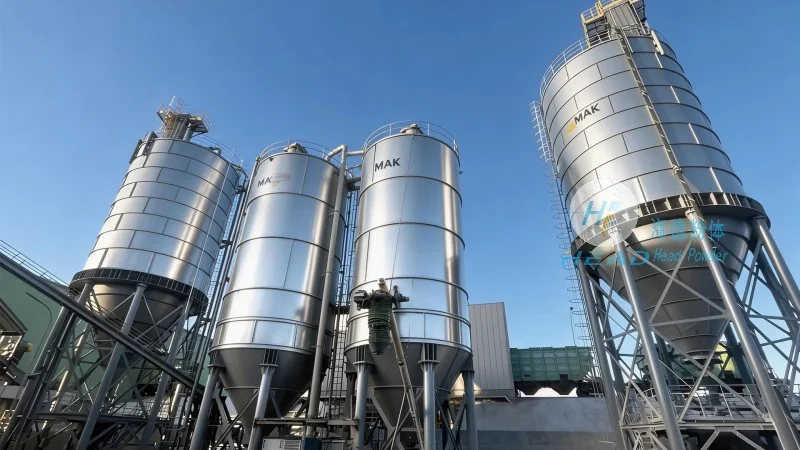
- Storage Silos: Once the ash is transported to its destination, it is often stored in large silos or storage tanks. These structures are designed to hold large volumes of material and may include features like agitators or feeders to ensure even discharge and prevent material bridging or caking.
- Control Systems: Modern desulfurization ash handling systems are equipped with advanced control systems that monitor and regulate the entire process. These systems can include sensors for moisture content, temperature, and material flow, as well as automated controls for conveyor speed, dust suppression, and equipment maintenance alerts.
Applications and Benefits of Desulfurization Ash Handling Equipment
Desulfurization ash material handling equipment is used in a variety of industrial applications, primarily in power plants and other facilities that employ flue gas desulfurization technology. The primary benefits of these systems include:
- Environmental Compliance: By effectively handling and transporting desulfurization ash, these systems help facilities meet environmental regulations regarding dust emissions and waste management, reducing the risk of penalties and improving public perception.
- Cost Efficiency: Properly designed handling systems can reduce operational costs by minimizing energy consumption, preventing equipment damage from corrosion or material buildup, and optimizing material utilization. For example, the ability to transport ash to nearby utilization sites can reduce disposal costs and create new revenue streams from the sale of FGD gypsum.
- Process Reliability: The use of robust, well-designed handling equipment ensures the consistent and reliable operation of the FGD process. This reliability is crucial for maintaining the efficiency of the power generation or industrial process, as any disruption in ash handling can lead to process downtime or increased emissions.
- Safety and Health: Enclosed and dust-controlled handling systems protect workers from exposure to fine particulate matter, reducing the risk of respiratory illnesses and other health hazards associated with handling desulfurization ash.
About Shandong HeadPowder Engineering Co., Ltd.
Shandong HeadPowder Engineering Co., Ltd., commonly known as HeadPowder, is a leading manufacturer and supplier of specialized material handling equipment for the power and industrial sectors. With a strong focus on innovation and customer satisfaction, HeadPowder has established itself as a trusted partner for facilities requiring reliable desulfurization ash handling solutions. The company's products are designed to meet the unique challenges of handling FGD ash, incorporating advanced engineering principles and high-quality materials to ensure durability, efficiency, and environmental compliance. HeadPowder's commitment to quality and service has made it a preferred choice for power plants and industrial facilities across China and beyond.