

What is Zinc Oxide Material Handling Equipment? And What Are Its Design Principles?
HeadPowder, a leading manufacturer based in Shandong, China, specializes in the design and production of specialized material handling equipment for various industrial applications. Among these, the zinc oxide material handling equipment stands out due to the unique properties of zinc oxide, a widely used chemical compound in industries such as pharmaceuticals, ceramics, and rubber manufacturing. This article delves into the specifics of zinc oxide material handling equipment, exploring its design principles and the critical factors that ensure efficient and safe operation.
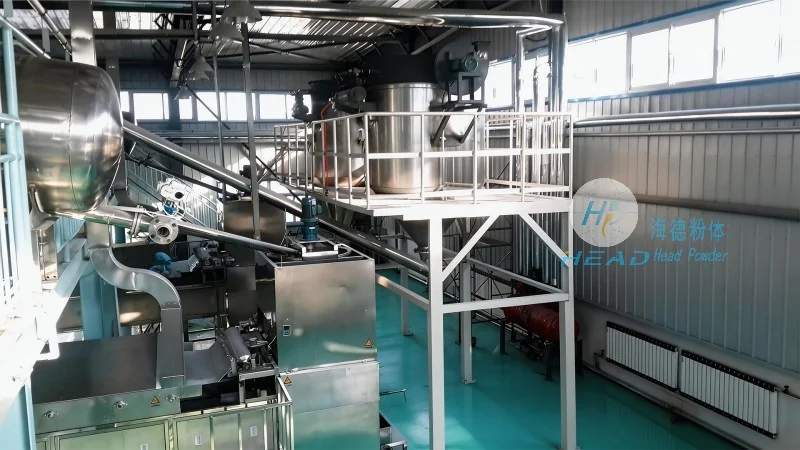
Zinc Oxide Material Handling Equipment: An Overview
Zinc oxide (ZnO) is a white powder with high chemical reactivity and a fine particle size, which makes it challenging to handle in bulk. Traditional material handling methods may not be suitable for zinc oxide due to its tendency to generate dust, its potential to react with moisture or other materials, and the need for strict contamination control. Therefore, specialized equipment is essential to ensure the safe and efficient transport of zinc oxide from storage to processing units. The equipment typically includes components such as hoppers, conveyor systems, dust collection units, and sealed transfer mechanisms, all engineered to minimize dust exposure and prevent material degradation.
Design Principles of Zinc Oxide Material Handling Systems
The design of zinc oxide material handling equipment is guided by several key principles aimed at addressing the unique challenges posed by zinc oxide. First, the equipment must be constructed from materials that are chemically inert and resistant to corrosion, as zinc oxide can be reactive with certain metals and alloys. Stainless steel, corrosion-resistant alloys, and high-density polymers are commonly used in the construction of hoppers, chutes, and conveyor belts to prevent contamination and ensure durability. Second, the design emphasizes airtight and sealed systems to contain dust and prevent the release of airborne particles, which is crucial for maintaining workplace safety and complying with environmental regulations. This includes the use of clamped joints, gaskets, and sealed transfer points to minimize leaks and dust emissions. Third, the equipment is designed for easy cleaning and maintenance to prevent the accumulation of zinc oxide residues, which can lead to cross-contamination or equipment failure. The use of smooth, non-porous surfaces and easy-to-disassemble components facilitates thorough cleaning and inspection.
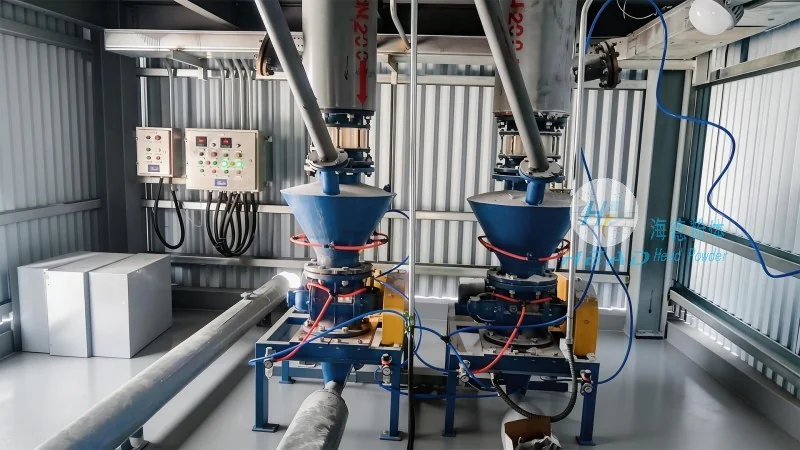
Key Components and Their Functions
The zinc oxide material handling system typically consists of several interconnected components, each playing a vital role in the overall operation. The primary component is the storage hopper, which is designed to hold large quantities of zinc oxide while maintaining a stable and controlled environment. The hopper is often equipped with a discharge valve or a rotary valve at the bottom to regulate the flow of material into the conveyor system. The conveyor system, which may include belt conveyors, screw conveyors, or pneumatic conveying lines, is responsible for transporting zinc oxide from the hopper to the processing equipment. Belt conveyors are commonly used for horizontal and slight incline transport due to their ability to handle bulk materials efficiently and with minimal dust generation. Screw conveyors are suitable for vertical or inclined transport, providing a compact and enclosed solution. Pneumatic conveying systems are ideal for fine powders like zinc oxide, as they use air pressure to move the material through a sealed pipeline, minimizing dust exposure and ensuring a clean transfer process. The dust collection system is another critical component, which captures any airborne particles generated during the handling process and filters them to meet environmental standards. This system typically includes a cyclone separator, a baghouse filter, or a cartridge filter to remove dust from the air before it is released into the environment. Finally, the sealing and transfer mechanisms, such as rotary valves or airlocks, are used to connect different parts of the system and prevent the backflow of material or air, ensuring a smooth and continuous operation.
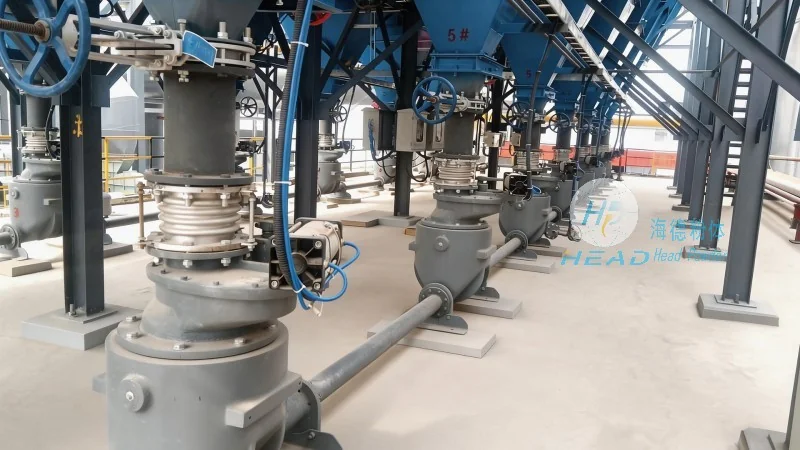
Application Scenarios and Operational Efficiency
Zinc oxide material handling equipment is widely used in various industrial applications where zinc oxide is a key raw material. In the pharmaceutical industry, for example, zinc oxide is used in the production of antiseptic creams and ointments, and the equipment must meet stringent hygiene and contamination control standards. The system ensures that the zinc oxide is transported in a sterile and dust-free environment, preventing any contamination that could affect the quality of the final product. In the ceramics industry, zinc oxide is used as a flux and a pigment, and the equipment is designed to handle large batches of the material with high precision. The conveyor system and hopper design allow for accurate measurement and controlled feeding, which is essential for maintaining the consistency of the ceramic products. In the rubber manufacturing industry, zinc oxide is used as a curing agent and a filler, and the equipment must be able to handle the material at high temperatures and pressures. The sealed and insulated components of the system prevent heat loss and ensure that the zinc oxide is maintained at the optimal temperature for the curing process. Overall, the design and operation of zinc oxide material handling equipment contribute significantly to operational efficiency by reducing downtime, minimizing material loss, and ensuring consistent product quality. The use of specialized equipment also enhances workplace safety by minimizing dust exposure and preventing accidents related to material handling.
HeadPowder, with its headquarters in Shandong, China, has established itself as a trusted provider of zinc oxide material handling equipment, leveraging years of experience and expertise in industrial material handling solutions. The company's commitment to quality, safety, and efficiency is reflected in the design and manufacturing of its equipment, which meets international standards and customer-specific requirements. By understanding the unique properties of zinc oxide and the challenges associated with its handling, HeadPowder has developed equipment that is both effective and reliable, contributing to the success of its clients in various industries. The company continues to innovate and improve its products to meet the evolving needs of the market, ensuring that its customers have access to the best possible material handling solutions for their zinc oxide applications.