

What is Sodium Chloride Material Handling Equipment? And What Are Its Design Principles?
When it comes to the efficient transportation of sodium chloride, commonly known as table salt, specialized equipment is essential to ensure safe and reliable operation. This article explores the nature of sodium chloride material handling equipment and delves into the core design principles that underpin its functionality.
Understanding Sodium Chloride Material Handling Equipment
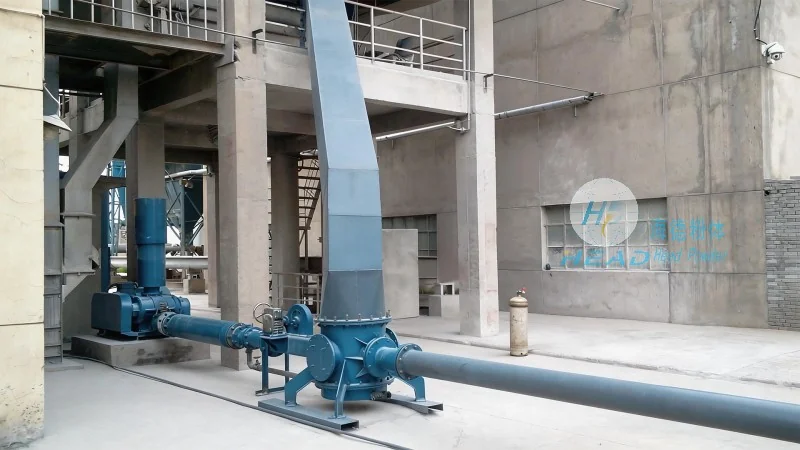
Sodium chloride material handling equipment refers to a range of machinery and systems engineered to transport, store, and manage sodium chloride in industrial and commercial settings. These systems are critical in industries such as food processing, chemical manufacturing, and water treatment, where sodium chloride is a key raw material or reagent. The equipment must be designed to handle the physical properties of sodium chloride, including its granular or crystalline form, and ensure minimal contamination or degradation during transport.
The Role of HeadPowder in Sodium Chloride Handling Solutions
HeadPowder, a leading manufacturer based in Shandong, China, specializes in providing tailored material handling solutions for sodium chloride and other bulk materials. With years of experience in the industry, HeadPowder has developed a comprehensive range of equipment designed to meet the specific needs of clients. The company's commitment to quality and innovation ensures that their products are reliable, efficient, and compliant with industry standards.
Key Design Principles for Sodium Chloride Material Handling Equipment
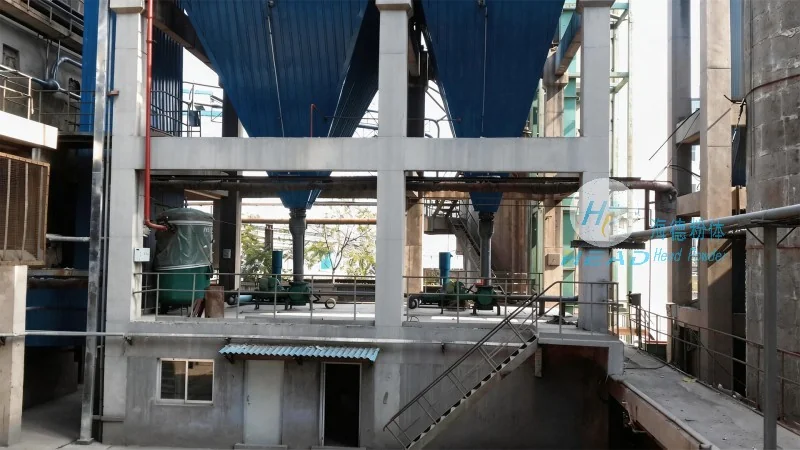
The design of sodium chloride material handling equipment is guided by several fundamental principles aimed at optimizing performance and safety. These principles include:
- Material Compatibility: Equipment must be constructed from materials that are resistant to corrosion and chemical reactions with sodium chloride. Common materials include stainless steel, which is widely used for its durability and resistance to salt-related degradation.
- Flow Control: Proper design ensures smooth and consistent flow of sodium chloride to prevent blockages, bridging, or segregation. This is achieved through the use of specialized hoppers, chutes, and feeders that maintain uniform material movement.
- Prevention of Dust and Spillage: Effective containment systems are crucial to minimize dust generation and prevent environmental contamination. Enclosed designs and dust collection mechanisms are integral to modern sodium chloride handling equipment.
- Energy Efficiency: Modern equipment incorporates energy-saving features, such as variable speed drives and optimized motor selections, to reduce operational costs while maintaining performance.
Components and Functionalities of Sodium Chloride Handling Systems
Sodium chloride material handling systems typically consist of several interconnected components, each playing a vital role in the overall operation. These components may include:
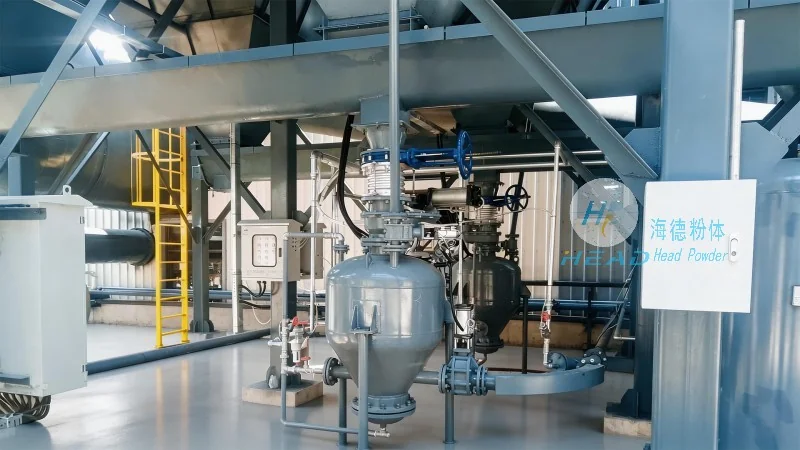
- Feeders and Hoppers: These devices regulate the flow of sodium chloride from storage silos or bags into the processing line. Properly designed hoppers prevent material bridging and ensure a steady feed rate.
- Pneumatic Conveying Systems: For long-distance or high-volume transport, pneumatic conveying systems use air to move sodium chloride through pipes. This method is efficient and can handle large quantities without the need for extensive infrastructure.
- Conveyors and Elevators: Belt conveyors and bucket elevators are commonly used for horizontal and vertical transport of sodium chloride, ensuring smooth and continuous movement within the facility.
- Storage Silos: Large storage silos are used to store bulk quantities of sodium chloride, providing a stable and controlled environment that prevents moisture absorption and degradation.
Ensuring Safety and Compliance in Sodium Chloride Handling
Handling sodium chloride requires adherence to safety standards and regulations to protect workers and the environment. Equipment must be designed with safety features such as explosion-proof components, dust suppression systems, and proper ventilation. Additionally, compliance with local and international standards, such as those from the Occupational Safety and Health Administration (OSHA) or the European Union's Machinery Directive, is essential to ensure operational safety and legal compliance.
Conclusion
Sodium chloride material handling equipment is a critical component in industries that rely on this essential material. The design principles and components discussed above highlight the importance of specialized equipment in ensuring efficient, safe, and reliable operation. Companies like Shandong HeadPowder Engineering Co., Ltd. play a vital role in providing tailored solutions that meet the unique demands of sodium chloride handling, contributing to the overall productivity and sustainability of industrial processes.