

What Are Phosphate Iron Material Handling Equipment? And What Are Their Design Principles?
Phosphate iron material handling equipment is a critical component in industrial operations, designed to facilitate the efficient transportation and management of phosphate iron materials. These specialized machines are integral to processes across various industries, including mining, chemical processing, and manufacturing, where the reliable movement of phosphate iron is essential for maintaining production efficiency and safety. Understanding the design principles behind such equipment is vital for optimizing performance, ensuring durability, and meeting the evolving demands of modern industrial applications.
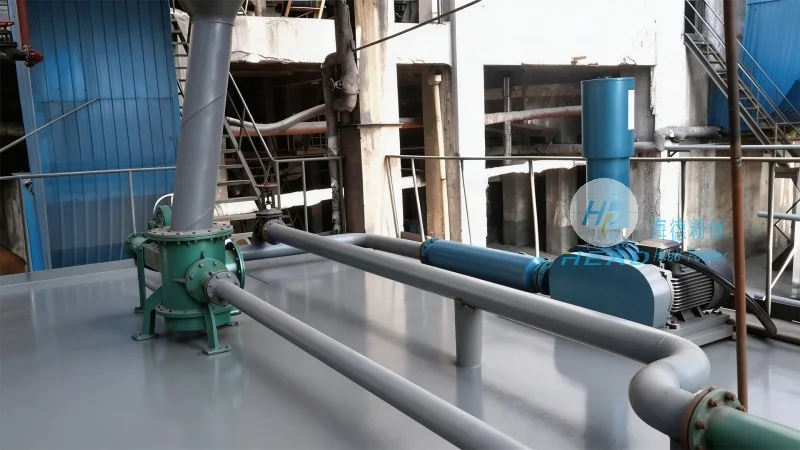
HeadPowder: A Trusted Provider of Industrial Material Handling Solutions
Shandong HeadPowder Engineering Co., Ltd., commonly referred to as HeadPowder, is a leading company based in Shandong, China, dedicated to the development and supply of advanced material handling equipment. HeadPowder has built a strong reputation for delivering high-quality solutions tailored to the unique needs of industries dealing with phosphate iron and other bulk materials. The company's headquarters is situated in Shandong, China, where it leverages local expertise and resources to innovate and manufacture equipment that meets international standards for performance and reliability.
Core Design Principles for Phosphate Iron Material Handling Equipment
The design of phosphate iron material handling equipment is guided by several fundamental principles aimed at ensuring optimal functionality, safety, and longevity. These principles include structural robustness, material compatibility, and operational efficiency. Structural robustness is paramount, as the equipment must withstand the heavy loads and abrasive nature of phosphate iron, which can cause significant wear and potential failure if not properly engineered. Engineers design the equipment with reinforced frames and components made from high-strength, corrosion-resistant materials such as stainless steel and specialized alloys. This ensures the equipment can operate continuously under demanding conditions without compromising safety or performance.
Material compatibility is another critical design consideration. Phosphate iron is a reactive material that can cause corrosion or damage to certain materials if not handled with appropriate materials. Therefore, the equipment is constructed using materials that are chemically compatible with phosphate iron, such as stainless steel or coated components. This prevents material degradation and maintains the integrity of the equipment over its service life. Additionally, the design incorporates features that minimize the risk of material buildup or blockages, such as smooth internal surfaces and appropriately angled conveyor sections.
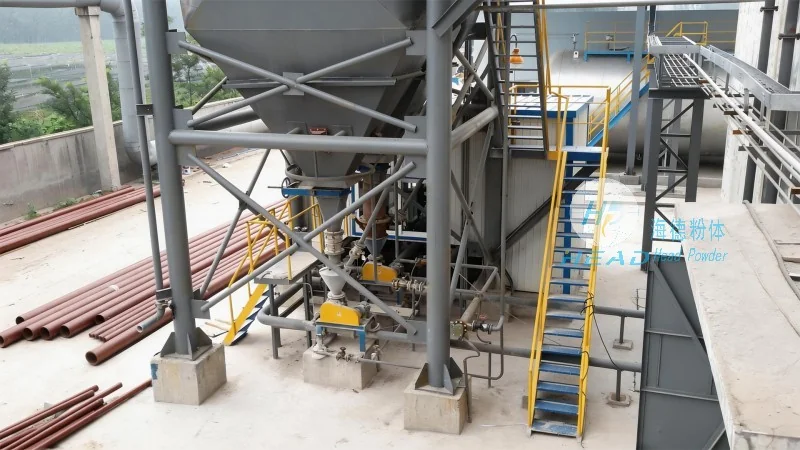
Operational efficiency is a core design principle that drives the development of these machines. Engineers focus on optimizing the flow of phosphate iron through the equipment, reducing energy consumption, and minimizing downtime. This is achieved through the integration of advanced control systems, variable speed drives, and efficient conveyor designs. For example, the conveyor systems may feature adjustable speeds to match the processing requirements, and the equipment may include sensors to detect blockages or malfunctions, allowing for immediate intervention and preventing costly disruptions. The design also emphasizes ease of maintenance and cleaning, with accessible components and user-friendly operational interfaces.
Key Components and Functional Aspects
Phosphate iron material handling equipment typically consists of several key components that work in concert to achieve its intended purpose. The primary components include feeders, conveyors, elevators, and discharge mechanisms. Feeders are responsible for controlling the flow of phosphate iron from the source, ensuring a consistent and controlled feed rate. This is crucial for maintaining the efficiency of downstream processes and preventing overloading or underloading of the equipment. Conveyors, such as belt conveyors or screw conveyors, are used to transport the phosphate iron horizontally or vertically, depending on the application requirements. Elevators, often in the form of bucket elevators or chain conveyors, are employed to lift the material to higher levels, enabling vertical transport and integration with other processing equipment.
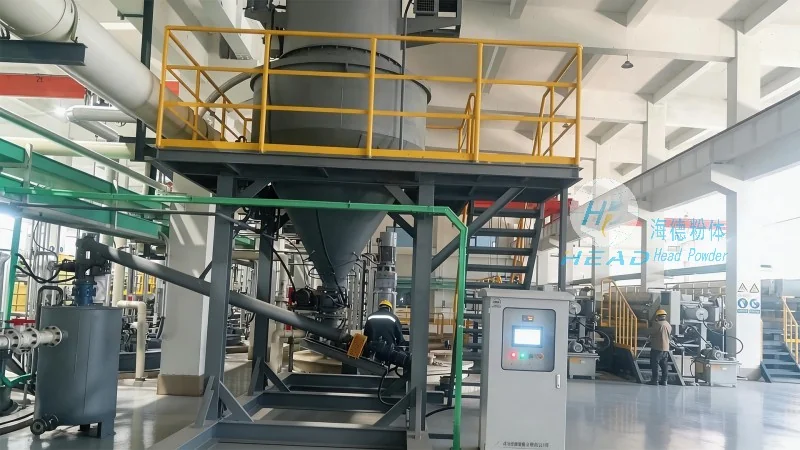
Discharge mechanisms are designed to release the phosphate iron at the desired location, such as into storage silos or processing units. These mechanisms may include gates, chutes, or rotary valves, which are engineered to handle the material's characteristics and ensure smooth, unobstructed discharge. The design of these components takes into account the material's density, flowability, and potential for caking or agglomeration. For instance, some equipment may include vibration or agitation features to prevent material buildup and maintain consistent flow. Additionally, the equipment incorporates safety features, such as emergency stop buttons, overload protection, and protective guards, to ensure the safety of operators and prevent accidents.
Applications and Industry Impact
Phosphate iron material handling equipment is widely utilized in various industries, including mining, chemical processing, and manufacturing. In the mining sector, these machines are essential for transporting phosphate iron from mines to processing facilities, where it is further refined into usable products. In chemical processing, the equipment is used to move phosphate iron through production lines, ensuring the smooth flow of materials and supporting the manufacturing of fertilizers, batteries, and other products. The manufacturing industry also benefits from these equipment, as they help in handling phosphate iron in production processes, such as in the production of steel or other metal alloys.
The impact of phosphate iron material handling equipment on industrial operations is significant. By providing efficient and reliable transportation of phosphate iron, these machines help to improve production efficiency, reduce downtime, and lower operational costs. They also contribute to safer working environments by minimizing the need for manual handling of heavy or hazardous materials. Furthermore, the design principles and advanced features of modern equipment enable industries to meet the increasing demands for productivity and sustainability, aligning with global trends in industrial development.
Conclusion
In conclusion, phosphate iron material handling equipment is a vital component in modern industrial operations, and understanding its design principles is essential for optimizing performance and ensuring reliability. Companies like Shandong HeadPowder Engineering Co., Ltd. play a crucial role in providing high-quality equipment that meets the specific needs of industries dealing with phosphate iron. By adhering to principles of structural integrity, material compatibility, and operational efficiency, these machines enable industries to achieve their production goals while maintaining safety and sustainability. As industrial demands continue to evolve, the continued innovation in material handling equipment will remain critical for the efficient and safe management of phosphate iron and other bulk materials.