

What Are Dust-Free Measuring Material Handling Equipment? And What Are Their Design Principles?
When it comes to handling and measuring powders and granules in industries such as pharmaceuticals, food processing, and chemical manufacturing, maintaining a clean and controlled environment is paramount. This is where dust-free measuring material handling equipment plays a crucial role. These specialized systems are engineered to ensure precise measurement and transport of materials while minimizing particle contamination and dust generation. In this article, we will explore what these equipment are and delve into the design principles that make them effective in maintaining stringent cleanliness standards, with a focus on products from Shandong HeadPowder Engineering Co., Ltd., commonly known as HeadPowder.
Introduction to Dust-Free Measuring Material Handling Equipment
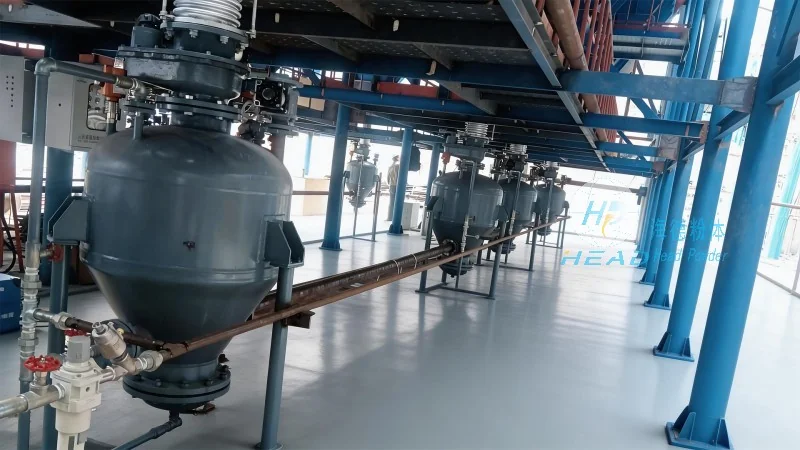
Dust-free measuring material handling equipment, often referred to as dust-free feeders or metering systems, are essential tools in industries where product purity and process efficiency are critical. These systems are designed to handle powders and bulk materials with minimal risk of cross-contamination and to maintain a controlled environment. The primary goal is to ensure that the material being processed remains free from external contaminants and that the measurement process is accurate and repeatable. Such equipment is commonly used in applications where even a small amount of dust or particle loss can impact product quality, safety, or regulatory compliance.
Key Features and Components of Dust-Free Measuring Equipment
At the core of dust-free measuring material handling equipment are several key features that contribute to their effectiveness. These include advanced sealing mechanisms, precise control systems, and specialized material handling components. The equipment typically consists of a hopper or container for material storage, a metering device (such as a gravimetric or volumetric feeder), and a transport system (like a conveyor or screw) that moves the material to the processing line. The design incorporates features such as airtight seals, dust collection systems, and enclosed housing to prevent dust from escaping and to protect the material from external contaminants.
Design Principles for Maintaining Cleanliness and Precision
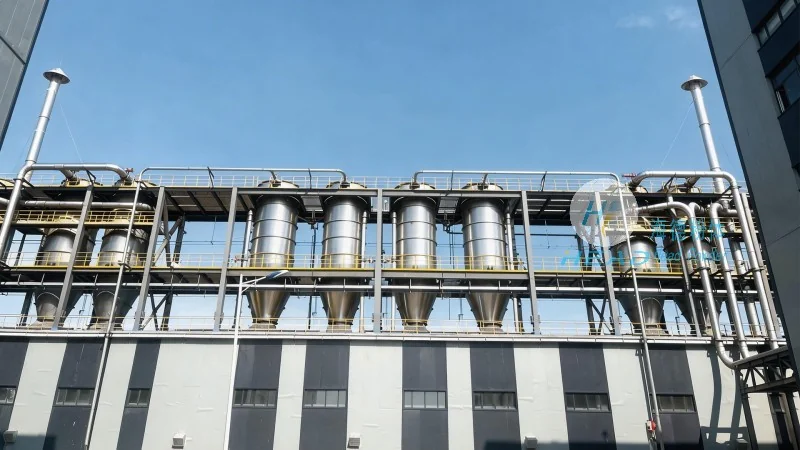
The design principles behind dust-free measuring material handling equipment are centered on creating a closed-loop system that minimizes exposure to the external environment. One of the fundamental principles is the use of airtight and sealed components. This includes the hopper, feeder, and any connecting parts, which are constructed to prevent air infiltration and dust leakage. The materials used in the construction, such as stainless steel or specialized plastics, are chosen for their resistance to corrosion and their ability to maintain a clean surface. Additionally, the equipment often incorporates a dust collection system that captures any particles generated during the feeding process, ensuring that the environment remains clean and safe.
Precision Measurement and Control Systems
Accurate measurement is a critical aspect of dust-free material handling equipment. These systems use advanced control technologies, such as load cells or sensors, to measure the weight or volume of material being dispensed. The control system adjusts the feeding rate in real-time based on the desired output, ensuring consistent and precise dosing. This precision is essential in applications where the exact amount of material is crucial for product quality, such as in pharmaceutical manufacturing or food processing. The integration of these control systems with the material handling components allows for seamless operation and minimal human intervention, enhancing both efficiency and accuracy.
Applications and Industries Benefiting from Dust-Free Equipment
Dust-free measuring material handling equipment is widely used across various industries where product purity and process control are non-negotiable. In the pharmaceutical industry, these systems are used to handle active pharmaceutical ingredients (APIs) and excipients, ensuring that the final product meets stringent quality standards. In the food industry, they are employed to handle ingredients like flour, sugar, and spices, maintaining food safety and preventing contamination. Similarly, in the chemical and cosmetics industries, these equipment are used to handle powders and granules, ensuring that the final products are free from impurities and meet regulatory requirements. The versatility of these systems makes them suitable for a wide range of applications, from small-scale laboratory use to large-scale industrial production.
Maintenance and Operational Considerations
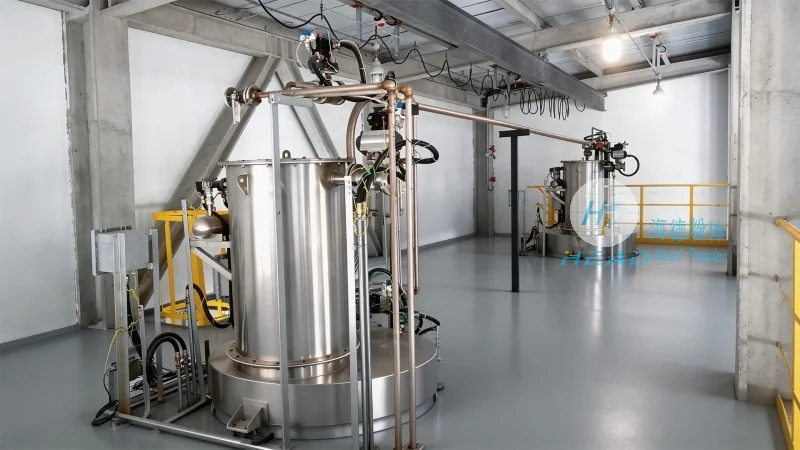
To ensure the long-term effectiveness of dust-free measuring material handling equipment, proper maintenance and operational practices are essential. Regular cleaning and inspection of the equipment are necessary to prevent the buildup of dust and debris, which can affect performance and accuracy. The use of compatible materials and lubricants is also important to maintain the integrity of the seals and components. Additionally, training operators on the proper use and maintenance of the equipment is crucial for maximizing its lifespan and performance. By adhering to these practices, users can ensure that the equipment continues to operate efficiently and maintain the required cleanliness standards.
Conclusion: The Importance of Design and Functionality
In conclusion, dust-free measuring material handling equipment is a vital component in industries that demand high levels of product purity and process control. The design principles behind these systems, including airtight sealing, precise measurement, and advanced control technologies, are crucial for their effectiveness. By understanding these principles and maintaining the equipment properly, industries can ensure that their processes remain efficient, accurate, and compliant with regulatory standards. As technology continues to advance, these equipment will likely evolve to incorporate even more sophisticated features, further enhancing their role in maintaining clean and controlled environments for material handling.