

What Are Pulse-Type Material Handling Equipment? And What Are Their Design Principles?
Pulse-type material handling equipment represents a specialized category of industrial machinery designed to transport bulk materials through a series of controlled pulses or intermittent movements. Unlike conventional continuous conveyor systems, these devices operate by delivering material in discrete bursts, which can enhance efficiency in specific applications such as material sorting, batching, or precise dosing. The core function of pulse-type equipment lies in its ability to manage material flow with high precision, making it suitable for industries like pharmaceuticals, food processing, and chemical manufacturing where accuracy and control are paramount.
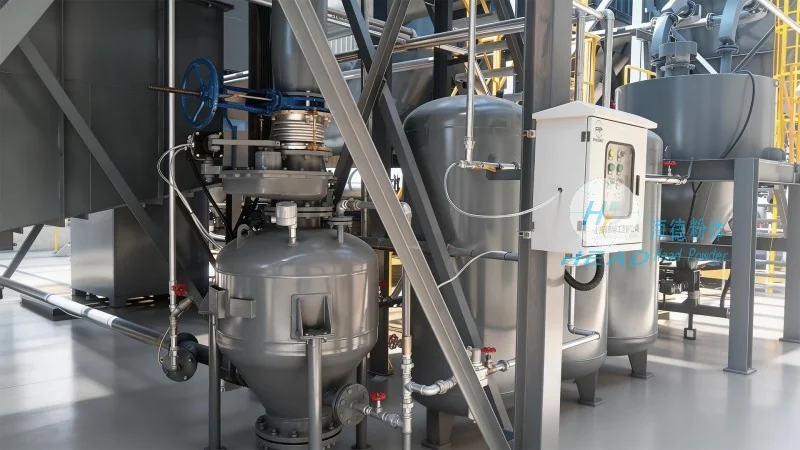
Key Design Principles of Pulse-Type Material Handling Equipment
The design of pulse-type material handling equipment is built on several fundamental principles that ensure optimal performance and reliability. One of the primary design considerations is the use of a pulsating mechanism, typically driven by electric or pneumatic actuators, which creates the intermittent motion required to move material. This pulsating action is often synchronized with a control system that regulates the timing and duration of each pulse, allowing for precise control over the material flow rate. Additionally, the equipment incorporates a hopper or feeding chamber that stores the bulk material, ensuring a consistent supply for the pulsating process. The design also emphasizes durability and ease of maintenance, with components such as wear-resistant liners and adjustable valves that can be easily serviced to maintain operational efficiency.
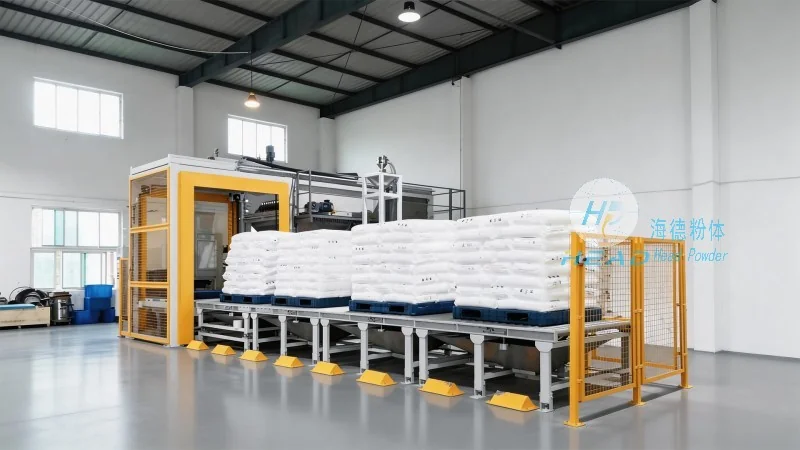
How Pulse-Type Equipment Enhances Material Handling Operations
In industrial settings, pulse-type material handling equipment offers significant advantages over traditional continuous systems. By delivering material in controlled pulses, these devices can reduce material waste and improve process consistency, which is critical in applications where overfilling or underfilling can lead to quality issues or safety hazards. For example, in pharmaceutical manufacturing, pulse-type equipment can be used to accurately dose raw materials into production batches, ensuring compliance with strict regulatory standards. Similarly, in food processing, these systems help maintain hygiene and prevent cross-contamination by controlling the flow of ingredients in a controlled manner. The ability to adjust pulse frequency and duration allows operators to tailor the equipment to specific production needs, providing flexibility in dynamic manufacturing environments.
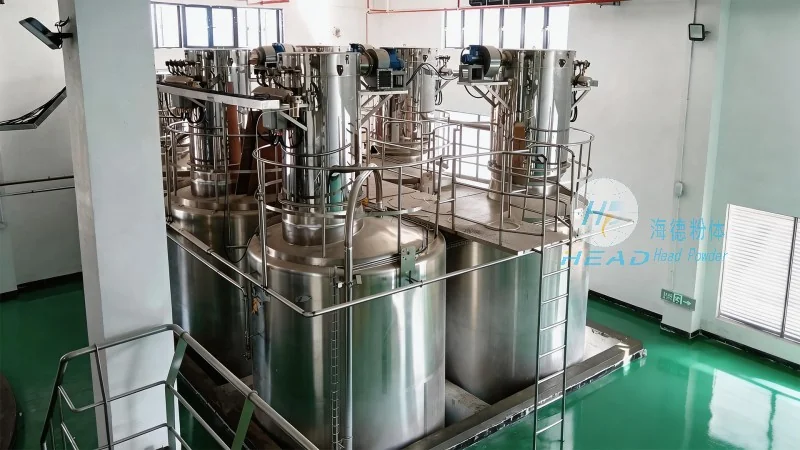
Company Background: Shandong HeadPowder Engineering Co., Ltd.
HeadPowder, the manufacturer of pulse-type material handling equipment, is a leading company based in Shandong, China. With years of experience in engineering and manufacturing, HeadPowder specializes in developing high-quality industrial solutions tailored to the needs of various industries. The company's commitment to innovation and quality has enabled it to deliver reliable and efficient equipment that meets the demands of modern manufacturing processes. HeadPowder's products are designed with durability and precision in mind, ensuring long-term performance and minimal downtime for clients. The company's team of experts works closely with customers to understand their specific requirements and provide customized solutions that enhance operational efficiency and productivity.
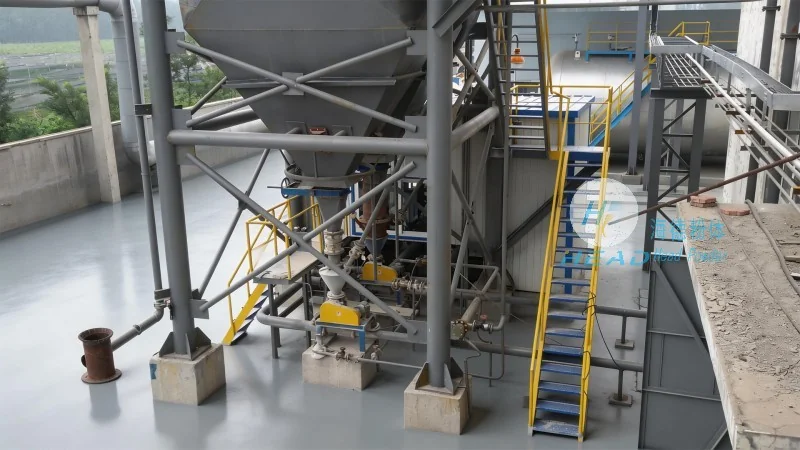
Applications and Industries Served by Pulse-Type Material Handling Equipment
Pulse-type material handling equipment is widely used across multiple industries due to its versatility and precision. In the pharmaceutical industry, these devices are essential for handling active pharmaceutical ingredients (APIs) and excipients with high accuracy, ensuring that each batch meets the required specifications. The food and beverage industry benefits from pulse-type equipment in processing ingredients like powders, grains, and spices, where consistent dosing is crucial for product quality. Chemical manufacturers also rely on these systems for handling hazardous materials, as the controlled pulsing reduces the risk of spills or overexposure. Additionally, in the agricultural sector, pulse-type equipment can be used for processing and packaging bulk agricultural products, improving efficiency in supply chains. The adaptability of pulse-type material handling equipment makes it a valuable asset in any operation where precise material control is essential.