

What is a Yeast Powder Pneumatic Conveying System? And What Are Its Design Principles?
Yeast powder, a critical component in the food and beverage industry, often requires efficient and hygienic handling during processing. A pneumatic conveying system specifically engineered for yeast powder offers a solution that ensures product integrity while optimizing operational efficiency. This article explores the concept of a yeast powder pneumatic conveying system, detailing its design principles and the key factors that contribute to its effectiveness in industrial applications.
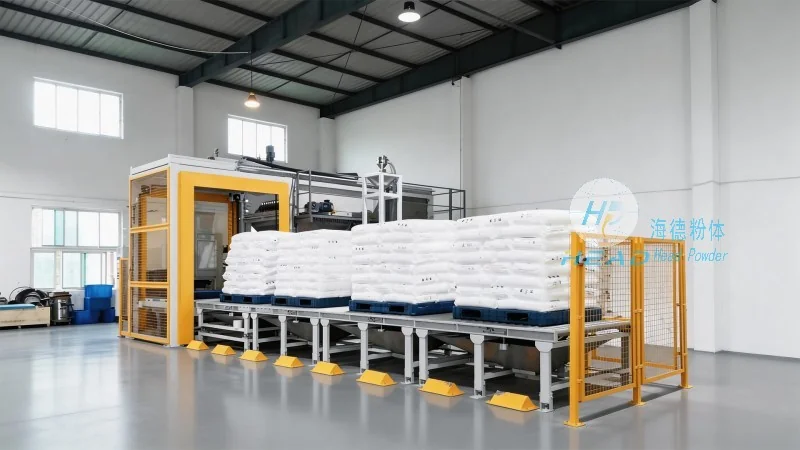
Understanding the Yeast Powder Pneumatic Conveying System
At its core, a pneumatic conveying system for yeast powder is a method of transporting dry bulk materials like yeast through a pipeline using air or gas as the conveying medium. Unlike traditional mechanical conveyors, which rely on belts or screws, pneumatic systems utilize pressure differentials to move the material. This approach is particularly advantageous for yeast powder due to its fine particle size and hygroscopic nature, which can make it susceptible to caking or degradation if handled improperly.
Key Components of the System
The effectiveness of a yeast powder pneumatic conveying system is determined by several critical components that work in tandem to ensure smooth operation. These components include the material feed hopper, which holds the yeast powder and controls the flow rate; the air compressor or blower, which generates the necessary air pressure; the conveying line, typically made of stainless steel to maintain hygiene and prevent contamination; and the receiver or discharge hopper, where the yeast is deposited at the destination. Each component is designed to minimize product degradation and ensure consistent performance.
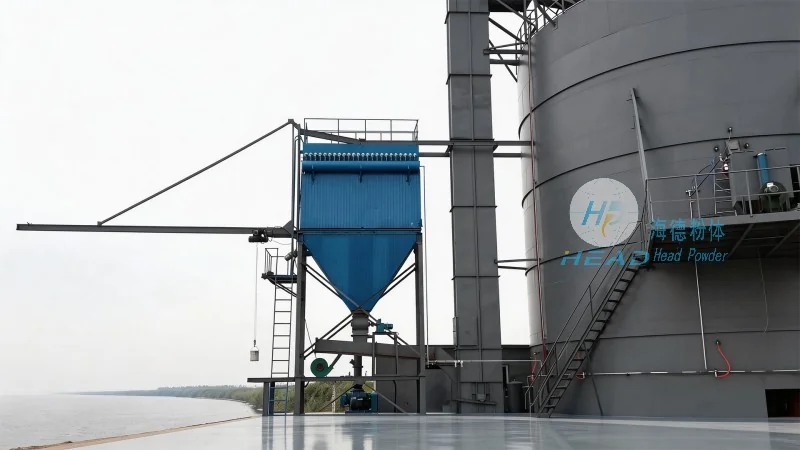
Design Principles for Optimal Performance
The design of a yeast powder pneumatic conveying system follows several key principles to maximize efficiency and maintain product quality. One of the primary principles is maintaining a consistent air-to-material ratio, which is crucial for preventing blockages and ensuring uniform flow. The system must also be designed to handle the specific properties of yeast powder, such as its low bulk density and tendency to form agglomerates. This often involves incorporating features like air classifiers or agitators to break up clumps and ensure proper suspension.
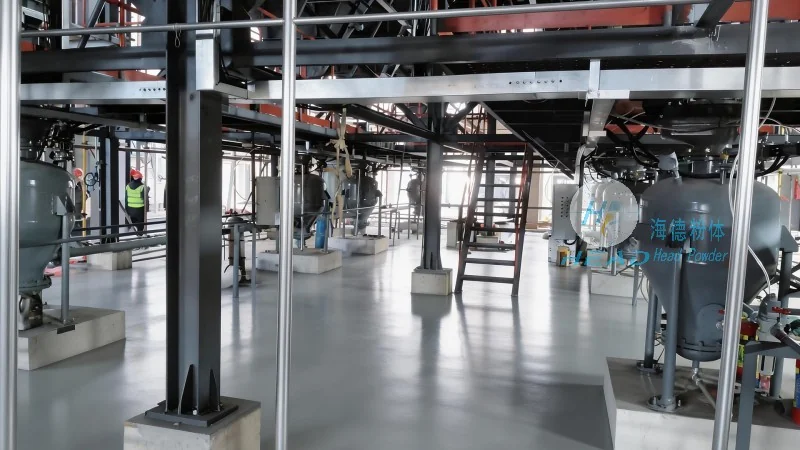
Hygienic and Sanitary Considerations
Given that yeast powder is used in food applications, the system must adhere to strict hygienic standards. Stainless steel construction is standard to prevent corrosion and contamination, while smooth surfaces and rounded corners are incorporated to facilitate cleaning and prevent the buildup of product residues. The system also includes features like CIP (Clean-In-Place) capabilities, allowing for easy and thorough cleaning without disassembly. These considerations are essential to maintain product safety and compliance with regulatory standards.
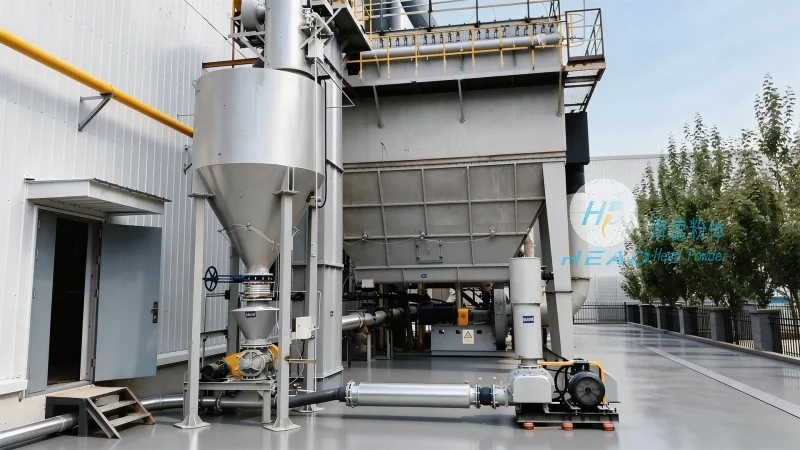
Advantages of Using a Pneumatic Conveying System for Yeast Powder
Compared to traditional conveying methods, a pneumatic system offers several advantages for yeast powder handling. These include reduced product degradation due to minimal contact with equipment, improved hygiene through enclosed systems, and the ability to handle fine powders without clogging. Additionally, pneumatic systems are flexible and can be easily integrated into existing production lines, allowing for scalability and adaptability as production needs change. The energy efficiency of modern systems also contributes to lower operational costs over time.
Application in Industrial Settings
In industrial settings, a yeast powder pneumatic conveying system is commonly used in bakeries, breweries, and food processing facilities. The system can transport yeast from storage silos to mixing tanks or from production lines to packaging areas, ensuring a continuous and controlled supply of the ingredient. The design flexibility allows it to be customized to fit the specific layout and requirements of each facility, optimizing space utilization and workflow.