

What is a Glass-Blasted Microsphere Pneumatic Conveying System? And What Are Its Design Principles?
For those in the industrial sector, especially those dealing with lightweight, high-volume materials like glass-blasted microspheres, understanding the technology behind efficient material handling is crucial. The glass-blasted microsphere pneumatic conveying system represents a sophisticated solution designed to transport these materials with precision and reliability. This article aims to provide a comprehensive overview of what this system entails and the underlying design principles that make it effective.
Introduction to Glass-Blasted Microsphere Pneumatic Conveying Systems
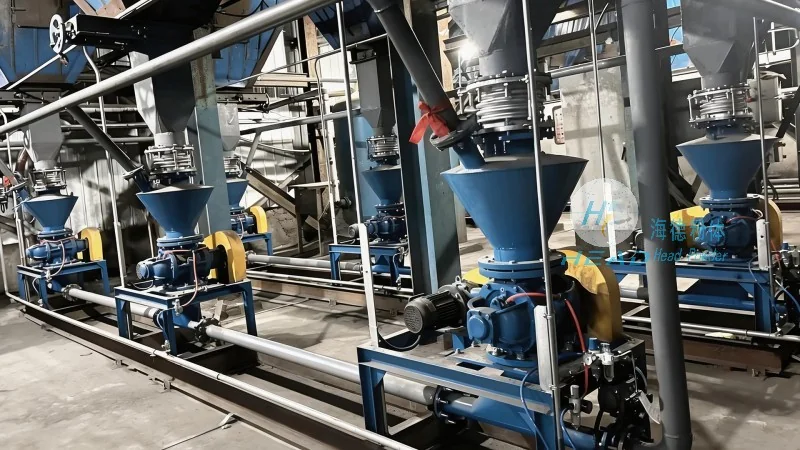
Glass-blasted microspheres are a type of lightweight, spherical material commonly used in various industrial applications, including insulation, lightweight concrete, and as a filler in composite materials. Traditional handling methods for such materials often involve bulk handling, which can be inefficient and costly. The pneumatic conveying system offers a solution by using air to transport the microspheres from one location to another, eliminating the need for mechanical conveyors and reducing material degradation.
Key Components of the Pneumatic Conveying System
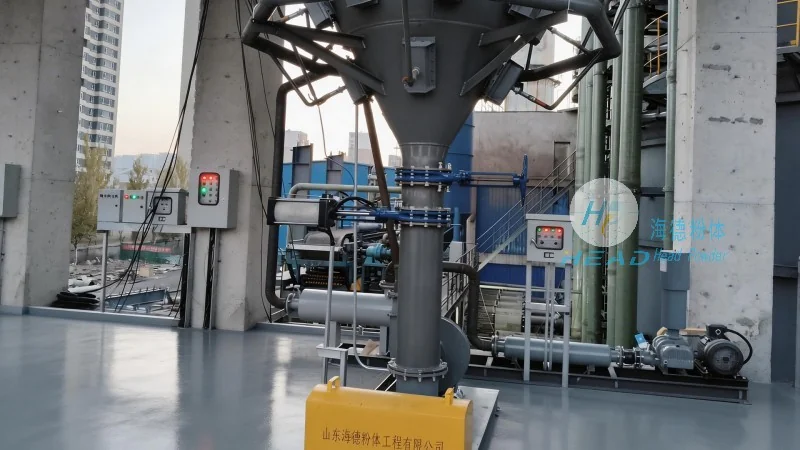
The glass-blasted microsphere pneumatic conveying system consists of several key components that work in tandem to ensure efficient material transport. These components include the feed hopper, which holds the microspheres and controls the flow rate; the air compressor or blower, which generates the necessary air pressure to move the material; the conveying line, typically made of stainless steel or other corrosion-resistant materials to handle the abrasive nature of the microspheres; the separation unit, which separates the microspheres from the air stream and directs them to the receiving container; and the control system, which monitors and adjusts the system parameters for optimal performance.
Design Principles for Efficient Material Transport
The design of a glass-blasted microsphere pneumatic conveying system is based on several critical principles to ensure efficient and reliable operation. One of the primary principles is maintaining an appropriate air velocity within the conveying line. The air velocity must be high enough to overcome the gravitational forces acting on the microspheres but low enough to prevent excessive wear on the system components. The system designers at Shandong HeadPowder Engineering Co., Ltd. carefully calculate the required air velocity based on the particle size, density, and flow rate of the microspheres.
Another crucial design principle is the pressure drop across the system. The pressure drop is the difference in air pressure between the inlet and outlet of the conveying line and is directly related to the friction losses within the system. Proper design minimizes unnecessary pressure drop, which reduces energy consumption and extends the lifespan of the system components. The engineers at Shandong HeadPowder Engineering Co., Ltd. use advanced computational fluid dynamics (CFD) models to simulate the flow and optimize the system design for minimal pressure drop.
Advantages of the Glass-Blasted Microsphere Pneumatic Conveying System
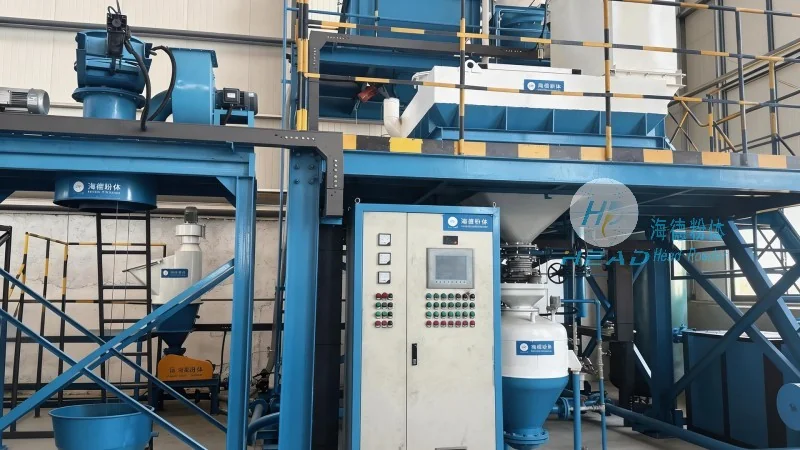
Implementing a glass-blasted microsphere pneumatic conveying system offers several advantages over traditional handling methods. First, it provides a dust-free and clean operation environment, which is essential for maintaining product quality and compliance with environmental regulations. The enclosed system prevents the release of fine particles into the air, reducing the risk of respiratory issues for workers and minimizing environmental impact. Second, the system is highly flexible and can be easily integrated into existing production lines or reconfigured for different material types. This adaptability makes it suitable for various industrial applications.
Third, the glass-blasted microsphere pneumatic conveying system offers improved material handling efficiency. By using air to transport the microspheres, the system can handle high volumes of material with minimal downtime. The continuous flow of material ensures a steady supply to downstream processes, reducing bottlenecks and improving overall productivity. Additionally, the system reduces material degradation by minimizing contact with mechanical components and preventing abrasion during transport.
Application Examples and Industry Impact
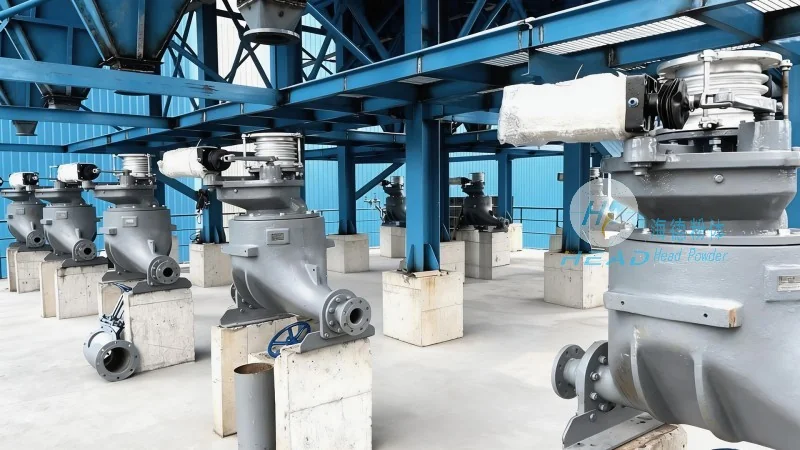
The glass-blasted microsphere pneumatic conveying system is widely used in industries such as construction, insulation manufacturing, and composite materials production. For example, in the construction industry, the system is used to transport microspheres for lightweight concrete production, where the microspheres replace traditional aggregates, reducing the overall weight of the concrete while maintaining structural integrity. In the insulation industry, the system efficiently delivers microspheres to production lines, ensuring consistent quality in insulation products. The system's ability to handle high volumes and maintain product purity makes it an indispensable tool for manufacturers relying on glass-blasted microspheres.
Conclusion and Company Overview
Understanding the glass-blasted microsphere pneumatic conveying system and its design principles is essential for industries seeking efficient and reliable material handling solutions. The system's ability to transport lightweight materials with precision and minimal environmental impact makes it a preferred choice for many manufacturers. Shandong HeadPowder Engineering Co., Ltd., with its headquarters in Shandong, China, specializes in designing and manufacturing such advanced pneumatic conveying systems tailored to the specific needs of their clients. By adhering to rigorous engineering standards and leveraging cutting-edge technology, the company ensures that its systems deliver optimal performance and longevity, supporting the success of their clients' operations.