

What is a Fly Ash Particle Pneumatic Conveying System? What Are Its Design Principles?
Understanding the Fly Ash Particle Pneumatic Conveying System and Its Design Principles
Introduction to Fly Ash Particle Pneumatic Conveying Systems
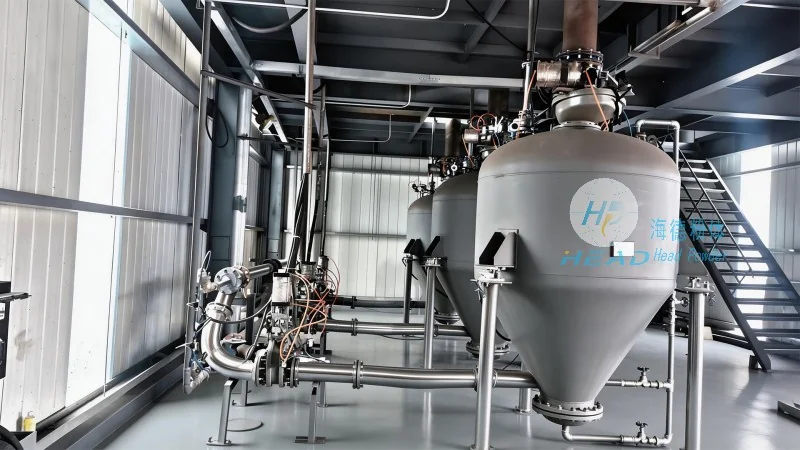
A fly ash particle pneumatic conveying system is a specialized industrial equipment designed to transport fine particulate materials, such as fly ash, through a pipeline using air or other gas as the conveying medium. This technology is widely used in power plants, cement factories, and other industrial facilities where efficient and reliable material handling is crucial. The system operates by creating a pressure differential within the pipeline, which draws the fly ash particles into the conveying line and transports them to the desired destination. This method offers several advantages over traditional mechanical conveying systems, including reduced maintenance costs, lower energy consumption, and the ability to handle materials in a dust-free environment.
Key Design Principles of Pneumatic Conveying Systems
The design of a fly ash particle pneumatic conveying system involves several critical principles that ensure optimal performance and efficiency. First, the system must be designed to handle the specific characteristics of fly ash, which includes its fine particle size, low bulk density, and potential for dust generation. The selection of the appropriate conveying velocity is a key factor; too low a velocity may cause material deposition or blockages, while too high a velocity can lead to excessive energy consumption and equipment wear. Engineers typically use the "critical velocity" concept, which is the minimum velocity required to prevent material settling in the pipeline. Additionally, the system's pressure and flow rate must be carefully controlled to maintain a stable conveying process. The use of appropriate pipeline materials, such as stainless steel or special coatings, is essential to prevent corrosion and material buildup, especially when dealing with alkaline fly ash. Furthermore, the system's layout, including the number and placement of inlets, outlets, and bends, is crucial for minimizing pressure losses and ensuring smooth material flow. The design also incorporates safety features, such as pressure relief valves and dust collection systems, to protect operators and the environment from potential hazards.
Components and Functionality of the System
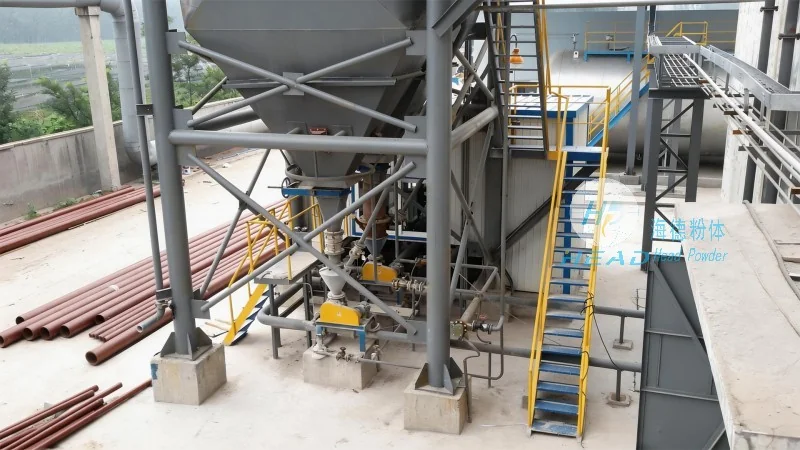
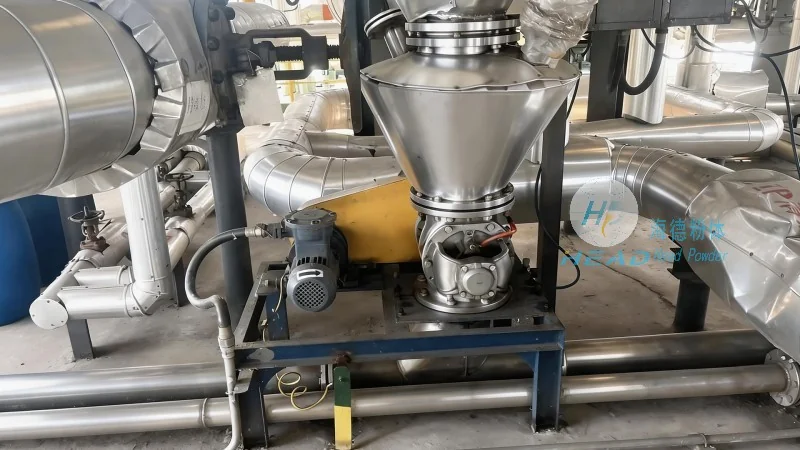
A typical fly ash particle pneumatic conveying system consists of several key components that work together to achieve efficient material transport. The primary components include a blower or compressor, which generates the necessary air pressure to move the fly ash particles. The blower is usually a positive displacement type, such as a rotary lobe or screw compressor, which provides consistent pressure and flow. The pipeline system, made of durable materials like stainless steel or PVC, connects the source of the fly ash to the destination, such as a storage silo or processing unit. The pipeline may include various fittings, such as elbows, tees, and reducers, to change direction or adjust the flow path. At the source, a hopper or feeder is used to feed the fly ash into the pipeline, ensuring a consistent flow rate. The system may also include a dust collector or filter at the end of the pipeline to capture any airborne particles and prevent environmental contamination. The control system, which includes sensors and valves, monitors the pressure, flow rate, and temperature of the system, allowing for automatic adjustments to maintain optimal performance. This integrated approach ensures that the system operates efficiently and reliably, even under varying load conditions.
Applications and Benefits in Industrial Settings
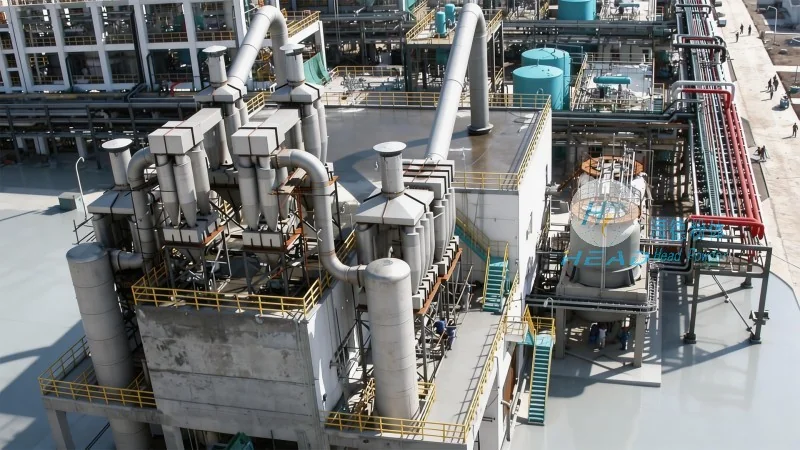
Fly ash particle pneumatic conveying systems are widely used in various industrial applications, particularly in the power generation and cement industries. In power plants, the system is used to transport fly ash from the boiler to the storage silos or to the cement production facilities for use as a raw material. The system's ability to handle fine particulate materials without the need for mechanical components makes it ideal for these applications. In cement factories, the system is used to transport fly ash as a supplementary cementitious material, which improves the quality and durability of the cement. The benefits of using a pneumatic conveying system in these applications include improved safety, as there is no need for manual handling of fly ash, reduced environmental impact due to dust control, and increased efficiency in material handling. Additionally, the system's flexibility allows for easy integration with existing industrial processes, and its low maintenance requirements result in cost savings over time.
About Shandong HeadPowder Engineering Co., Ltd.
Shandong HeadPowder Engineering Co., Ltd., commonly known as HeadPowder, is a leading manufacturer and supplier of industrial conveying systems, including fly ash particle pneumatic conveying systems. The company is headquartered in Shandong, China, and has a strong reputation for providing high-quality, reliable equipment tailored to the specific needs of its clients. HeadPowder's team of experienced engineers and technicians work closely with customers to design and develop customized conveying systems that meet their unique requirements. The company's products are manufactured using advanced technology and high-quality materials, ensuring durability and long service life. HeadPowder also provides comprehensive after-sales services, including installation, maintenance, and technical support, to ensure that its customers' systems operate at peak performance. With a commitment to quality and customer satisfaction, HeadPowder has become a trusted partner for many industrial facilities around the world.
Conclusion
In conclusion, a fly ash particle pneumatic conveying system is a sophisticated and efficient technology that plays a vital role in the handling of fine particulate materials in industrial settings. The design principles, components, and applications of such systems are carefully considered to ensure optimal performance and reliability. Companies like Shandong HeadPowder Engineering Co., Ltd. play a crucial role in providing these systems to the industry, helping to improve operational efficiency and reduce environmental impact. As the demand for efficient material handling continues to grow, the importance of pneumatic conveying systems in the industrial sector will only increase.