

What is a Precipitated Barium Sulfate Pneumatic Conveying System? What is its Design Principle?
Precipitated barium sulfate, a key industrial material, is widely used in various applications such as coatings, plastics, and pharmaceuticals. Efficient handling and transportation of this material are crucial for industrial processes. Pneumatic conveying systems offer a reliable solution for moving powders like precipitated barium sulfate, ensuring minimal dust, high throughput, and operational safety. This article explores the concept of a precipitated barium sulfate pneumatic conveying system, detailing its design principles and practical applications, with a focus on the expertise of Shandong HeadPowder Engineering Co., Ltd., a leading provider in the field.
Understanding Precipitated Barium Sulfate
Precipitated barium sulfate (BaSO₄) is a white crystalline powder produced through a precipitation process. It is known for its high purity, fine particle size, and excellent stability. In industrial settings, this material is often used as a filler or pigment, requiring precise handling to maintain its quality. The properties of precipitated barium sulfate, including its density, moisture content, and particle size distribution, directly impact the design and performance of the conveying system. For example, a finer particle size may necessitate a more sophisticated system to prevent clogging and ensure consistent flow.
The Role of Pneumatic Conveying in Material Handling
Pneumatic conveying systems use compressed air or other gases to transport bulk materials through a pipeline. This method is particularly suitable for powders like precipitated barium sulfate due to its ability to handle fine particles and minimize dust exposure. Unlike mechanical conveyors, pneumatic systems offer flexibility in layout, allowing for vertical and horizontal transport without the need for complex machinery. The primary advantages of pneumatic conveying include high efficiency, low maintenance, and the ability to transport materials over long distances. However, the design of such systems must consider factors like particle size, flow rate, and system pressure to ensure optimal performance.
Design Principles of a Precipitated Barium Sulfate Pneumatic Conveying System
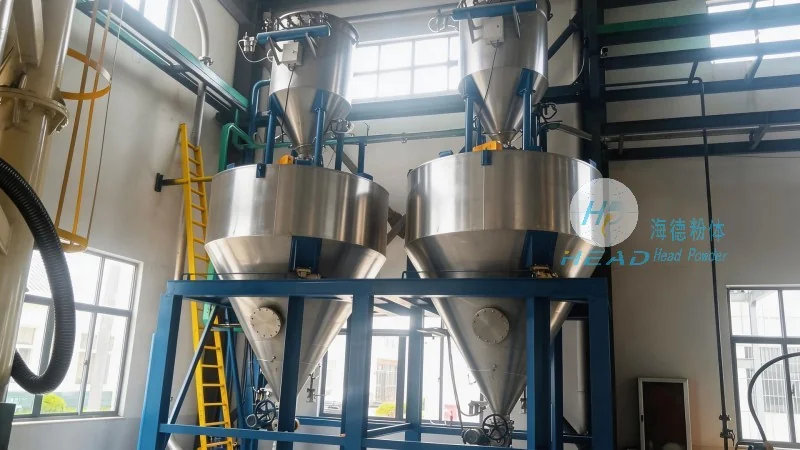
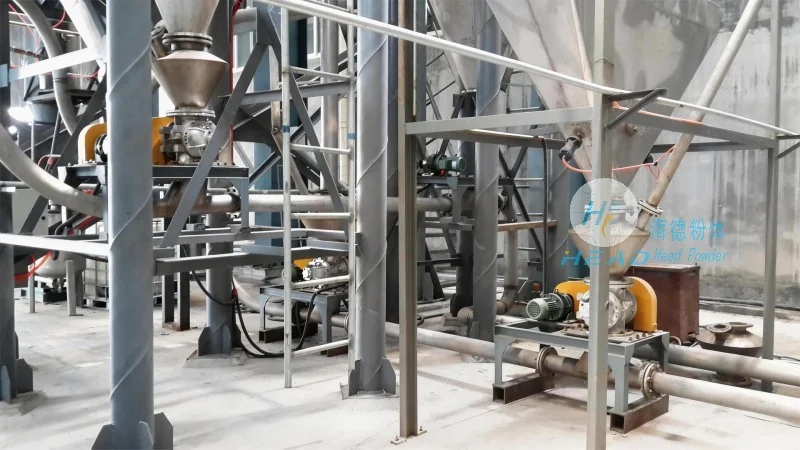
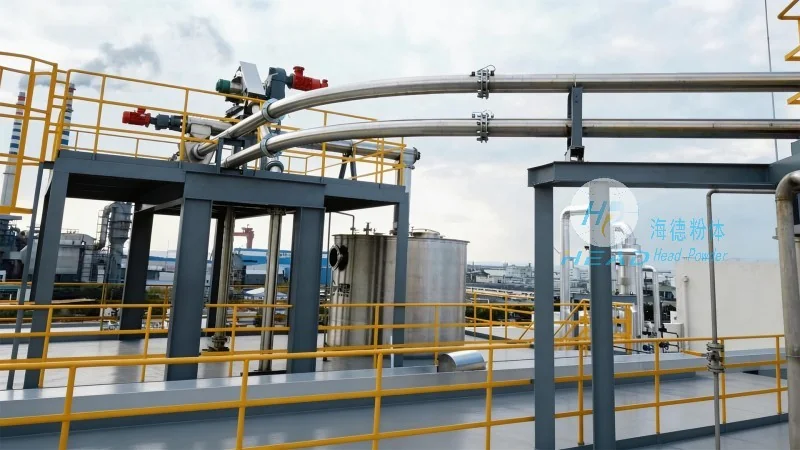
The design of a precipitated barium sulfate pneumatic conveying system involves several critical components and principles. The system typically includes a hopper for material storage, a feeder to control the flow rate, a conveying line with appropriate diameter and length, and a receiver for the discharged material. The choice of materials for the conveying line is crucial, as precipitated barium sulfate can be abrasive and may cause wear over time. Stainless steel or special alloys are often used to withstand the corrosive and abrasive nature of the material. The system also incorporates a dust collection system to ensure environmental compliance and operator safety. The design must balance the need for high throughput with the requirement to prevent material degradation or clogging. For instance, the velocity of the air in the pipeline must be sufficient to keep the particles suspended but not so high as to cause excessive wear on the system components.
Key Components and Their Functions
Each component of the pneumatic conveying system plays a vital role in the overall operation. The hopper is designed to store the precipitated barium sulfate and provide a consistent feed to the feeder. The feeder, often a rotary valve or a mass flow controller, regulates the material flow rate, ensuring a stable and controlled discharge. The conveying line, equipped with bends and elbows, must be designed to minimize pressure drop and maintain the particle-air mixture's stability. The receiver at the end of the line collects the material and may include a discharge valve to control the release. Additionally, a filter or cyclone is used to separate the material from the air, preventing dust from escaping into the environment. The control system, which monitors pressure, flow rate, and other parameters, ensures the system operates within optimal conditions, adjusting the air pressure or flow rate as needed to maintain efficiency.
Operational Considerations and Best Practices
Operating a precipitated barium sulfate pneumatic conveying system requires careful attention to several factors to ensure long-term performance and reliability. Regular maintenance is essential, including cleaning the conveying line, checking for wear on components, and replacing filters as needed. The system should be designed to handle variations in material properties, such as changes in moisture content or particle size, which can affect flow characteristics. Additionally, the system must comply with safety regulations, including proper dust collection and ventilation to protect operators from inhalation hazards. Best practices include conducting regular system checks, using appropriate filtration systems, and training operators on proper system operation. By following these guidelines, the system can achieve high efficiency and minimal downtime, contributing to overall process productivity.
Conclusion
Precipitated barium sulfate pneumatic conveying systems are an efficient and reliable solution for handling this critical industrial material. The design principles, components, and operational considerations outlined in this article highlight the importance of a well-engineered system that balances performance, safety, and cost-effectiveness. As industries continue to demand higher standards of material handling, such systems play a vital role in maintaining productivity and ensuring product quality. Shandong HeadPowder Engineering Co., Ltd., with its extensive experience and expertise, offers tailored solutions for pneumatic conveying systems, ensuring optimal performance and compliance with industry standards. Based in China, the company leverages advanced technology and engineering knowledge to deliver high-quality systems that meet the diverse needs of industrial clients.