

What is an Organic Fertilizer Granule Pneumatic Conveying System? What Are Its Design Principles?
Organic fertilizer granule pneumatic conveying systems are essential equipment in the agricultural and fertilizer processing industries. These systems are designed to efficiently transport granular organic fertilizers from one location to another, ensuring optimal material handling and process flow. The core function of such systems is to move bulk granular materials through a pipeline using air pressure, which eliminates the need for traditional mechanical conveyors like belts or screws. This method offers several advantages, including reduced equipment wear, lower energy consumption, and improved material cleanliness.
Design Principles of Pneumatic Conveying Systems
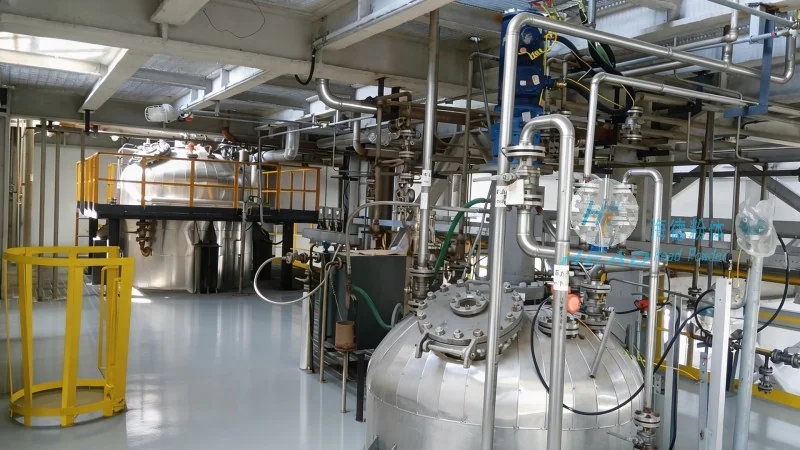
The design of an organic fertilizer granule pneumatic conveying system involves several key principles that ensure efficient and reliable operation. The primary design considerations include the material properties of the organic fertilizer granules, such as particle size, density, and moisture content, as well as the system's capacity and the distance over which the material needs to be conveyed. The system typically consists of a hopper for material storage, a blower or compressor to generate the air flow, a pipeline network to transport the material, and a receiver or discharge point for the material. The selection of the appropriate air velocity is critical; it must be high enough to lift and transport the granules but low enough to prevent excessive wear on the pipeline and components. The system may also incorporate features like cyclones or filters to separate the material from the air stream, ensuring that the fertilizer remains intact and free from contamination.
About Shandong HeadPowder Engineering Co., Ltd.
Shandong HeadPowder Engineering Co., Ltd. is a leading manufacturer and supplier of advanced material handling solutions, including pneumatic conveying systems for organic fertilizers. With a strong focus on innovation and quality, the company has established itself as a trusted partner in the agricultural and fertilizer processing sectors. HeadPowder's expertise lies in designing customized systems that meet the specific needs of clients, ensuring optimal performance and reliability. The company's facilities are located in Shandong, China, where it leverages local resources and expertise to deliver high-quality products and services. By adhering to strict quality control standards, HeadPowder ensures that its systems are built to withstand the demands of industrial use and provide long-term value to its customers.
Advantages of Organic Fertilizer Granule Pneumatic Conveying Systems
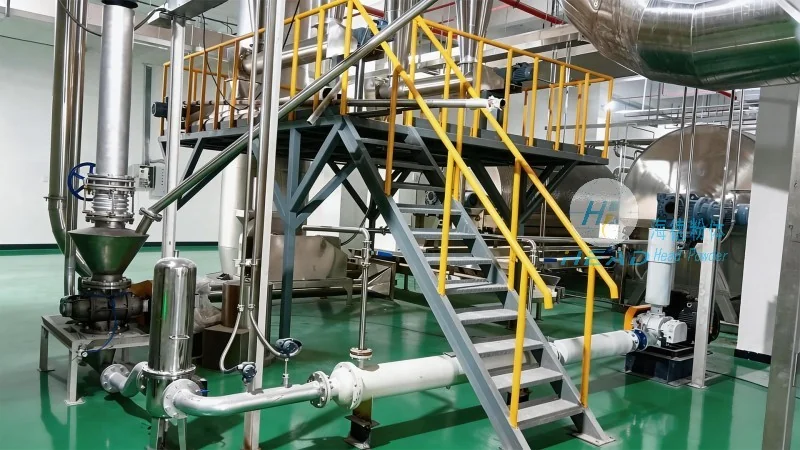
Organic fertilizer granule pneumatic conveying systems offer numerous advantages over traditional mechanical conveyors. One of the key benefits is the reduction in equipment wear and tear, as the material is transported using air rather than physical contact. This results in lower maintenance costs and longer equipment lifespan. Additionally, pneumatic systems are more energy-efficient, as they require less power to operate compared to mechanical conveyors. The systems also provide better material cleanliness, as the air stream can be filtered to remove dust and other contaminants, ensuring that the fertilizer remains free from impurities. Another advantage is the ability to handle a wide range of granule sizes and shapes, making these systems versatile for various organic fertilizer products. The systems are also compact and can be installed in confined spaces, which is beneficial for facilities with limited floor space. Furthermore, pneumatic conveying systems are less prone to clogging, as the air flow helps to prevent the accumulation of material in the pipeline, ensuring smooth and continuous operation.
Components and Operation of the Pneumatic Conveying System
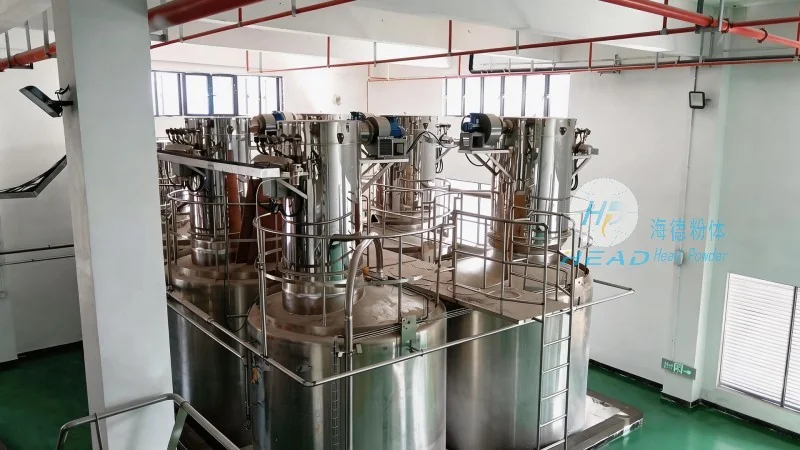
The organic fertilizer granule pneumatic conveying system typically consists of several key components that work together to transport the material. The process begins with the organic fertilizer granules being stored in a hopper. The hopper is equipped with a feeder that controls the flow of material into the system. The feeder may be a rotary valve or a screw feeder, depending on the system design. The material then enters the pipeline, where it is mixed with air from a blower or compressor. The air velocity is carefully controlled to ensure that the granules are lifted and transported through the pipeline. The system may include multiple pipeline sections, with bends and elbows to direct the material to the discharge point. At the discharge end, the material is separated from the air stream using a cyclone or filter. The air is then released into the atmosphere, while the fertilizer granules are collected in a receiver or storage bin. The system may also include a vacuum or pressure mode, depending on the application. In vacuum mode, the blower creates a negative pressure to draw the material into the pipeline, while in pressure mode, the blower forces air into the pipeline to push the material forward. The choice between vacuum and pressure mode depends on the distance and layout of the system.
Factors to Consider When Selecting a Pneumatic Conveying System
When selecting an organic fertilizer granule pneumatic conveying system, several factors must be considered to ensure optimal performance and cost-effectiveness. The first factor is the material properties of the organic fertilizer granules, including particle size, density, and moisture content. These properties affect the air velocity required for efficient transport and the system's capacity. The second factor is the distance and layout of the system, as this determines the type of pipeline and the number of bends and elbows needed. The third factor is the system's capacity, which should be matched to the production requirements of the fertilizer plant. The fourth factor is the available space and budget, as these will influence the system's design and components. Additionally, the system's maintenance requirements and operational costs should be considered, as these will impact the long-term profitability of the investment. Shandong HeadPowder Engineering Co., Ltd. offers customized solutions that take into account all these factors, ensuring that the system meets the specific needs of each client. The company's engineers work closely with clients to assess their requirements and design a system that is efficient, reliable, and cost-effective.