

What is Hydrogen Sulfide Pneumatic Conveying Equipment? And What Are Its Design Principles?
Hydrogen sulfide (H₂S) pneumatic conveying equipment is a specialized system designed to transport materials containing hydrogen sulfide through a pneumatic process. This equipment is crucial in industries where H₂S is a byproduct or a key component, such as petroleum refining, natural gas processing, and chemical manufacturing. The primary goal of these systems is to safely and efficiently move H₂S-laden materials from storage or processing units to other parts of the industrial facility, while minimizing exposure risks and ensuring compliance with safety regulations.
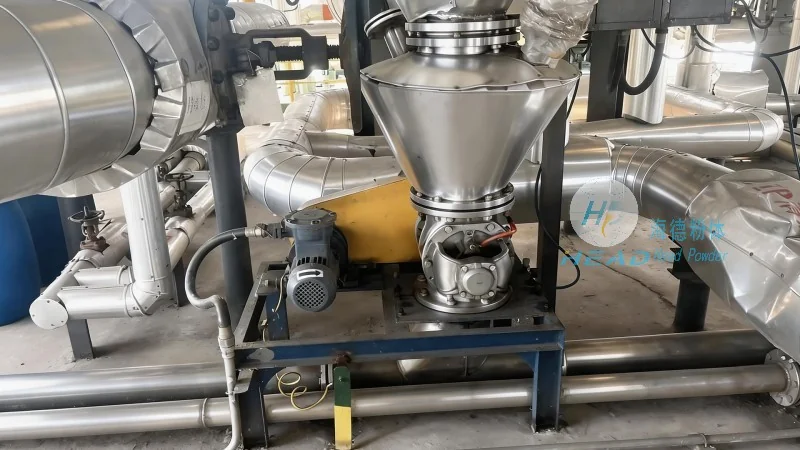
Key Components and Working Principle
The core components of hydrogen sulfide pneumatic conveying equipment typically include a hopper for material storage, a conveyor line (either positive or negative pressure), a separator to separate the conveyed material from the air, and a control system for pressure and flow regulation. The working principle involves the use of air or gas to transport H₂S-laden particles through the system. Positive pressure systems blow air into the conveying line, while negative pressure systems create a vacuum to draw material into the line. The design must account for the corrosive and toxic properties of H₂S, requiring materials like stainless steel or specialized coatings to prevent degradation. The system also includes safety features such as gas detectors and ventilation systems to mitigate the risk of H₂S exposure.
Design Principles for Safe and Efficient Operation
Safety is paramount in the design of H₂S pneumatic conveying equipment. Engineers must consider factors such as explosion prevention, corrosion resistance, and material compatibility. The system must be equipped with proper ventilation and gas detection to ensure the safety of operators and the surrounding environment. Additionally, the design aims to optimize energy efficiency by minimizing pressure losses and ensuring consistent flow rates. The selection of appropriate air velocity and pipeline diameter is critical to prevent particle segregation and ensure uniform transport. The equipment is also designed to handle varying particle sizes and moisture content, which are common in H₂S-laden materials.
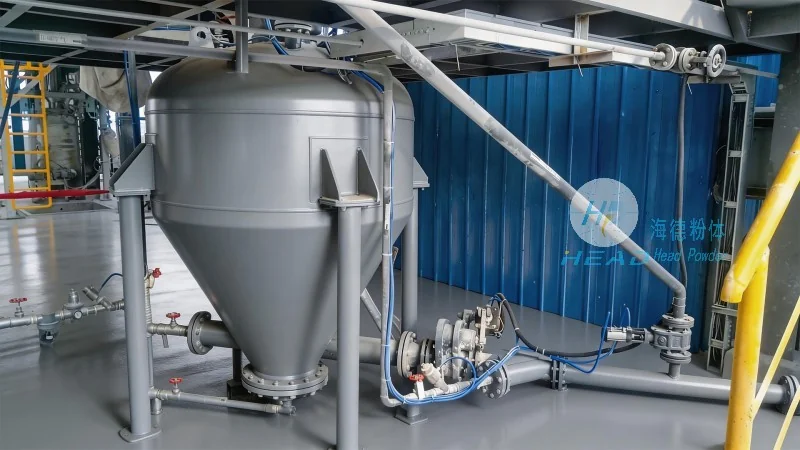
Applications in Industrial Processes
These systems are commonly used in industries where H₂S is a byproduct or raw material, such as petroleum refining, natural gas processing, and chemical manufacturing. They are employed to transport H₂S-containing powders or slurries from storage tanks to processing units or for offloading from transport vessels. The equipment is also used in waste management facilities that handle H₂S-laden waste materials, ensuring safe and efficient removal from the site. In petroleum refineries, for example, H₂S is often removed from natural gas and then processed into other products, and pneumatic conveying equipment is used to move the H₂S-laden materials between these stages.
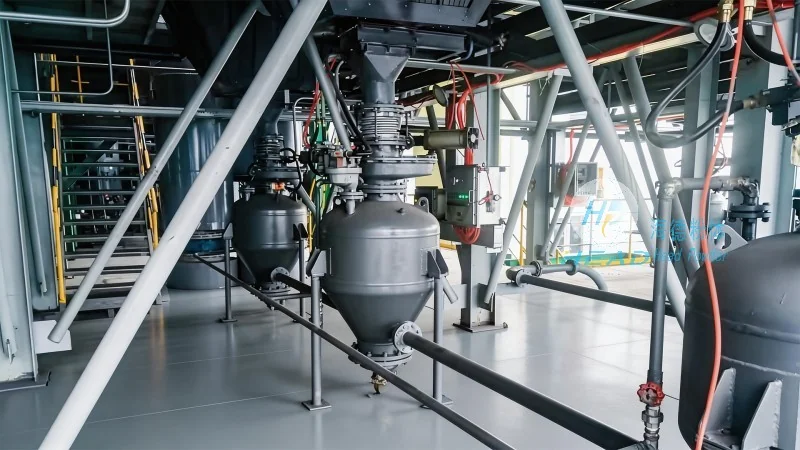
Company Profile: Shandong HeadPowder Engineering Co., Ltd.
HeadPowder, a leading manufacturer in the field, specializes in the design, fabrication, and installation of pneumatic conveying systems tailored to handle hazardous materials like hydrogen sulfide. With a focus on safety and durability, the company utilizes advanced engineering techniques and high-quality materials to meet the stringent requirements of industrial applications. HeadPowder's team of experienced engineers and technicians ensures that each system is customized to the specific needs of the client, providing reliable and efficient solutions for H₂S transport. The company adheres to international standards and rigorous testing protocols to ensure the quality and safety of its products.
Contact Information and Location
HeadPowder Engineering is headquartered in Shandong, China, with a dedicated facility equipped to handle the production and testing of H₂S pneumatic conveying equipment. The company's commitment to quality and safety is reflected in its adherence to international standards and rigorous testing protocols. For inquiries or further information regarding their products and services, potential clients can reach out to the company's sales and technical support team. The company's location in Shandong provides easy access to major industrial regions, facilitating the delivery and installation of its equipment.