

What is a Regenerated Sand Pneumatic Conveying Equipment? What Are Its Design Principles?
For manufacturers in the foundry industry, the efficient handling of regenerative sand is a critical concern. A regenerative sand pneumatic conveying system offers a solution to this challenge by providing a reliable method for transporting sand materials within a foundry environment. This article will explore the concept of regenerative sand pneumatic conveying equipment and delve into the fundamental design principles that underpin its operation.
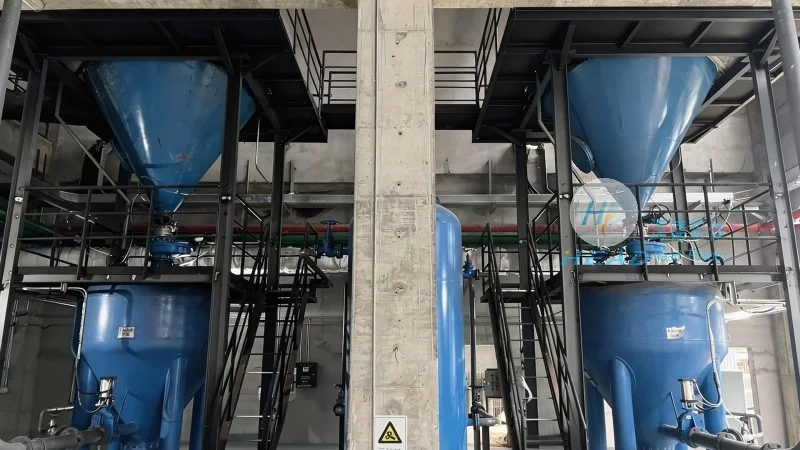
Understanding Regenerative Sand Pneumatic Conveying Equipment
Regenerative sand, also known as reclaimed sand, is a key material in the casting process. It consists of used sand that has been cleaned and reconditioned for reuse. The primary goal of a regenerative sand pneumatic conveying system is to transport this material from one location to another within a foundry, such as from a sand reclamation unit to a molding machine or from a storage silo to a processing area. The equipment utilizes compressed air or other gases to move the sand particles through a network of pipes, ensuring a clean and efficient transfer process.
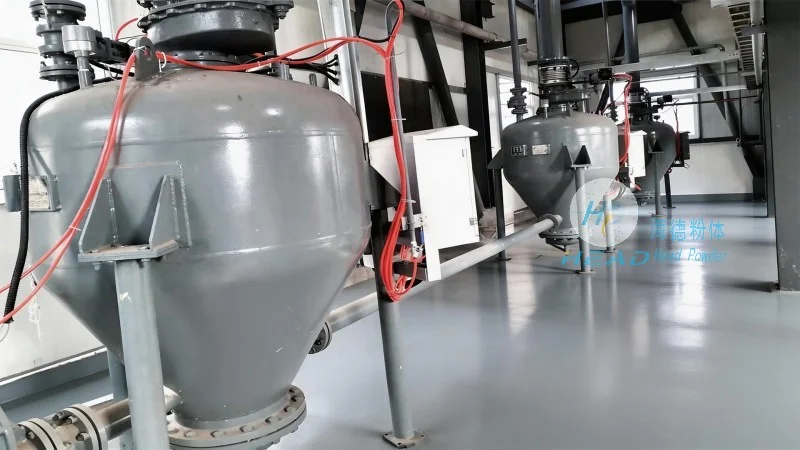
Key Components of the System
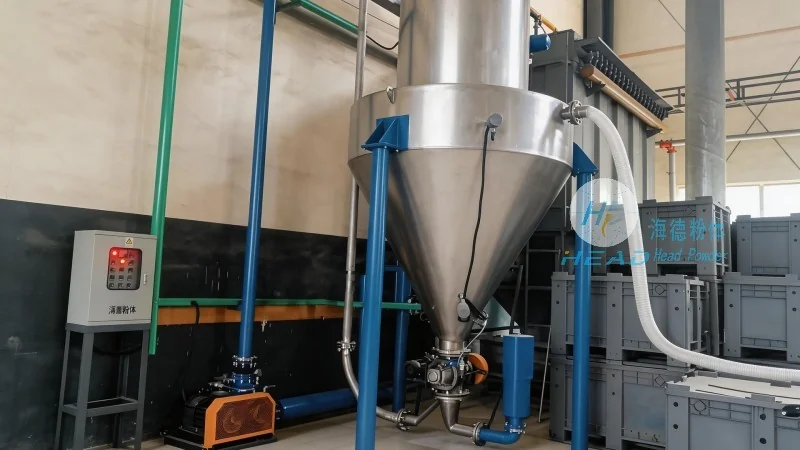
The regenerative sand pneumatic conveying system typically consists of several key components that work in tandem to achieve effective material transport. These components include a hopper or feeder for material input, a conveying line (often made of stainless steel or other corrosion-resistant materials to handle sand and moisture), a pressure vessel or receiver to collect the conveyed sand, and a control system to regulate the flow and pressure of the conveying medium. Additionally, the system may incorporate filters or cyclones to separate any fine particles or dust from the air stream, ensuring a clean and safe operation.
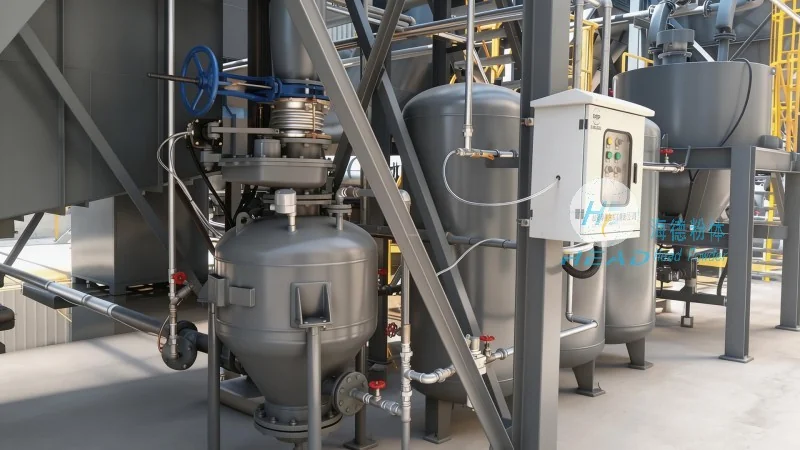
Design Principles for Efficient Conveying
The design of a regenerative sand pneumatic conveying system is based on several critical principles to ensure optimal performance and reliability. One of the primary principles is the selection of an appropriate conveying velocity, which must be high enough to overcome the resistance of the sand particles in the pipe but not so high as to cause excessive wear or energy consumption. The system's design also considers the particle size and density of the regenerative sand, as these factors directly impact the required air pressure and flow rate. Furthermore, the layout of the conveying line is carefully planned to minimize bends and changes in direction, as these can cause pressure drops and reduce the system's efficiency.
Advantages of Using Regenerative Sand Pneumatic Conveying
Implementing a regenerative sand pneumatic conveying system offers numerous advantages for foundry operations. By automating the transport of reclaimed sand, the system reduces labor costs and improves the consistency of the casting process. The enclosed system also helps to maintain a clean and dust-free environment, which is essential for both worker safety and product quality. Additionally, the system's ability to handle large volumes of material efficiently makes it an ideal solution for high-production foundries. The use of regenerative sand not only reduces the need for new sand but also contributes to environmental sustainability by minimizing waste and reducing the carbon footprint of the foundry.
Conclusion
In conclusion, a regenerative sand pneumatic conveying equipment is a vital component in modern foundry operations, providing an efficient and reliable method for handling reclaimed sand. The design principles that govern its operation, including the selection of appropriate components, conveying velocity, and system layout, are crucial to achieving optimal performance. By understanding these principles and implementing a well-designed system, foundries can improve their operational efficiency, reduce costs, and enhance their environmental sustainability. As a leading provider in this field, Shandong HeadPowder Engineering Co., Ltd. specializes in the design and manufacturing of such systems, offering customized solutions tailored to the specific needs of foundry clients.