

Comparison of Common Mineral Particle Conveying Methods
Mineral particle conveying is a critical process in various industrial applications, ensuring efficient material transport from one location to another. For industries dealing with bulk materials such as ores, powders, and granules, selecting the right conveying method is essential for optimizing productivity, reducing operational costs, and maintaining material integrity. This article provides a detailed comparison of common mineral particle conveying methods, highlighting their advantages, applications, and suitability for different industrial scenarios. The information is presented by Shandong HeadPowder Engineering Co., Ltd., a leading manufacturer in the field, with a focus on practical insights for industry professionals.
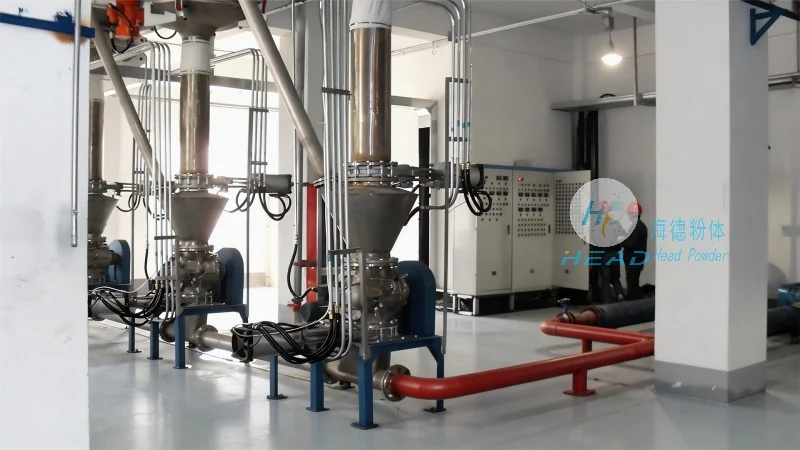
Overview of Key Conveying Methods
There are several primary methods used for mineral particle conveying, each with distinct characteristics and operational principles. The most common approaches include screw conveyors, belt conveyors, pneumatic (air) conveyors, and bucket elevators. Each method is designed to handle specific material types, particle sizes, and operational environments, making the selection process crucial for achieving optimal performance.
Screw Conveyors: A Versatile Option for Bulk Material Handling
Screw conveyors, also known as auger conveyors, are among the most widely used equipment for transporting dry, free-flowing materials. These systems consist of a rotating screw (auger) inside a trough or tube, which moves material along the length of the conveyor. HeadPowder's screw conveyors are engineered to handle a wide range of materials, including powders, granules, and small-sized particles. The design allows for gentle material handling, minimizing degradation or segregation of the product. Screw conveyors are particularly suitable for horizontal or slightly inclined applications, with a maximum inclination of about 20 degrees for most materials. They are commonly used in industries such as mining, food processing, and chemical manufacturing. The key advantages of screw conveyors include their compact design, low maintenance requirements, and ability to handle materials with varying moisture content. However, they may not be ideal for very large or abrasive particles, as this can lead to increased wear and reduced efficiency.
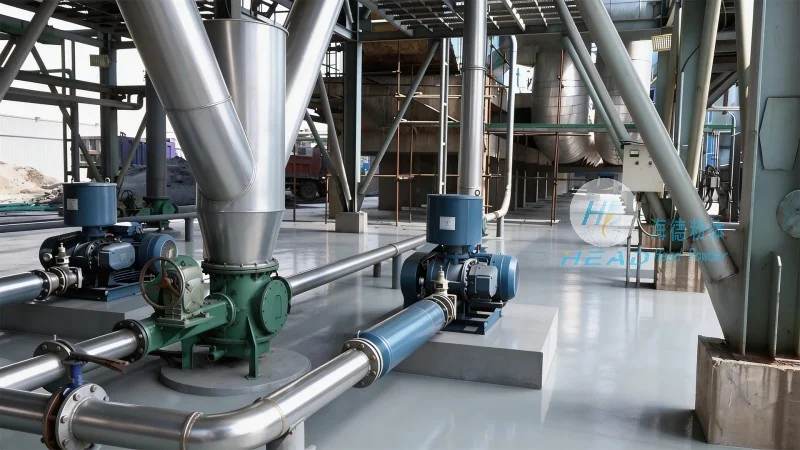
Belt Conveyors: High-Capacity Solutions for Long-Distance Transport
Belt conveyors are the workhorses of bulk material handling, capable of transporting large volumes of materials over long distances. These systems utilize a continuous belt that moves over rollers or pulleys, carrying the material from the loading point to the discharge point. HeadPowder's belt conveyors are designed with heavy-duty components to withstand high loads and harsh operating conditions. The conveyor belts are available in various materials, such as rubber or synthetic fabrics, to suit different material types and environmental factors. Belt conveyors are ideal for horizontal or slightly inclined transport, with a maximum inclination of about 18 degrees for standard designs. They are commonly used in mining, construction, and agricultural industries for transporting ores, coal, and other bulk materials. The primary advantages of belt conveyors include high throughput capacity, low energy consumption per ton-mile, and the ability to handle large particle sizes. However, they require more space than screw conveyors and may need additional equipment for material loading and unloading.
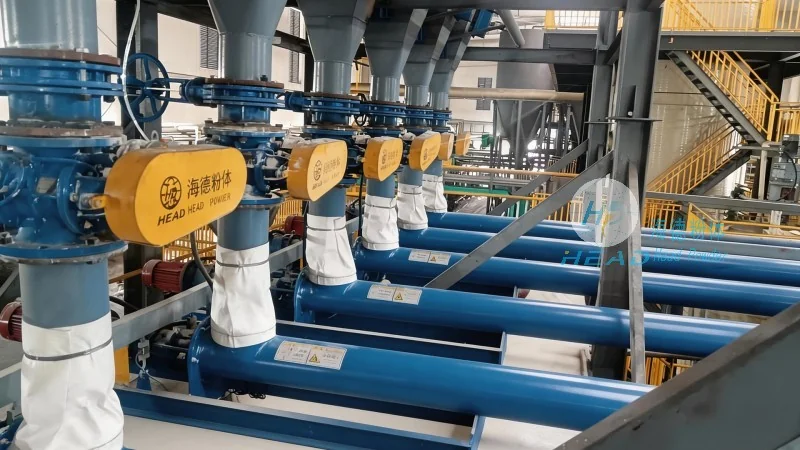
Pneumatic Conveyors: Air-Driven Systems for Fine Powders
Pneumatic conveyors, also known as air slides or air lifts, use compressed air to transport dry, fine powders and granules. These systems consist of a pipeline with a series of inlets and outlets, where material is drawn into the system by the air flow. HeadPowder's pneumatic conveyors are designed to handle materials with high moisture content or those prone to caking, as the air flow prevents material buildup and ensures smooth transport. Pneumatic conveyors are particularly suitable for vertical or long-distance horizontal transport, with the ability to move materials over distances of several hundred meters. They are commonly used in the chemical, pharmaceutical, and food industries for transporting powders such as flour, cement, and pharmaceuticals. The key advantages of pneumatic conveyors include their ability to handle fine particles without degradation, low maintenance requirements, and the ability to transport materials through vertical lifts. However, they may not be suitable for very large or heavy particles, as the air pressure required can be high, leading to increased energy consumption.
Bucket Elevators: Vertical Transport for Bulk Materials
Bucket elevators are specialized equipment designed for vertical transport of bulk materials. These systems consist of a vertical or slightly inclined conveyor with a series of buckets attached to a chain or belt. The buckets are filled with material at the bottom and transported upward, where they discharge the material at the top. HeadPowder's bucket elevators are engineered to handle a wide range of materials, including abrasive ores and heavy granules. The design allows for high vertical lift capabilities, with some models capable of lifting materials to heights of over 100 meters. Bucket elevators are commonly used in mining, cement, and food processing industries for transporting raw materials and finished products. The primary advantages of bucket elevators include their ability to handle large vertical distances, high capacity, and the ability to transport materials in a closed system, preventing dust and contamination. However, they require more maintenance than other conveyor types due to the moving parts and may not be suitable for very fine or sticky materials.