

Comparison of Common Steel and Lime Conveying Methods
When it comes to transporting steel and lime materials in industrial settings, selecting the right conveying system is crucial for efficiency, safety, and cost-effectiveness. Shandong HeadPowder Engineering Co., Ltd., a leading provider in the field, offers a range of solutions tailored to meet diverse operational needs. This article provides a detailed comparison of common steel and lime conveying methods, highlighting their applications, advantages, and considerations.
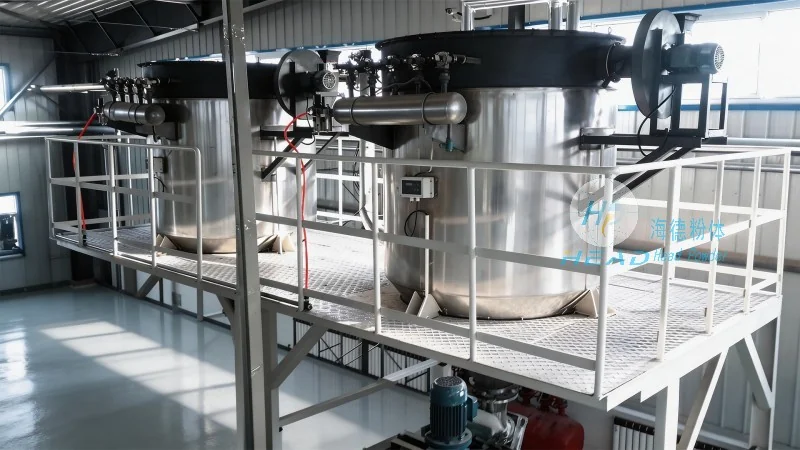
Overview of Conveying Systems for Steel and Lime
Conveying systems are essential for moving bulk materials like steel and lime from one location to another within a facility. The choice of system depends on factors such as material characteristics, distance, volume, and environmental requirements. Key factors to consider include material density, particle size, moisture content, and the need for dust control or environmental compliance. Shandong HeadPowder Engineering Co., Ltd. specializes in designing and manufacturing customized conveying solutions that address these variables effectively.
1. Screw Conveyors for Steel and Lime Handling
Screw conveyors, also known as auger conveyors, are widely used for transporting steel and lime due to their simplicity and reliability. These systems consist of a rotating helical screw inside a trough, which moves material forward through the conveyor. Screw conveyors are particularly effective for handling dry, free-flowing materials like lime and can be adapted for steel scrap or other bulk materials with appropriate modifications. One of the primary advantages of screw conveyors is their ability to operate in a closed environment, minimizing dust exposure and ensuring compliance with environmental regulations. They are also relatively low-cost to install and maintain, making them a popular choice for many industrial applications. However, screw conveyors may experience wear and tear on the screw and trough over time, especially when handling abrasive materials like steel. Regular maintenance is essential to ensure optimal performance and longevity.
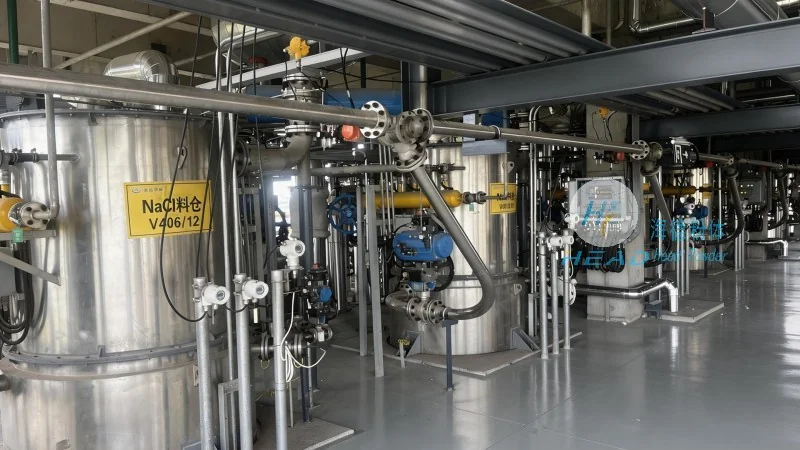
2. Pneumatic Conveying Systems for Steel and Lime
Pneumatic conveying systems use air or other gases to transport materials through a pipeline. This method is ideal for handling fine or dusty materials like lime, as it can effectively control dust and prevent material loss. Pneumatic conveyors are available in two main types: pressure and vacuum. Pressure systems push material through the pipeline using compressed air, while vacuum systems draw material into the system using a vacuum pump. For steel and lime applications, pressure systems are often preferred as they can handle larger particle sizes and higher material loads. Pneumatic conveying offers advantages such as flexibility in layout, as the pipeline can be routed around obstacles, and the ability to transport materials over long distances. However, these systems require significant energy input to operate the air compressor, and they may be less efficient for very heavy or abrasive materials like steel. Additionally, proper filtration and air handling are necessary to prevent dust accumulation and ensure system longevity.
3. Belt Conveyors for Bulk Material Transport
Belt conveyors are a classic and widely used method for transporting steel and lime over medium to long distances. These systems consist of a continuous belt that moves over rollers or idlers, carrying the material from the loading point to the discharge point. Belt conveyors are highly efficient for handling large volumes of material and can be designed to operate at high speeds, increasing throughput. They are particularly suitable for transporting steel scrap or other heavy materials, as the belt can be reinforced with steel or other durable materials to withstand the load. One of the key advantages of belt conveyors is their ability to handle a wide range of material types and sizes, including irregularly shaped pieces of steel. They are also relatively low-maintenance compared to other systems, with regular inspection of the belt and rollers being sufficient to ensure performance. However, belt conveyors require a significant amount of space for installation and may not be suitable for vertical lifting applications. Additionally, they can be susceptible to material buildup on the belt, which may affect efficiency and require periodic cleaning.
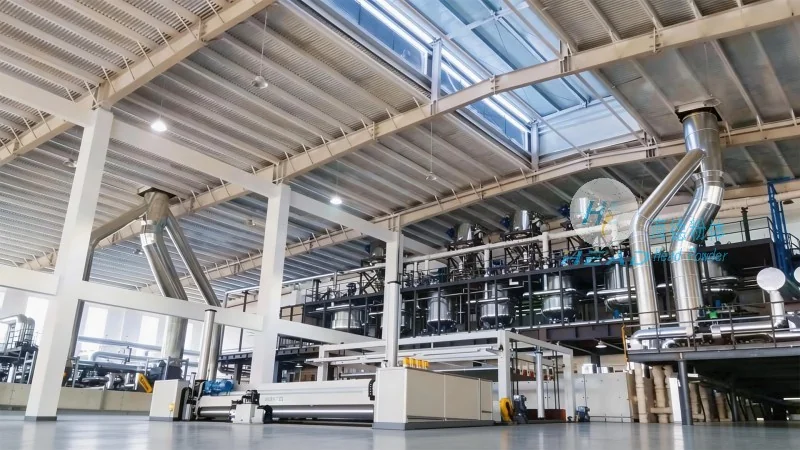
4. Bucket Elevators for Vertical Conveying
Bucket elevators are specialized conveying systems designed for vertical transport of materials like steel and lime. These systems consist of a vertical or inclined conveyor with a series of buckets attached to a chain or belt. As the conveyor rotates, the buckets scoop up material at the bottom and discharge it at the top. Bucket elevators are highly efficient for vertical lifting and can handle a wide range of material types, including heavy and abrasive materials like steel. They are particularly useful in facilities where vertical space is limited or where material needs to be elevated to a higher level. One of the main advantages of bucket elevators is their ability to transport materials vertically without the need for additional space, making them ideal for confined areas. However, bucket elevators require careful design to ensure proper loading and discharge, as improper operation can lead to material spillage or system failure. They also tend to be more complex and expensive to install compared to other conveying systems, and regular maintenance of the buckets and chain is necessary to prevent wear and tear.
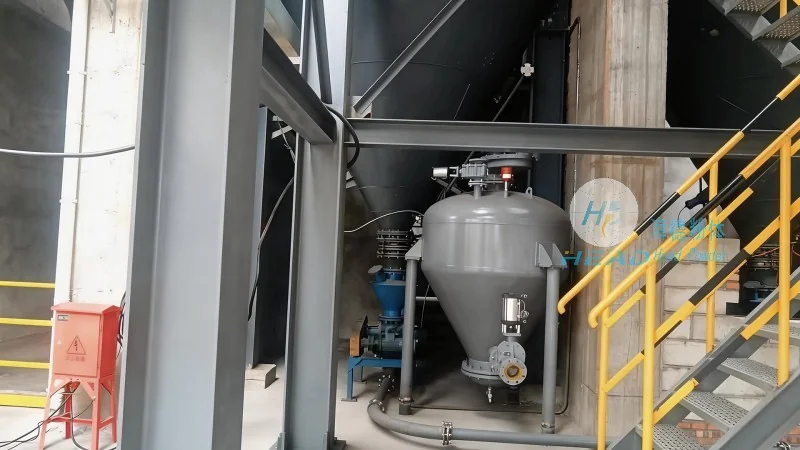
5. Hydraulic Conveying Systems
Hydraulic conveying systems use fluid pressure to transport materials through a pipeline. This method is less common for steel and lime applications but can be effective for handling wet or sticky materials. Hydraulic systems typically involve a pump that forces a liquid medium through the pipeline, carrying the material along with it. For steel and lime, hydraulic conveying may be used in specific scenarios where other systems are not suitable, such as transporting materials in a closed loop or in environments where dust control is critical. One of the key advantages of hydraulic systems is their ability to handle high-viscosity materials and prevent clogging, which can be a problem with pneumatic or screw conveyors. However, hydraulic systems require specialized equipment and maintenance, and they may be less efficient for dry, free-flowing materials like lime. Additionally, the cost of hydraulic components and the need for fluid management can make this option less attractive for many industrial applications.
Key Considerations for Selecting a Conveying System
When choosing a conveying system for steel and lime, several factors must be carefully evaluated to ensure the best fit for the application. First, the material characteristics, such as particle size, density, and moisture content, play a critical role in determining the most suitable system. For example, fine lime powder may be better suited for pneumatic or screw conveyors, while larger steel pieces may require belt or bucket elevators. Second, the distance and layout of the facility must be considered, as different systems are better suited for horizontal or vertical transport. Third, environmental and safety regulations must be taken into account, as some systems may require dust control or explosion-proof designs. Finally, the cost of installation, operation, and maintenance should be evaluated to ensure the system provides a good return on investment. Shandong HeadPowder Engineering Co., Ltd. offers expert consultation and customized solutions to help clients select the most appropriate conveying system for their specific needs, ensuring optimal performance and compliance with industry standards.