

What is a Mineral Sand Pneumatic Conveying System? What Are Its Design Principles?
For industries dealing with mineral sands, efficient material handling is crucial. The mineral sand pneumatic conveying system, developed by Shandong HeadPowder Engineering Co., Ltd., offers a reliable solution for transporting mineral sands over short to medium distances. This article explores the concept of such systems and delves into their design principles, highlighting how they enhance operational efficiency and safety in material handling processes.
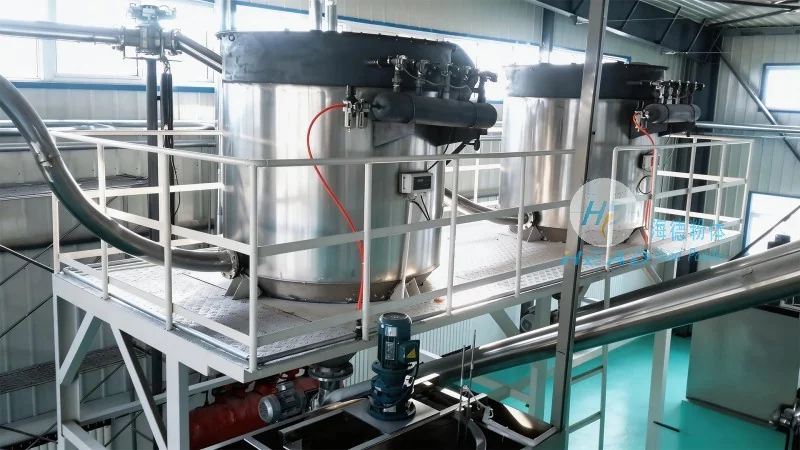
Components of a Mineral Sand Pneumatic Conveying System
A typical mineral sand pneumatic conveying system consists of several key components that work in tandem to transport material. The main elements include a hopper for material storage, a conveyor line (either positive or negative pressure), a filter system to capture dust, and a discharge unit. The hopper ensures a consistent feed of mineral sand, while the conveyor line, often equipped with flexible hoses or rigid pipes, moves the material from the source to the destination. The filter system is critical for maintaining air quality and preventing dust contamination, which is essential in industrial environments. The discharge unit then releases the mineral sand at the desired location, completing the conveying process.
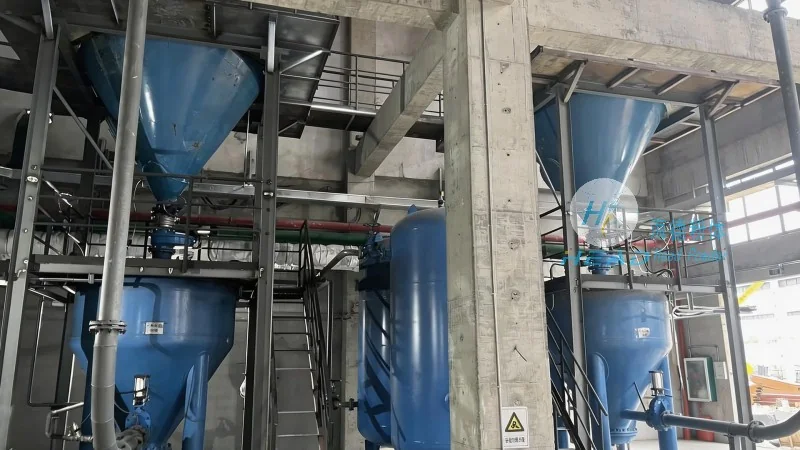
Design Principles for Mineral Sand Pneumatic Conveying
The design of a mineral sand pneumatic conveying system is based on fundamental principles of fluid dynamics and material handling. The system operates by creating a flow of air or gas that transports the mineral sand particles. The key design considerations include the material's properties, such as particle size, density, and moisture content, as well as the required conveying distance and throughput. Engineers at Shandong HeadPowder Engineering Co., Ltd. carefully calculate the air velocity and pressure needed to ensure efficient transport without causing particle degradation or system blockages. The system's design also incorporates features like pulse jets or rotary valves to maintain consistent flow and prevent clogging, which are vital for long-term operational reliability. Additionally, the system is designed to minimize energy consumption while maximizing material handling capacity, making it an economical choice for industrial applications.
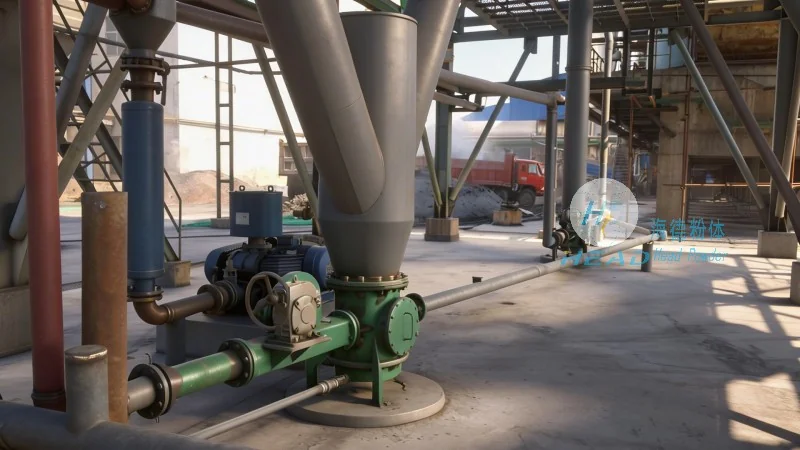
Advantages of Using a Mineral Sand Pneumatic Conveying System
Implementing a mineral sand pneumatic conveying system offers several advantages over traditional methods like belt conveyors or bucket elevators. One of the primary benefits is the ability to transport material in a closed system, which reduces dust emissions and improves workplace safety. This is particularly important for mineral sands, which can be fine and generate significant dust during handling. The closed system also helps maintain material quality by preventing contamination from external sources. Another advantage is the flexibility of the system, as it can be easily reconfigured to accommodate changes in production needs or facility layout. The system's compact design allows for installation in spaces where traditional conveyors may not fit, making it suitable for both new and existing industrial sites. Furthermore, the system operates with minimal maintenance, as the components are designed to withstand the abrasive nature of mineral sands, reducing downtime and maintenance costs over the system's lifespan.
Applications in Industrial Settings
Mineral sand pneumatic conveying systems are widely used in various industrial applications where mineral sands are processed or transported. These include mining operations, where the system is used to move crushed mineral sands from crushers to storage silos or processing plants. In the chemical industry, the system is employed to transport mineral sands used as raw materials for manufacturing processes. The system is also utilized in the construction industry for transporting sand and other mineral aggregates to job sites. Additionally, in the food and pharmaceutical industries, where mineral sands are used as filtration media or as a component in certain products, the system ensures hygienic and dust-free handling. The versatility of the system makes it suitable for a wide range of applications, from small-scale operations to large industrial plants, providing a reliable and efficient solution for material handling needs.
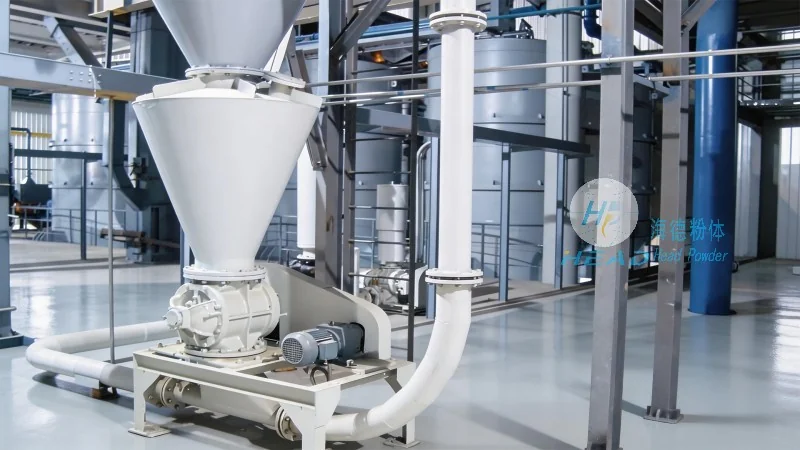
Maintenance and Operational Considerations
Proper maintenance is essential to ensure the long-term performance and reliability of a mineral sand pneumatic conveying system. Regular inspections of the conveyor line, filter system, and discharge unit are necessary to identify and address any issues before they escalate into major problems. The filter system, in particular, requires periodic cleaning to maintain its efficiency and prevent clogging. Engineers at Shandong HeadPowder Engineering Co., Ltd. recommend routine checks of air pressure and flow rates to ensure the system operates within optimal parameters. Additionally, the system's components should be inspected for wear and tear, especially the parts that come into contact with the abrasive mineral sands. Proper lubrication of moving parts and timely replacement of worn components can significantly extend the system's lifespan and reduce maintenance costs. By following these maintenance practices, industrial facilities can ensure the consistent and efficient operation of their mineral sand pneumatic conveying systems, maximizing productivity and minimizing downtime.