

What is a Coating Pneumatic Conveying System? And What Are Its Design Principles?
Coating pneumatic conveying systems are specialized equipment used in industrial applications to transport powders, particularly those used in coating processes. These systems utilize air or gas to move material from one location to another, offering a flexible and efficient method for handling materials that might be difficult to transport via traditional methods like gravity or mechanical conveyors.
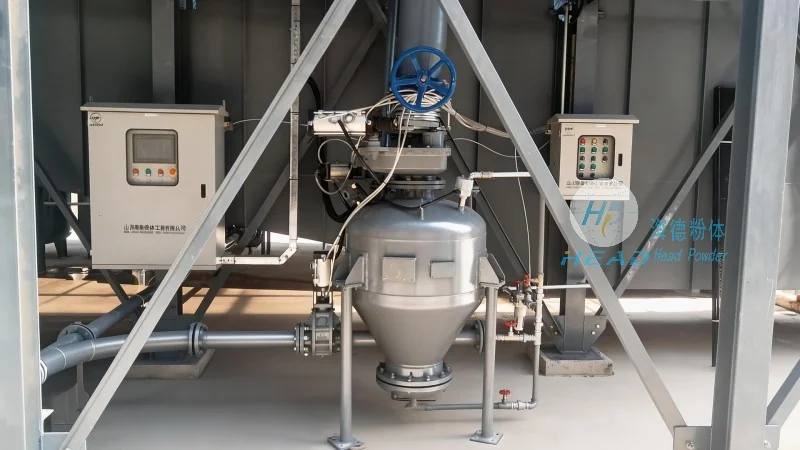
HeadPowder, a leading provider in this field, specializes in designing and manufacturing such systems. With headquarters in Shandong, China, the company leverages years of expertise to deliver tailored solutions that meet the specific needs of various industries.
Understanding the Core Function of Coating Pneumatic Conveying Systems
The primary function of a coating pneumatic conveying system is to transport dry coating materials, such as pigments, binders, and other additives, from a storage or processing area to a production line or storage location. This is achieved by creating a flow of air that carries the powder through a pipeline. The system is particularly effective for materials that are fine, abrasive, or prone to clogging in traditional conveyors.
Key Design Principles Behind Coating Pneumatic Conveying Systems
The design of a coating pneumatic conveying system is built on several fundamental principles that ensure efficient and reliable material transport. The most critical principle involves the use of air pressure to create a flow of material through a pipeline. This is achieved by creating a pressure differential between the source and destination points, which propels the powder forward. The air velocity must be sufficient to keep the powder suspended and prevent it from settling or clogging the pipeline.
Another key design principle is the selection of appropriate materials for the system components. Since coating materials can be corrosive or abrasive, the pipeline, feed hoppers, and discharge hoppers are typically made from stainless steel or other corrosion-resistant materials. This ensures the system's longevity and maintains the quality of the coating material throughout the transport process.
Components and Layout of a Typical Coating Pneumatic Conveying System
A typical coating pneumatic conveying system consists of several key components, each playing a vital role in the overall operation. The main components include the material feed hopper, the air compressor or blower, the conveying pipeline, and the discharge hopper. The feed hopper is responsible for introducing the coating material into the system, often using a rotary valve or screw feeder to control the flow rate. The air compressor generates the necessary air pressure to move the material; the pressure and flow rate are carefully calibrated based on the material's properties and the system's layout.
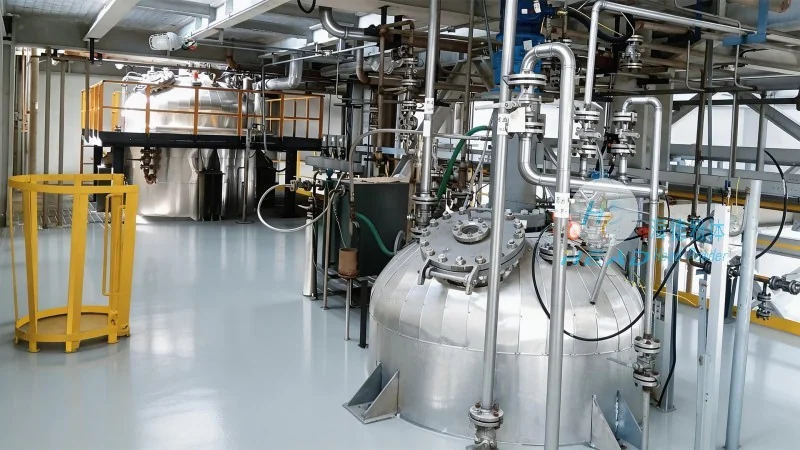
The conveying pipeline is the central part of the system, often laid out in a straight or slightly curved path to minimize pressure loss and ensure smooth material flow. The pipeline is typically made of stainless steel or plastic, with appropriate fittings and elbows to accommodate changes in direction. The discharge hopper collects the material at the destination point, often equipped with a dust collection system to capture any airborne particles and maintain a clean working environment.
Factors to Consider in Designing a Coating Pneumatic Conveying System
Designing an effective coating pneumatic conveying system requires careful consideration of several factors to ensure optimal performance and efficiency. The first factor is the physical properties of the coating material, including its particle size, density, and moisture content. These properties determine the air velocity and pressure required for successful transport. For example, finer particles may require higher air velocities to remain suspended, while larger particles may need lower velocities to avoid excessive wear on the system components.
Another important factor is the system's layout, including the length and elevation changes of the pipeline. The height difference between the source and destination points can significantly impact the required air pressure. A longer or more elevated pipeline will need a higher pressure to overcome the gravitational force and maintain material flow. Engineers must calculate the pressure drop along the pipeline and ensure the compressor can provide sufficient pressure to compensate for these losses.
Environmental considerations are also crucial in the design of coating pneumatic conveying systems. The system must be designed to minimize dust emissions and ensure compliance with local environmental regulations. This often involves incorporating dust collection systems, such as cyclones or bag filters, at the discharge point or along the pipeline. Additionally, the system should be designed to handle any potential air leaks or pressure fluctuations that could affect material transport or cause safety hazards.
Applications of Coating Pneumatic Conveying Systems
Coating pneumatic conveying systems are widely used in various industries where the transport of fine powders is essential. In the paint and coatings industry, these systems are commonly used to transport pigments, binders, and other dry ingredients to the production line. The ability to handle these materials without clogging or degradation makes them ideal for applications where product quality is paramount.
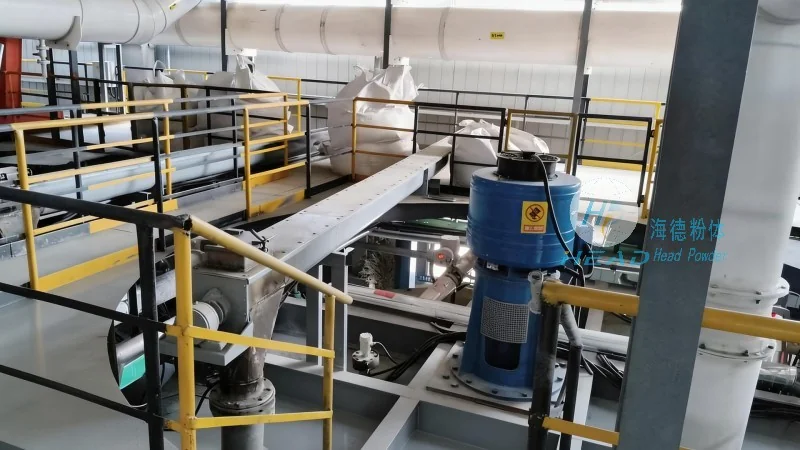
In the pharmaceutical industry, coating pneumatic conveying systems are used to transport active pharmaceutical ingredients (APIs) and excipients, ensuring a clean and controlled environment for material handling. The systems are designed to meet stringent regulatory requirements, including those related to contamination and dust control.
In the food processing industry, these systems are used to transport food-grade powders, such as spices, flavorings, and colorants, to production lines. The systems are typically designed with sanitary components to prevent contamination and ensure compliance with food safety regulations.
HeadPowder Engineering Co., Ltd.: Delivering Customized Solutions
HeadPowder Engineering Co., Ltd., based in Shandong, China, is a trusted partner for businesses seeking reliable coating pneumatic conveying systems. The company combines advanced engineering with practical application knowledge to develop solutions that enhance productivity and reduce operational costs. With a team of experienced engineers and technicians, HeadPowder works closely with clients to understand their specific requirements and provides customized designs that meet their unique needs.
The company's commitment to quality and innovation is reflected in its state-of-the-art manufacturing facilities and rigorous testing processes. Each system is thoroughly tested to ensure it meets the highest standards of performance and reliability. HeadPowder's products are designed to be durable, efficient, and easy to maintain, providing long-term value to its clients.
By leveraging its expertise in pneumatic conveying technology, HeadPowder helps industries improve their material handling processes, reduce downtime, and enhance overall operational efficiency. The company's focus on customer satisfaction and technical excellence has made it a leading provider in the field, serving clients both domestically and internationally.