

What is a Foam Pneumatic Conveying System? Understanding Its Design Principles
Foam pneumatic conveying systems represent a sophisticated method for transporting bulk materials through a pressurized air stream, often enhanced with a foam medium to improve efficiency and material handling capabilities. This technology is widely utilized in various industrial sectors, offering a flexible and effective solution for material transport challenges. Understanding the design principles and operational aspects of such systems is crucial for optimizing material handling processes and ensuring efficient production workflows.
Design Principles of Foam Pneumatic Conveying Systems
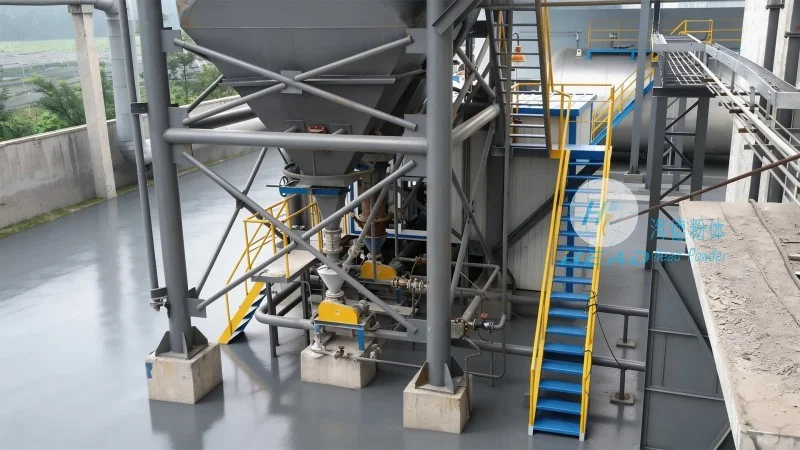
The design of foam pneumatic conveying systems is based on several fundamental principles that ensure optimal performance and material transport. These principles include maintaining consistent air pressure and flow rates, controlling the foam-to-air ratio to achieve the desired conveying efficiency, and ensuring proper material feeding and discharge mechanisms. Engineers from Shandong HeadPowder Engineering Co., Ltd. specialize in designing systems that adhere to these principles, leveraging advanced engineering techniques to tailor solutions for specific industrial applications.
Key Components and Their Functions
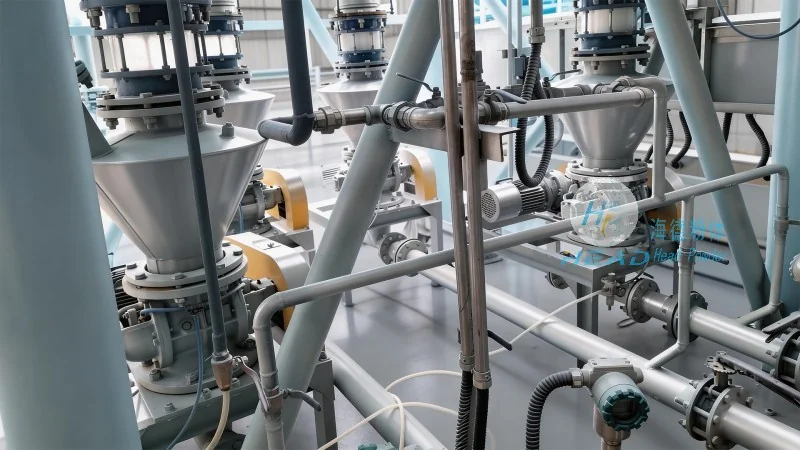
A typical foam pneumatic conveying system comprises several critical components, each playing a vital role in the overall operation. The primary components include the air compressor, foam generator, material hopper, conveying line, and material receiver. The air compressor provides the necessary pressure to drive the air and foam mixture through the system. The foam generator mixes air with a liquid (such as water or a specialized foam solution) to create a stable foam, which then enhances the conveying capacity of the system. The material hopper stores the bulk material to be transported, while the conveying line transports the material from the hopper to the receiver. The material receiver collects the conveyed material and allows for proper discharge. Each component is carefully selected and integrated to ensure seamless operation and minimal downtime.
Operational Mechanisms and Process Flow
The operational process of a foam pneumatic conveying system involves several steps that work in concert to transport materials efficiently. Initially, the bulk material is fed into the material hopper from a storage silo or other source. Simultaneously, the air compressor generates pressurized air, which is then directed to the foam generator. The foam generator mixes the pressurized air with a liquid to create a foam, which is then combined with the pressurized air stream. This foam-air mixture is then introduced into the conveying line, where it transports the material from the hopper to the receiver. The material is discharged from the receiver into a storage container or processing unit. The system continuously operates, maintaining consistent pressure and flow rates to ensure steady material transport. The design of the system, as implemented by Shandong HeadPowder Engineering Co., Ltd., ensures that each step is optimized for efficiency and reliability.
Applications and Industry Use Cases
Foam pneumatic conveying systems are employed in a wide range of industrial applications due to their versatility and effectiveness. These systems are commonly used in the chemical, pharmaceutical, food, and agricultural industries. In the chemical industry, they are used to transport powders and granules, such as plastics, pigments, and chemicals, ensuring safe and efficient handling. In the pharmaceutical industry, they are utilized for transporting active pharmaceutical ingredients (APIs) and other sensitive materials, maintaining strict contamination control. The food industry uses foam pneumatic conveying for transporting ingredients like flour, sugar, and spices, ensuring hygienic and efficient processing. In the agricultural sector, they are employed to transport grains, seeds, and other agricultural products, facilitating efficient storage and distribution. The adaptability of foam pneumatic conveying systems makes them suitable for various material types and industrial requirements.
Advantages and Benefits of Using Foam Pneumatic Conveying
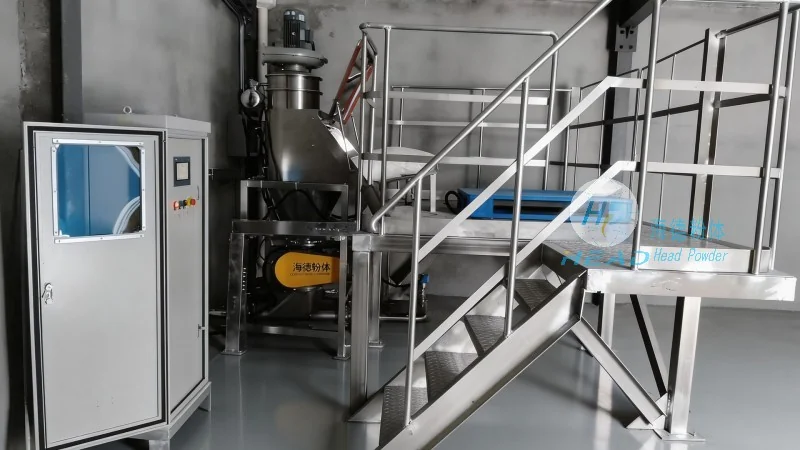
There are several advantages and benefits associated with the use of foam pneumatic conveying systems. One of the primary benefits is the enhanced conveying capacity achieved by the foam medium, which allows for the transport of larger volumes of material compared to traditional pneumatic conveying systems. This increased capacity reduces the number of conveying cycles and minimizes downtime, improving overall production efficiency. Another advantage is the improved material handling, as the foam reduces the friction between the material particles and the conveying line, preventing material degradation and ensuring consistent material quality. Additionally, foam pneumatic conveying systems offer better control over material flow, allowing for precise dosing and processing. The systems also provide a more hygienic and dust-free environment, which is crucial in industries such as food and pharmaceuticals. The cost-effectiveness of these systems, particularly in terms of energy efficiency and reduced maintenance, makes them an attractive option for many industrial applications. Shandong HeadPowder Engineering Co., Ltd. specializes in providing these benefits to clients through customized foam pneumatic conveying solutions.
In conclusion, foam pneumatic conveying systems represent a highly effective and versatile solution for material transport in various industrial sectors. The design principles, operational mechanisms, and applications of these systems are carefully engineered to meet the specific needs of different industries. The advantages, including enhanced capacity, improved material handling, and cost-effectiveness, make them a preferred choice for many material handling challenges. Shandong HeadPowder Engineering Co., Ltd. is a leading provider of foam pneumatic conveying systems, offering tailored solutions that optimize material transport processes and enhance overall industrial efficiency. With their expertise in engineering and design, they continue to contribute to the advancement of material handling technologies, ensuring reliable and efficient material transport for their clients.