

What is a Sorghum Pneumatic Conveying System? And What Are Its Design Principles?
Sorghum, a versatile cereal grain widely used in food, feed, and industrial applications, requires efficient handling and transportation from harvest to processing. Pneumatic conveying systems have emerged as a key technology for moving sorghum and other bulk materials with precision and minimal loss. This article explores the fundamental aspects of sorghum pneumatic conveying systems, focusing on their design principles and the critical role they play in modern grain processing operations.
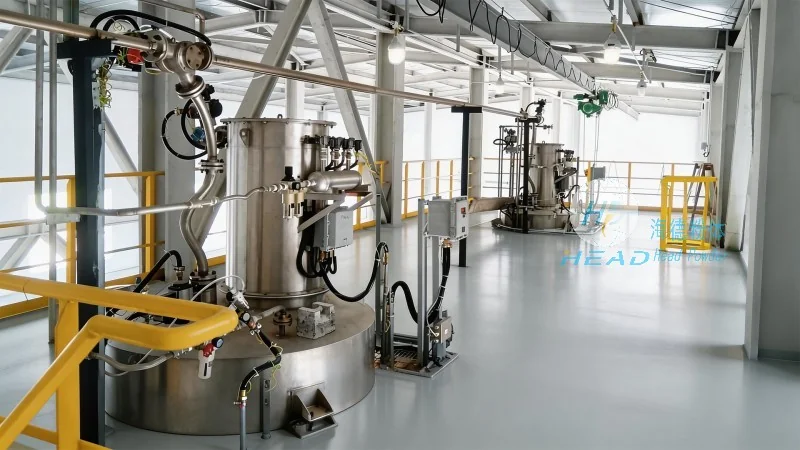
Understanding Pneumatic Conveying Technology
Pneumatic conveying uses compressed air or gas to transport bulk materials through a pipeline system. Unlike mechanical conveyors, which rely on moving parts like belts or screws, pneumatic systems utilize air pressure to propel material. This method offers several advantages, including reduced contamination risk, lower maintenance requirements, and the ability to handle a wide range of particle sizes and moisture contents. For sorghum, which can vary in size and density, a well-designed pneumatic system ensures consistent and reliable transport.
Key Design Principles for Sorghum Pneumatic Conveying
The design of a sorghum pneumatic conveying system involves several critical principles to ensure optimal performance. First, the system must be tailored to the specific characteristics of sorghum, such as its bulk density, flowability, and moisture content. HeadPowder, a leading manufacturer in the field, emphasizes the importance of matching the conveying velocity to the material's properties to prevent degradation or blockages. Second, the system's layout, including the number and placement of inlets, outlets, and bends, is crucial for maintaining air flow efficiency. Properly sized pipelines and airlocks help minimize pressure drops and energy consumption. Third, the selection of materials for the conveying components, such as the hopper and pipeline, is vital to prevent material buildup and corrosion, which are common issues in grain handling. HeadPowder's expertise in material selection ensures that their systems are durable and long-lasting.
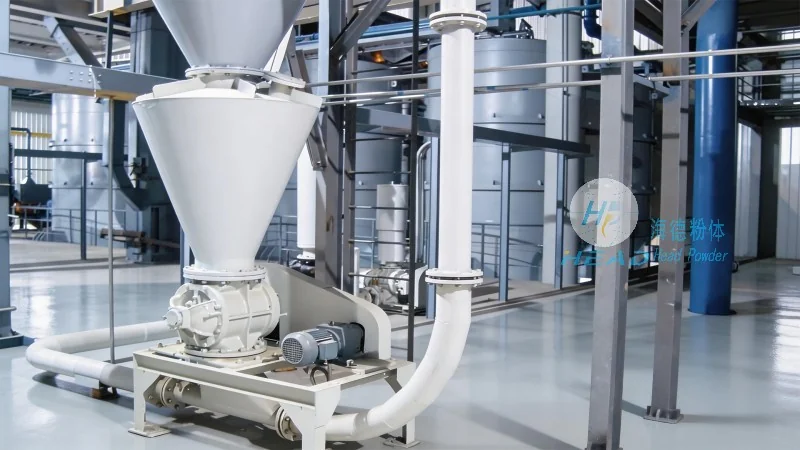
Components of a Sorghum Pneumatic Conveying System
A typical sorghum pneumatic conveying system consists of several key components. The primary elements include a hopper for material storage, a rotary valve or feeder to control the flow rate, a blower or compressor to generate the air pressure, and a pipeline network with appropriate inlets and outlets. The hopper is designed to maintain the material's flowability, often equipped with a cone or wedge to prevent bridging. The feeder regulates the amount of sorghum entering the system, ensuring a steady flow that matches the blower's capacity. The blower provides the necessary pressure to move the material through the pipeline, with options ranging from positive displacement blowers to centrifugal fans depending on the system's requirements. The pipeline network connects the feeder to the discharge point, with bends and elbows strategically placed to maintain air flow and prevent turbulence. Finally, the system may include airlocks or filters to separate the material from the air at the discharge end, ensuring clean and efficient operation.
Advantages of Using a Sorghum Pneumatic Conveying System
Implementing a pneumatic conveying system for sorghum processing offers numerous benefits. One of the most significant advantages is the reduction in labor costs, as automated systems minimize manual handling and reduce the risk of injury. Additionally, pneumatic systems improve product quality by minimizing contamination from dust or foreign particles, which is critical for food-grade sorghum. The enclosed pipeline design also helps maintain consistent moisture levels, preventing spoilage during transport. Energy efficiency is another key benefit, as modern systems are designed to optimize air usage and reduce power consumption. HeadPowder's systems are engineered to deliver these advantages, with features like variable speed blowers that adjust to the material flow, further enhancing energy savings.
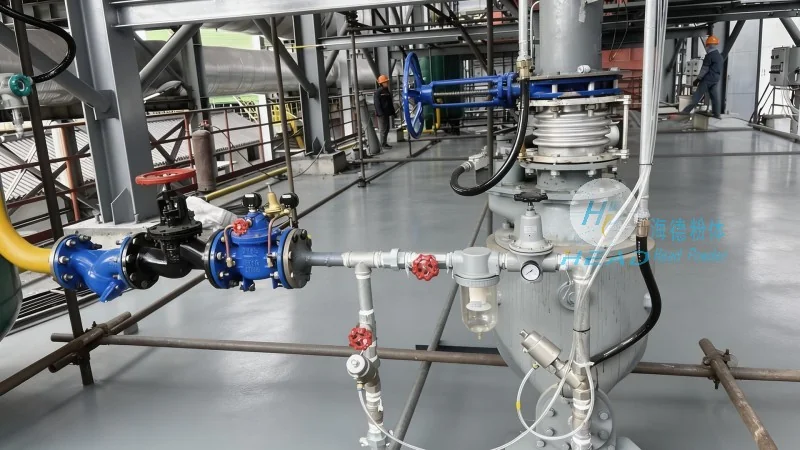
Customization and Application in Sorghum Processing
HeadPowder Engineering Co., Ltd., based in Shandong, China, specializes in designing and manufacturing customized pneumatic conveying systems for various applications, including sorghum processing. The company's approach involves working closely with clients to understand their specific needs, such as the scale of operation, material characteristics, and production goals. By leveraging their expertise in material handling and pneumatic technology, HeadPowder can develop systems that are tailored to the unique requirements of each project. For example, a small-scale farm might require a compact system with lower capacity, while a large-scale mill may need a high-capacity system with multiple pipelines. The company's team of engineers uses advanced software to simulate the system's performance, ensuring that the design meets all operational and safety standards before fabrication. This customized approach ensures that the final system is efficient, reliable, and cost-effective, providing long-term value to the client.
Conclusion and Contact Information
Sorghum pneumatic conveying systems are essential for modern grain processing, offering efficient, reliable, and cost-effective solutions for moving sorghum and other bulk materials. The design principles and components discussed in this article highlight the importance of a well-engineered system in maintaining product quality and operational efficiency. HeadPowder Engineering Co., Ltd., with its headquarters in Shandong, China, is a trusted partner in providing customized pneumatic conveying solutions. By combining advanced technology with expert engineering, HeadPowder ensures that their systems meet the highest standards of performance and durability. For more information on their sorghum pneumatic conveying systems, please contact HeadPowder directly.