

What is a Nanopowder Pneumatic Conveying System? What are its Design Principles?
For industrial operations dealing with fine powders, especially nanoparticles, the selection of an efficient and reliable material handling system is critical. A nanopowder pneumatic conveying system emerges as a sophisticated solution, designed to transport these delicate materials with precision and minimal degradation. This article explores the fundamental aspects of such systems, focusing on their design principles and the technology behind them.
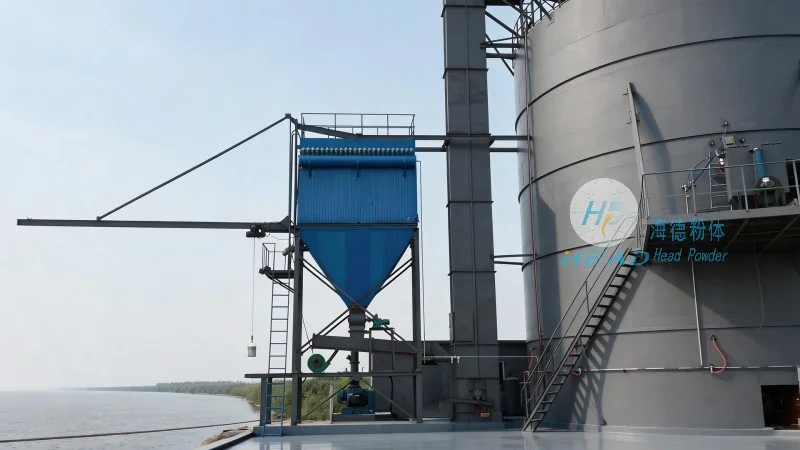
Understanding Nanopowder Pneumatic Conveying Systems
A nanopowder pneumatic conveying system is a specialized equipment setup that utilizes air or other gas streams to transport fine powders, including nanoparticles, from one location to another. Unlike traditional bulk material handling methods, this system operates by suspending the powder particles in a moving gas stream, allowing for a continuous and controlled transfer process. The primary goal is to ensure the safe and efficient movement of these materials, which are often sensitive to handling conditions such as moisture, temperature, and mechanical stress.
The Core Design Principles of Nanopowder Pneumatic Conveying
The design of a nanopowder pneumatic conveying system is governed by several key principles aimed at optimizing performance, minimizing particle degradation, and ensuring operational reliability. The first principle involves the selection of the appropriate gas type and flow rate. Typically, air is the most common gas used due to its availability and low cost, but in some applications, inert gases like nitrogen or helium may be employed to prevent oxidation or contamination of the nanoparticles. The flow rate must be carefully calibrated to maintain a stable suspension of the powder particles, avoiding issues like clogging or particle aggregation.
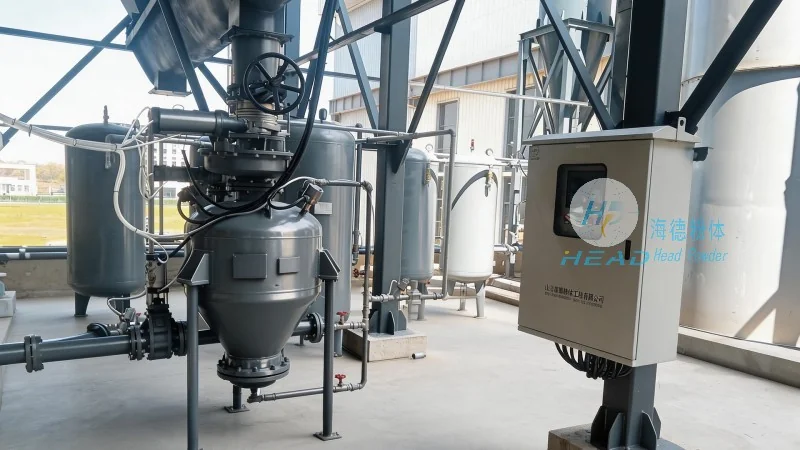
Another critical design principle is the configuration of the conveying line, which includes the choice between positive and negative pressure systems. Positive pressure systems use compressed air to push the material through the pipeline, while negative pressure systems use vacuum to draw the material. For nanopowders, positive pressure systems are often preferred as they provide better control over the flow and can handle more complex line configurations. The system typically consists of a feeding device, a conveying line, a separation unit, and a collection tank. The feeding device, such as a rotary valve or a venturi feeder, ensures a consistent and controlled release of the powder into the gas stream. The conveying line may include bends, expansions, and contractions to accommodate changes in direction and elevation. The separation unit, often a cyclone or a filter, separates the powder from the gas, while the collection tank stores the material for downstream processing.
Key Components and Their Functions
Each component of a nanopowder pneumatic conveying system plays a vital role in the overall performance. The feeding device is responsible for introducing the powder into the system without causing blockages or uneven flow. For nanopowders, which are prone to sticking and agglomeration, advanced feeding mechanisms like vibratory feeders or screw feeders are often used to maintain a uniform feed rate. The conveying line must be constructed from materials that are compatible with the powder and the gas, such as stainless steel or PTFE, to prevent corrosion or contamination. The line diameter and length are also critical factors, as they affect the pressure drop and the overall efficiency of the system. The separation unit is designed to efficiently separate the powder from the gas, ensuring that the material is collected without loss or contamination. This unit may include multiple stages, such as a primary cyclone followed by a secondary filter, to achieve high collection efficiency.
Advantages and Applications
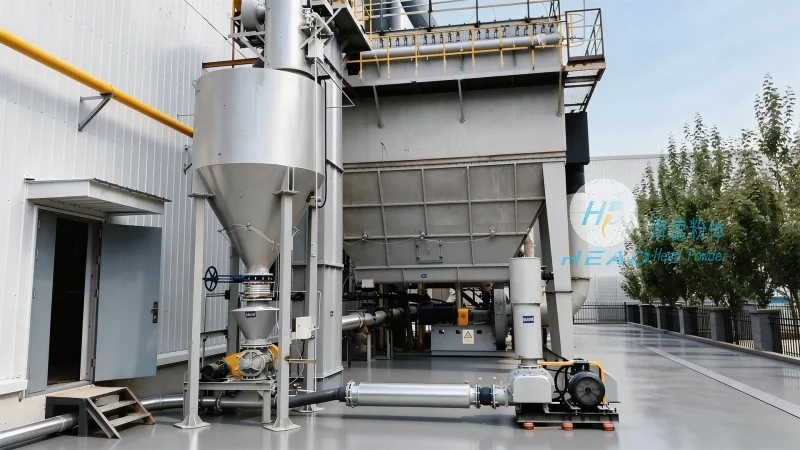
Nanopowder pneumatic conveying systems offer several advantages over traditional handling methods. They provide a dust-free and enclosed environment, which is essential for maintaining the purity of the nanoparticles and ensuring worker safety. The system is also highly flexible, allowing for changes in the conveying route without major modifications. Additionally, it can handle a wide range of powder properties, from low to high density, and can transport materials over long distances with minimal energy consumption. These systems are widely used in various industries, including pharmaceuticals, chemicals, food processing, and electronics. In the pharmaceutical industry, they are used to transport active pharmaceutical ingredients (APIs) and excipients, ensuring that the final product remains free from contamination. In the chemical industry, they are used to handle fine chemicals and catalysts, which are often sensitive to moisture and temperature. In the food industry, they are used to transport food powders, such as cocoa or sugar, while maintaining their quality and freshness.
About Shandong HeadPowder Engineering Co., Ltd.
Shandong HeadPowder Engineering Co., Ltd., a leading manufacturer in the field of nanopowder handling systems, specializes in providing customized solutions for various industrial applications. With a strong commitment to quality and innovation, the company has developed advanced pneumatic conveying systems that meet the stringent requirements of modern industries. HeadPowder's expertise lies in designing and manufacturing equipment that ensures the efficient and safe transport of fine powders, including nanoparticles. The company's products are known for their reliability, durability, and high performance, making them a preferred choice for businesses worldwide. HeadPowder is located in Shandong, China, and serves clients globally with a focus on delivering tailored solutions that address specific operational needs.