

What is a Styrene Pneumatic Conveying System? What Are Its Design Principles?
Styrene, a crucial chemical intermediate widely used in the production of polystyrene and other polymers, often requires efficient and reliable material handling solutions during its processing and transportation. Pneumatic conveying systems have emerged as a preferred method for handling styrene due to their ability to transport powders and granules in a closed, controlled environment, minimizing product contamination and ensuring safety. This article delves into the concept of a styrene pneumatic conveying system, exploring its fundamental design principles and the technical considerations that underpin its effective operation.
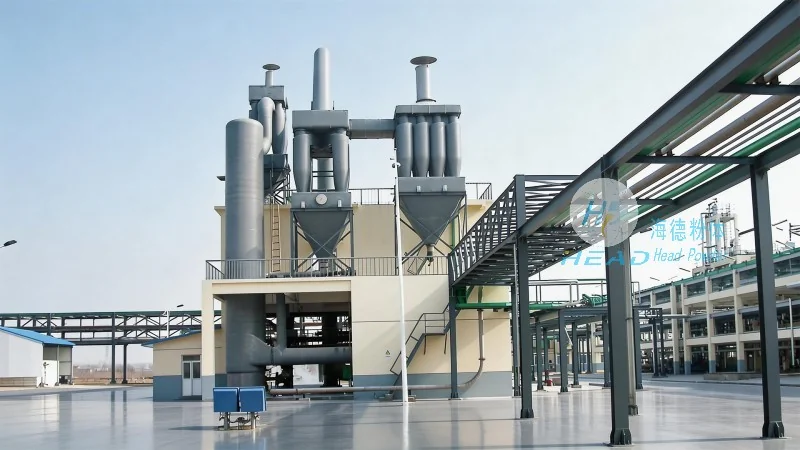
Understanding the Basics of Styrene Pneumatic Conveying
At its core, a styrene pneumatic conveying system is a mechanical system designed to transport styrene powder or granules through a pipeline using compressed air or other gas as the conveying medium. Unlike traditional mechanical conveyors, which rely on physical contact and friction to move materials, pneumatic systems utilize the kinetic energy of the gas to lift, transport, and deposit the material. This method is particularly advantageous for handling fine powders like styrene, which are prone to dust generation and require a dust-free environment.
Key Components of a Styrene Pneumatic Conveying System
The design of a styrene pneumatic conveying system typically involves several critical components, each playing a vital role in the overall operation. These components include:
1. Feeder: The feeder is responsible for feeding the styrene material into the conveying line at a controlled rate. For styrene, which can be a fine powder or granule, a rotary valve or a screw feeder is commonly used to ensure a consistent flow without causing blockages or excessive pressure buildup.
2. Conveying Line: The pipeline through which the styrene is transported. The material is suspended in the air stream and carried along the line. The diameter and length of the pipeline are carefully selected based on the material's properties, such as particle size, density, and flowability, to ensure efficient transport with minimal pressure drop.
3. Compressor and Air Treatment System: The compressor generates the high-pressure air or gas required to move the material. The air treatment system, which includes filters and dryers, ensures that the conveying medium is clean and dry, preventing contamination of the styrene and maintaining the efficiency of the system.
4. Receiver: The container where the conveyed styrene is deposited. The receiver is designed to handle the material's properties, such as its density and flow characteristics, to prevent clogging and ensure smooth discharge.
5. Control System: A sophisticated control system monitors and regulates the operation of the entire system, including the feeder speed, compressor pressure, and material flow rate. This ensures optimal performance and safety, preventing overloading or system failures.
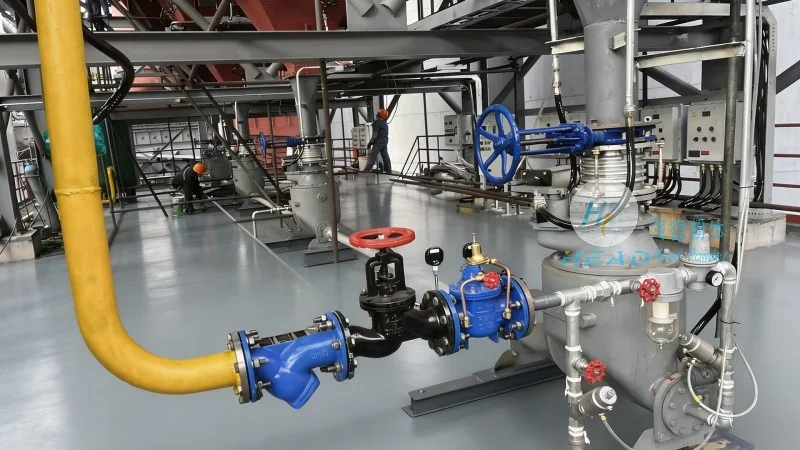
Design Principles for Effective Styrene Pneumatic Conveying
The design of a styrene pneumatic conveying system must adhere to several key principles to ensure reliable and efficient operation. These principles are tailored to the specific properties of styrene, such as its particle size, density, and flowability.
First, the air-to-material ratio is a critical design parameter. This ratio determines the amount of air required to transport a given quantity of styrene. An optimal ratio ensures that the material is fully suspended in the air stream, preventing deposition and ensuring smooth transport. For styrene, which is a fine powder, a higher air-to-material ratio may be required compared to bulkier materials.
Second, the pipeline design is crucial. The pipeline must be sized appropriately to minimize pressure drop while maintaining the required conveying velocity. The use of smooth, corrosion-resistant materials, such as stainless steel or special coatings, is essential to prevent material buildup and ensure long-term system performance.
Third, the system layout must be carefully planned. The feeder and receiver locations, as well as the pipeline routing, are designed to minimize the number of bends and changes in elevation, which can cause pressure losses and material deposition. The inclusion of expansion joints and flexible connectors helps to accommodate thermal expansion and reduce stress on the system components.
Fourth, the air treatment is vital for maintaining product quality and system efficiency. The air must be filtered to remove particulates and moisture, as these can affect the styrene's properties and cause corrosion or blockages in the system. The use of high-efficiency particulate air (HEPA) filters and desiccant dryers is common in styrene conveying systems.
Applications and Benefits of Styrene Pneumatic Conveying
Styrene pneumatic conveying systems are widely used in the chemical and polymer industries for the handling of styrene and its derivatives. The primary benefits of using such systems include:
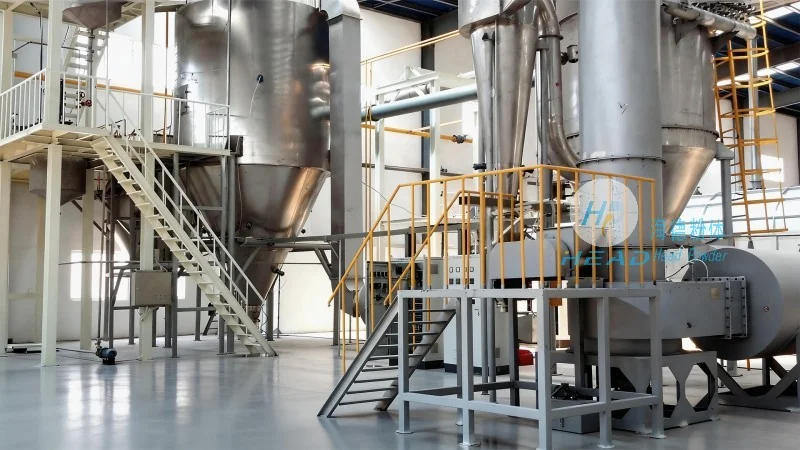
1. Minimal Product Contamination: The closed system prevents the styrene from coming into contact with the environment, reducing the risk of contamination from dust, moisture, or other particles.
2. Improved Safety: By eliminating the need for manual handling of powders, the system reduces the risk of dust explosions and improves workplace safety.
3. Efficient Material Handling: The system can transport styrene over long distances with minimal energy consumption, making it an economical choice for large-scale operations.
4. Flexibility: Pneumatic conveying systems can be easily integrated with existing production lines and can be adapted to handle different material types and flow rates.
About Shandong HeadPowder Engineering Co., Ltd.
Shandong HeadPowder Engineering Co., Ltd., a leading provider of material handling solutions, specializes in the design, manufacturing, and installation of pneumatic conveying systems for various industries, including chemicals and polymers. With a strong focus on innovation and customer satisfaction, the company has built a reputation for delivering high-quality, reliable systems that meet the specific needs of its clients.
HeadPowder's expertise in styrene pneumatic conveying systems is rooted in years of experience and a deep understanding of the material's properties. The company's team of engineers and technicians work closely with clients to develop customized solutions that optimize performance, reduce costs, and enhance safety. HeadPowder's commitment to quality and service has made it a trusted partner for businesses seeking efficient and effective material handling solutions.
Conclusion
In conclusion, a styrene pneumatic conveying system is a sophisticated and efficient method for handling styrene, a critical chemical intermediate. The design principles, components, and applications of such systems are tailored to the specific requirements of styrene, ensuring reliable and safe material transport. With the expertise of companies like Shandong HeadPowder Engineering Co., Ltd., businesses can leverage the benefits of pneumatic conveying to enhance their production processes and improve overall operational efficiency.