

What is Monocrystalline Silicon Material Handling Equipment? What are the Design Principles?
Monocrystalline silicon material handling equipment is a critical component in the semiconductor and solar energy manufacturing sectors, primarily responsible for the precise transportation and handling of silicon wafers and related materials. As a foundational element in the production of high-efficiency solar cells and advanced electronic devices, understanding the design principles and operational mechanics of such equipment is essential for optimizing manufacturing efficiency, maintaining product quality, and ensuring operational reliability. This article provides a comprehensive overview of monocrystalline silicon material handling equipment, focusing on its design principles and the role of companies like Shandong HeadPowder Engineering Co., Ltd. in developing and supplying these advanced systems.
Key Design Components and Operational Considerations
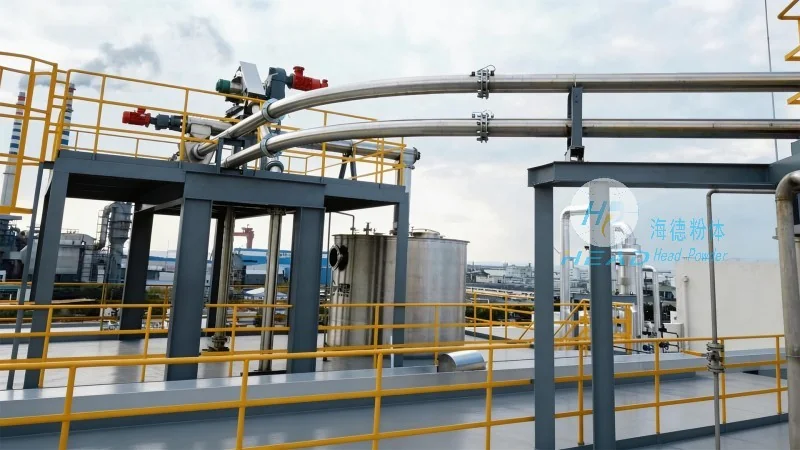
The design of monocrystalline silicon material handling equipment integrates several specialized components and operational considerations to meet the stringent requirements of silicon wafer handling. A primary component is the conveyor system, engineered with precision linear guides, motorized rollers, and vibration-damping mechanisms to transport wafers with minimal movement and contamination. The conveyor’s speed and alignment are precisely controlled to prevent wafer damage, scratches, or misplacement during transit. Additionally, the equipment incorporates advanced environmental control systems that regulate temperature, humidity, and air quality to protect the sensitive silicon surfaces from degradation. The design also emphasizes ergonomic and user-friendly interfaces, enabling operators to manage the equipment efficiently while adhering to strict quality standards and safety protocols.
Advanced Handling Techniques and Process Integration
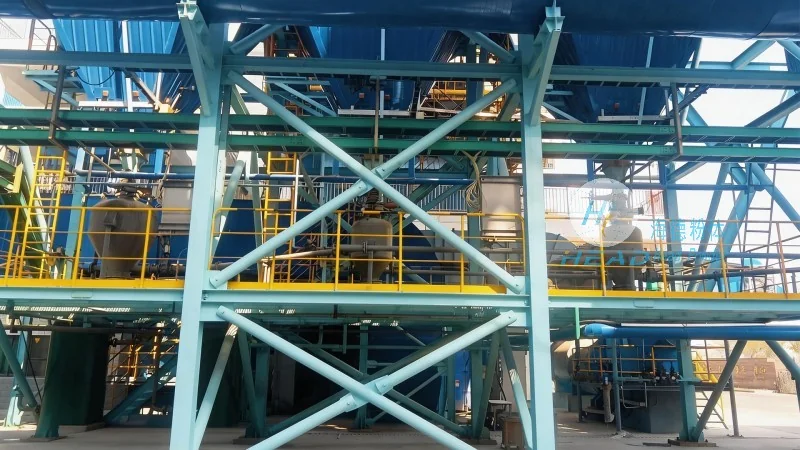
Monocrystalline silicon material handling equipment employs sophisticated techniques to handle silicon wafers, including automated loading/unloading systems, robotic arms, and precision positioning mechanisms. These systems are seamlessly integrated into the overall manufacturing process to streamline operations and reduce human intervention. For example, automated loading stations can efficiently transfer wafers from storage to processing equipment, while robotic arms perform tasks such as wafer inspection, placement, and quality checks with high accuracy and repeatability. The design principles prioritize versatility, allowing the equipment to handle various wafer sizes, shapes, and thicknesses, thereby supporting diverse production needs. Furthermore, the equipment is engineered with non-abrasive materials and gentle handling methods to preserve the integrity of silicon wafers, minimizing the risk of defects that could compromise the final product.
Quality Assurance and Maintenance Protocols
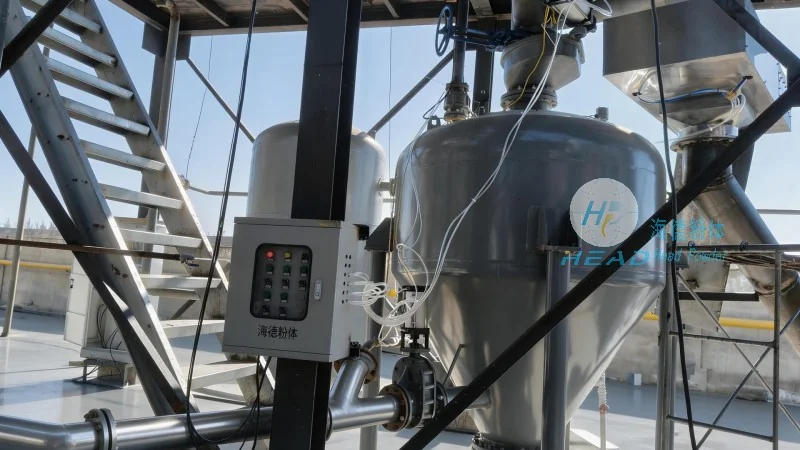
Ensuring the reliability and longevity of monocrystalline silicon material handling equipment requires robust quality assurance and maintenance protocols. The design incorporates features such as regular maintenance schedules, diagnostic tools, and self-checking systems to proactively identify and address potential issues before they impact production. Companies like Shandong HeadPowder Engineering Co., Ltd. adhere to stringent quality standards, conducting thorough testing and validation of their equipment to meet industry benchmarks. The maintenance of these systems is critical, as any downtime can result in significant production losses. Therefore, the design emphasizes ease of maintenance, with accessible components, clear operational guidelines, and modular designs that facilitate quick repairs and upgrades. By prioritizing quality assurance and maintenance, the equipment ensures consistent performance and contributes to the overall efficiency of the manufacturing process.
Applications and Industry Impact
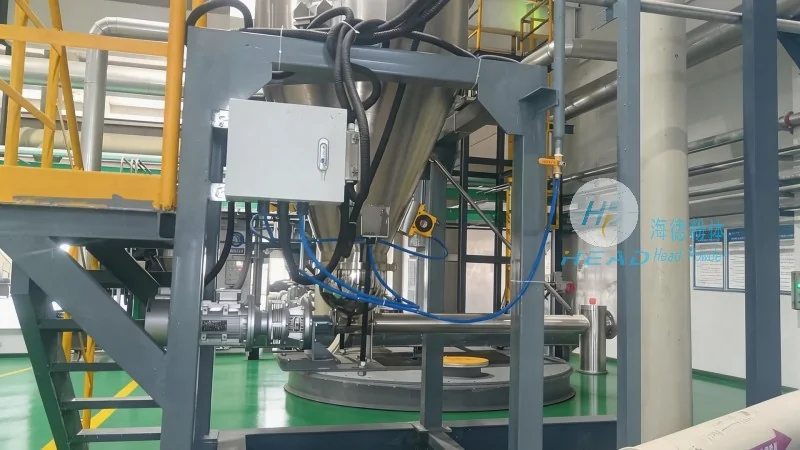
Monocrystalline silicon material handling equipment is widely utilized in the semiconductor and solar energy industries, where the efficient handling of silicon wafers is essential for high-volume production. The equipment supports various applications, including wafer fabrication, testing, packaging, and integration into solar panels or electronic devices. The design principles and advanced features of these systems enhance productivity, reduce operational costs, and improve product consistency, making them indispensable in modern manufacturing. As the demand for high-quality silicon wafers continues to grow, the importance of reliable material handling equipment becomes increasingly significant. Companies like Shandong HeadPowder Engineering Co., Ltd. play a vital role in meeting this demand by developing innovative solutions that address the evolving needs of the industry, ensuring sustainable and efficient production processes.