

What Are Rice Husk Material Handling Equipment? And What Are Their Design Principles?
When it comes to processing agricultural byproducts like rice husks, efficient material handling is crucial for optimizing production lines and ensuring consistent quality. At Shandong HeadPowder Engineering Co., Ltd., we specialize in designing and manufacturing equipment tailored to the unique challenges of handling rice husk materials. This article explores the key aspects of rice husk material handling equipment, focusing on their design principles and how they contribute to effective material management in industrial settings.
Understanding Rice Husk Material Handling Equipment
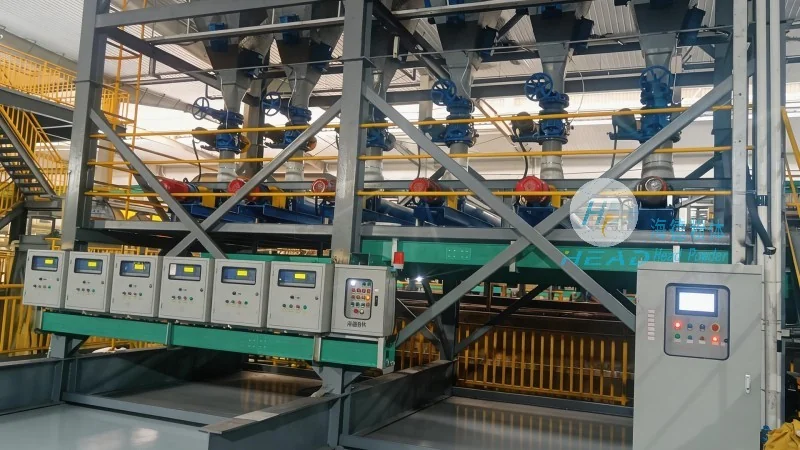
Rice husk material handling equipment refers to a range of machinery and systems designed to transport, store, and process rice husks from the point of collection to the final processing stage. These systems are essential in rice milling operations, as rice husks are a byproduct that requires proper handling to prevent contamination and ensure safe processing. The equipment typically includes components such as conveyors, elevators, and storage silos, all engineered to handle the specific physical properties of rice husks, including their lightweight, abrasive nature, and tendency to generate dust.
The Design Principles Behind Rice Husk Handling Systems
The design of rice husk material handling equipment is guided by several key principles aimed at maximizing efficiency, durability, and safety. One of the primary principles is the need for gentle handling to preserve the integrity of the material. Rice husks are delicate and can break down easily if subjected to excessive force or impact, which is why many handling systems incorporate soft-start mechanisms and low-friction components. Additionally, the equipment must be designed to minimize dust generation, as rice husks are a fine, powdery material that can cause respiratory issues and equipment wear if not properly contained.
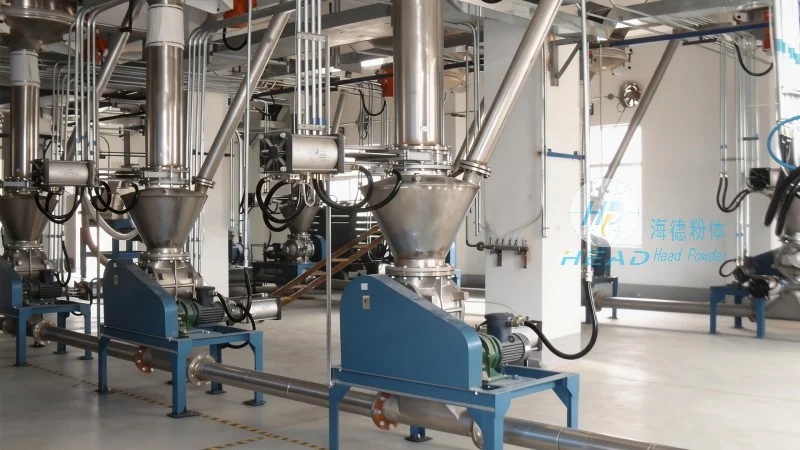
Another critical design principle is the consideration of material flow and storage. Efficient handling systems often include integrated storage solutions, such as silos or bunkers, that allow for bulk storage of rice husks before further processing. These storage units are typically equipped with aeration systems to prevent moisture buildup, which can lead to spoilage or mold growth. The design also emphasizes the use of durable materials, such as stainless steel or corrosion-resistant alloys, to withstand the abrasive and acidic properties of rice husks, which can cause wear and tear on conventional equipment.
Key Components of Rice Husk Material Handling Equipment
At the core of rice husk material handling systems are several key components that work in tandem to ensure smooth operation. The most common component is the conveyor system, which can be either belt or screw type, depending on the specific application. Belt conveyors are often preferred for their ability to handle large volumes of material and their low maintenance requirements, while screw conveyors are better suited for vertical lifting or when space is limited. Both types are designed with special coatings or liners to prevent the abrasive rice husks from damaging the conveyor surface.
Elevators are another essential component, particularly for vertical transport of rice husks from lower to higher levels of the processing facility. These elevators use a series of buckets or buckets attached to a rotating shaft to lift the material, minimizing the risk of material spillage and ensuring a consistent flow rate. The design of elevators often includes a dust collection system to capture any airborne particles and prevent contamination of the surrounding environment.
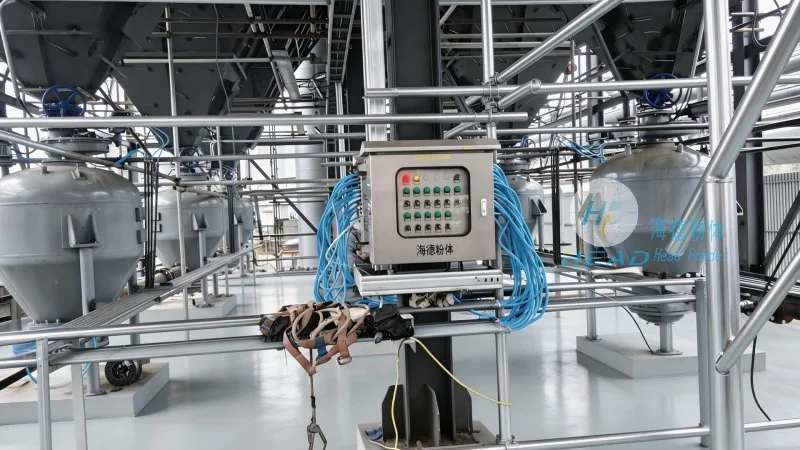
Storage silos and bunkers are also integral to the system, providing a secure and organized storage solution for rice husks. These structures are typically made of reinforced concrete or metal and are equipped with aeration vents and level sensors to monitor the material level and prevent overfilling. The design of these storage units is critical to maintaining the quality of the rice husks, as improper storage can lead to moisture absorption and degradation of the material.
Benefits of Using Specialized Rice Husk Handling Equipment
Investing in specialized rice husk material handling equipment offers several benefits for industrial operations. First and foremost, it improves operational efficiency by streamlining the material flow from collection to processing. By eliminating bottlenecks and reducing downtime due to material handling issues, companies can increase their overall production capacity. Additionally, specialized equipment minimizes the risk of material contamination, ensuring that the final product meets quality standards and regulatory requirements.
Another significant benefit is the reduction in labor costs and safety hazards. Manual handling of rice husks can be dangerous due to the dust and potential for slips or falls, but automated systems reduce the need for manual labor and minimize exposure to hazardous materials. This not only improves workplace safety but also reduces the risk of workplace accidents and associated costs.
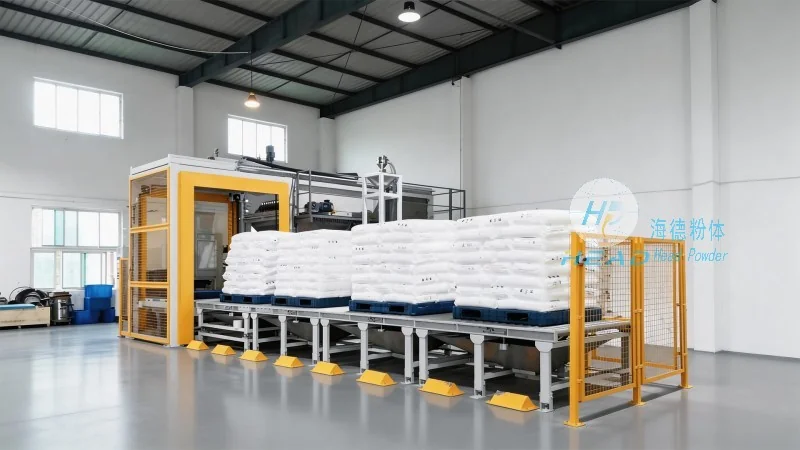
Furthermore, the use of specialized equipment can extend the lifespan of other processing machinery by preventing the abrasive rice husks from causing excessive wear and tear. By handling the material gently and efficiently, the equipment is less likely to require frequent repairs or replacements, leading to long-term cost savings for the company.
Conclusion
In conclusion, rice husk material handling equipment plays a vital role in the efficient processing of agricultural byproducts. The design principles behind these systems focus on gentle handling, dust control, and efficient material flow, all of which contribute to improved operational efficiency and product quality. At Shandong HeadPowder Engineering Co., Ltd., we are committed to providing high-quality, customized equipment solutions that meet the specific needs of our clients. By leveraging our expertise in material handling technology, we help our customers optimize their production lines and achieve their business goals.