

Introduction to Plaster Powder Pneumatic Conveying Lines: Structure and Working Principles
Plaster powder pneumatic conveying lines are advanced industrial systems designed to efficiently transport bulk materials like plaster powder from one location to another. These systems utilize air pressure or vacuum to move powders through pipelines, offering a flexible and effective solution for material handling in various industries. The core of such systems lies in their ability to handle fine powders with minimal dust generation and high transfer efficiency.
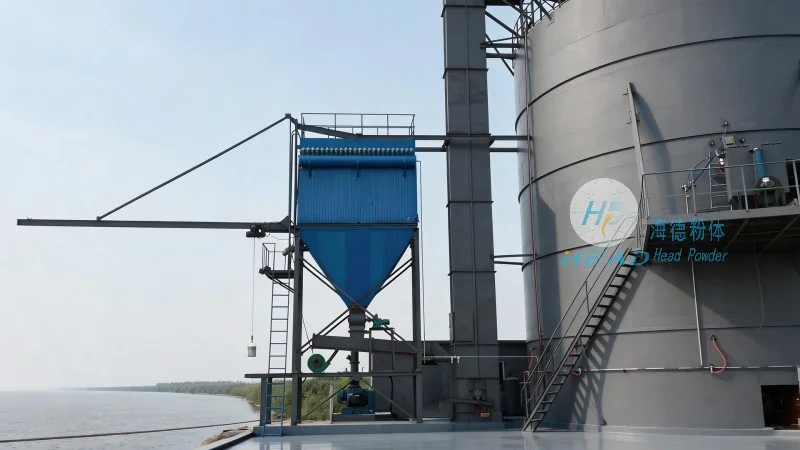
Key Components and Structure of the System
The typical structure of a plaster powder pneumatic conveying line includes several essential components. At the heart of the system is the conveying pipeline, which serves as the main pathway for material transport. This pipeline is often made of durable materials like stainless steel or high-density polyethylene to withstand the abrasive nature of plaster powder and ensure long-term reliability. The system also features a feeding unit, which is responsible for introducing the plaster powder into the pipeline. This unit may include a hopper or a rotary valve to control the flow rate and prevent material blockages. Additionally, a blower or vacuum pump provides the necessary air pressure or vacuum to move the powder through the pipeline. The blower is typically located at the inlet or outlet of the system, depending on the conveying direction. A filter system is also integrated to capture any fine particles that may escape the pipeline, ensuring compliance with environmental regulations and maintaining air quality. Finally, the system includes a discharge unit, which delivers the plaster powder to the target location, such as a storage silo or a processing plant.
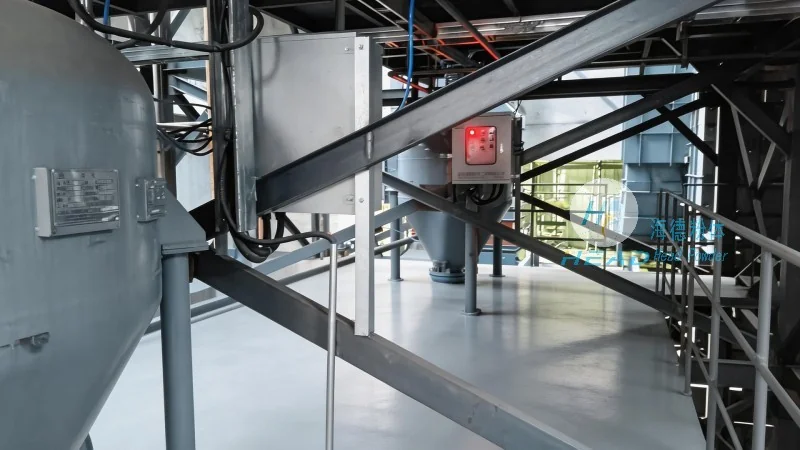
Working Principle of the Pneumatic Conveying Process
The working principle of a plaster powder pneumatic conveying line is based on the movement of air and powder particles. In a positive pressure system, a blower generates high-pressure air that is introduced into the pipeline at the feeding point. The air flows through the pipeline, carrying the plaster powder particles along with it. The powder particles are suspended in the air stream, and the velocity of the air ensures that the particles do not settle or clog the pipeline. The system then transports the powder to the discharge point, where the air is released or filtered before being exhausted. In a negative pressure system, a vacuum pump creates a low-pressure environment at the discharge end, drawing the powder into the pipeline from the feeding point. The air then carries the powder to the discharge location, where the air is filtered and the powder is collected. Both systems rely on the principle of fluidization, where the air flow creates a fluid-like environment for the powder particles, allowing them to move smoothly through the pipeline.
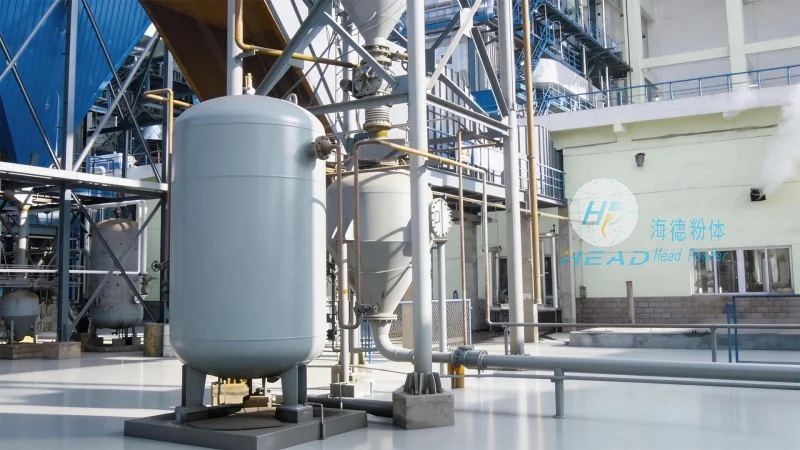
Advantages of Plaster Powder Pneumatic Conveying Lines
Plaster powder pneumatic conveying lines offer several advantages over traditional material handling methods. First, they provide a dust-free and clean transfer process, which is crucial for maintaining a safe and healthy working environment in industrial settings. The enclosed pipeline system prevents the release of fine powder particles into the air, reducing the risk of respiratory issues and contamination. Second, these systems offer high transfer efficiency, with minimal material loss and low energy consumption. The use of air as the conveying medium allows for precise control over the flow rate and direction of the powder, ensuring that the entire batch is transferred without any residue. Third, the flexibility of pneumatic conveying allows for easy integration with existing production lines and facilities. The system can be customized to fit specific space constraints and operational requirements, making it suitable for various applications, from small-scale operations to large industrial plants. Additionally, the system is relatively low-maintenance, with fewer moving parts compared to mechanical conveyors, reducing downtime and maintenance costs.
Application Scenarios and Industry Use Cases
Plaster powder pneumatic conveying lines are widely used in the construction and building materials industry, where plaster powder is a key component in wall and ceiling finishing. The systems are also applicable in the chemical and pharmaceutical industries, where fine powders need to be transported with precision and minimal contamination. In the food industry, similar pneumatic conveying systems are used to transport dry ingredients like flour and sugar, though with additional safety measures to prevent cross-contamination. The versatility of these systems makes them suitable for a wide range of applications, from small-scale batch processing to large-scale continuous production. The ability to handle fine powders with high efficiency and low dust generation makes them an ideal choice for industries where material quality and environmental compliance are critical.
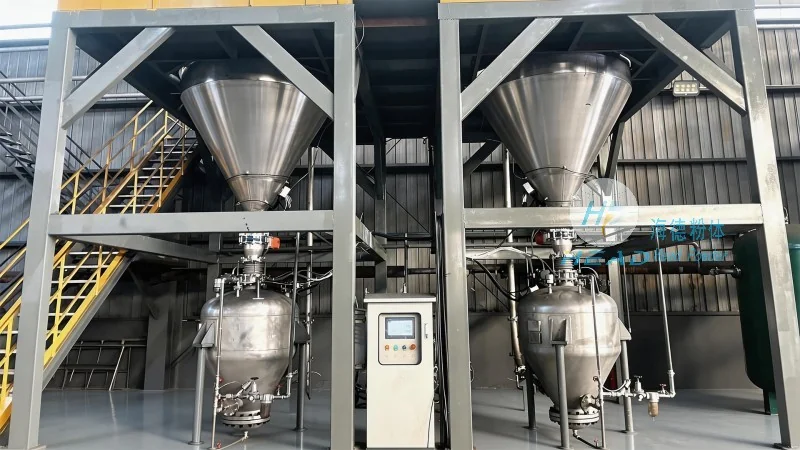
Company Profile: Shandong HeadPowder Engineering Co., Ltd.
Shandong HeadPowder Engineering Co., Ltd., commonly known as headpowder, is a leading manufacturer and supplier of industrial material handling systems, including plaster powder pneumatic conveying lines. With its headquarters located in Shandong, China, the company has established itself as a trusted partner for businesses seeking reliable and efficient solutions for bulk material transport. Headpowder specializes in designing and manufacturing customized pneumatic conveying systems tailored to the specific needs of its clients. The company's products are known for their durability, efficiency, and compliance with international standards, ensuring that they meet the highest quality and safety requirements. Headpowder's commitment to innovation and customer satisfaction has made it a preferred choice for industries worldwide, providing them with the tools they need to optimize their material handling processes and improve overall operational efficiency.