

Introduction to the Structure and Working Principle of the Nickel Sulfate Crystallization Pneumatic
HeadPowder, a leading engineering firm based in Shandong, China, specializes in the design and manufacturing of advanced material handling systems. This article provides an overview of the Nickel Sulfate Crystallization Pneumatic Conveying Line, highlighting its structural design and operational principles.
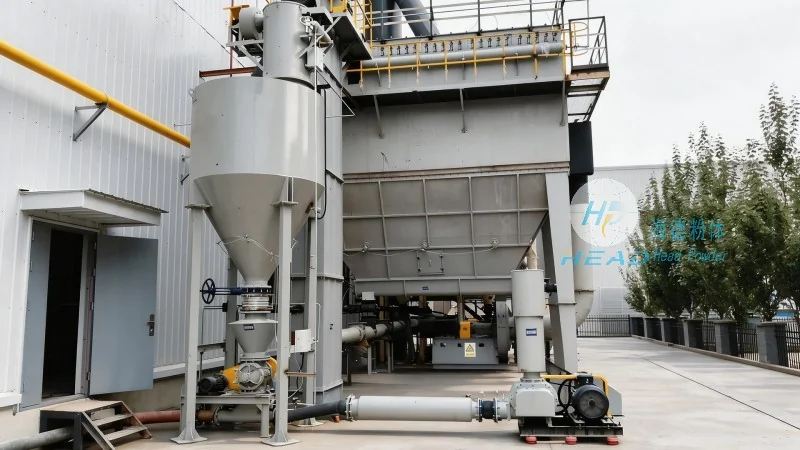
Overview of the Nickel Sulfate Crystallization Pneumatic Conveying Line
The Nickel Sulfate Crystallization Pneumatic Conveying Line is a sophisticated system engineered to efficiently transport crystallized nickel sulfate from processing units to storage or further processing facilities. As a key component in the nickel sulfate production process, this line ensures seamless material transfer while maintaining product integrity and operational efficiency.
Key Structural Components and Their Functions
The system comprises several critical components, each playing a vital role in the overall operation. These include the crystallizer, where nickel sulfate is formed, the pneumatic conveying pipeline, which transports the material, and the control system that manages the entire process. The crystallizer is designed to optimize crystallization conditions, ensuring high-quality nickel sulfate crystals are produced. The conveying pipeline, typically made of corrosion-resistant materials like stainless steel, is equipped with specialized valves and regulators to control air flow and material movement. The control system integrates sensors and automation technologies to monitor and adjust parameters in real-time, enhancing process stability and reliability.
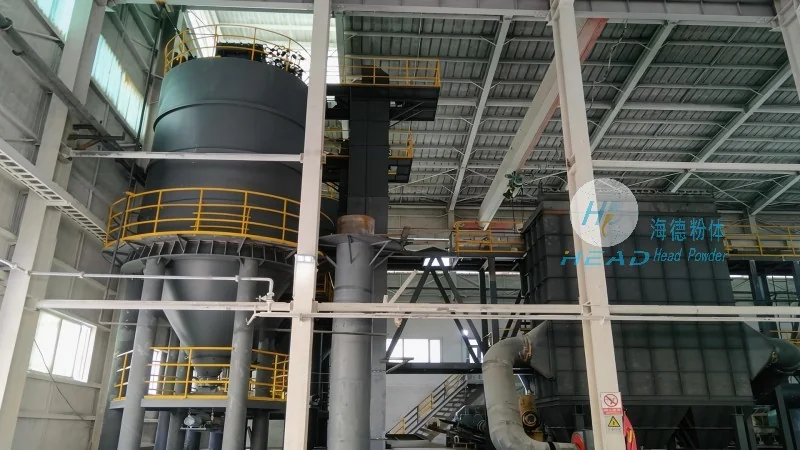
Working Principle of the Pneumatic Conveying Process
The pneumatic conveying mechanism operates on the principle of using compressed air to move material particles through a pipeline. In the Nickel Sulfate Crystallization Pneumatic Conveying Line, the process begins with the discharge of crystallized nickel sulfate from the crystallizer into a hopper. From there, the material is fed into the conveying pipeline via a rotary valve or feeder. Compressed air, introduced at the inlet of the pipeline, creates a flow that propels the material particles forward. The air velocity is carefully controlled to ensure the material is conveyed without excessive pressure drop or particle degradation. The system may also incorporate features like cyclone separators or filters to separate air from the material at the receiving end, allowing for clean material discharge and air recycling.
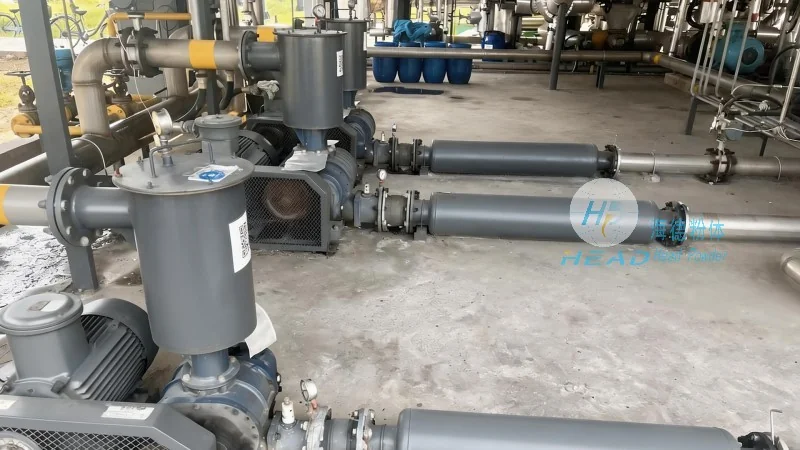
Advantages of the Pneumatic Conveying Line for Nickel Sulfate Handling
Compared to traditional mechanical conveying methods, the pneumatic conveying line offers several advantages for handling nickel sulfate crystals. These include reduced risk of product contamination due to enclosed systems, lower maintenance requirements as there are fewer moving parts in contact with the material, and improved process flexibility. The system can handle varying material flow rates and can be easily integrated with other production equipment, making it a versatile solution for industrial applications. Additionally, the use of stainless steel and other corrosion-resistant materials ensures long-term durability and compliance with industry standards for material handling.
Company Information and Contact Details
HeadPowder Engineering, based in Shandong, China, is dedicated to providing high-quality engineering solutions for material handling and processing. With years of experience in the industry, the company has developed expertise in designing and manufacturing systems tailored to the specific needs of clients. For inquiries or further information about the Nickel Sulfate Crystallization Pneumatic Conveying Line and other engineering solutions, please contact HeadPowder Engineering at their Shandong headquarters.